Moje Montessori

The blog · birth to age 3

The Montessori blog for babies & toddlers

Every article, newest first: what to offer from birth to three, which toys are worth the money, and how to set up your home with less.

Written by Miri, a self-taught Montessori mom · 45 articles

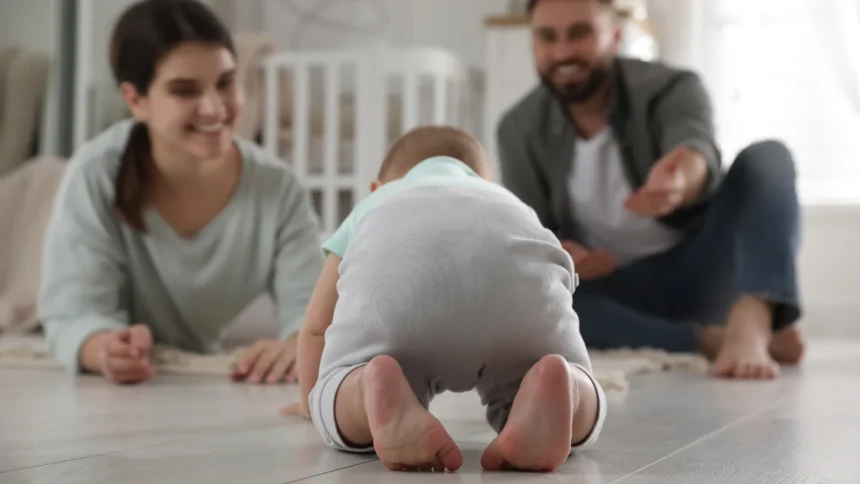
Two smiling parents on a bright wood floor watch a baby crawl toward them: a Montessori observation journal starts with watching

Montessori Observation Journal: How to Watch Your Baby for 10 Minutes and Choose What’s Next

Montessori observation journal is a few quiet minutes of watching your baby play, then a few lines about what they did, what they repeated and what they walked away from. Those notes tell you when to leave a toy alone and when to offer the next one. Below: how to watch, what to write, and what to try next.
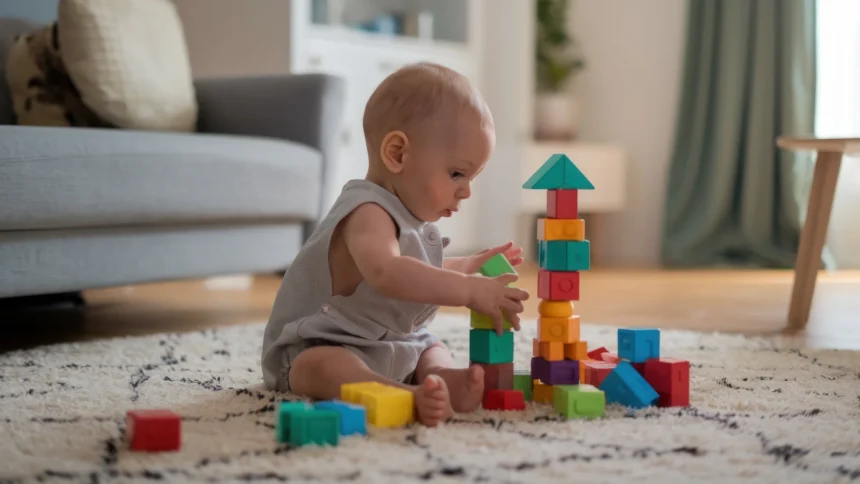
A baby on a patterned rug stacks colorful wooden blocks into a tower: open-ended toys for toddlers

What Are Open-Ended Toys? Open vs. Close-Ended, and Why Montessori Uses Both

Open-ended toys are toys your child decides how to use, so a wooden block can be a phone, a wall or a bridge. Close-ended toys have one goal and a clear finish, like a knob puzzle. A Montessori shelf uses both. Below: how they differ, what each one is good for, and a simple mix by age.

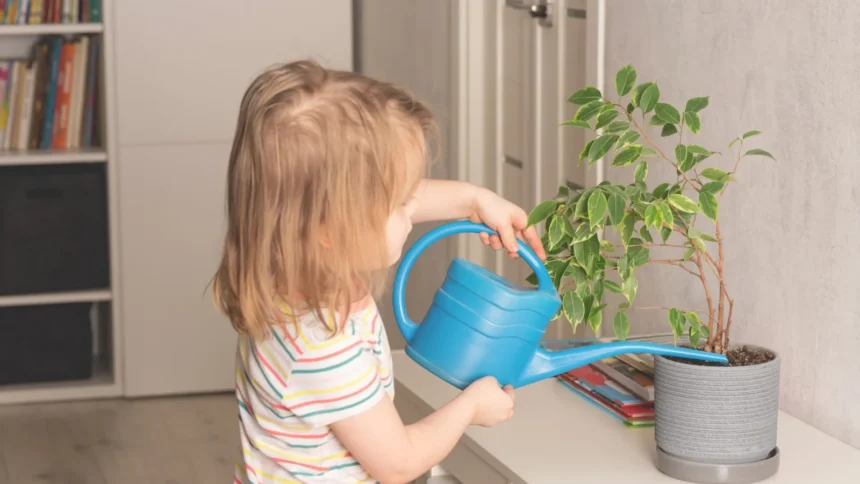
A toddler waters a houseplant with a small watering can at home, an everyday look at Montessori terms in action

Montessori Terms A–Z: A Plain-English Glossary for Parents

Montessori terms are mostly names for two things: what your baby or toddler already does on their own, and what the grown-ups set up around them. This glossary walks through the ones you’ll keep running into, from absorbent mind to normalization, each with a plain definition and a note on what it looks like at home.

A pregnant woman lies on a sofa reading a book in daylight: Montessori books for parents

Montessori Books for Parents: The Ones I Actually Read, and the One I Put Down

Montessori books for parents help most when you can use the ideas the same week, so one practical book will serve you better than a stack of theory. The one I reread most is The Montessori Toddler by Simone Davies. Below: what I read while pregnant and with a toddler, the one I put down, and who each book fits.

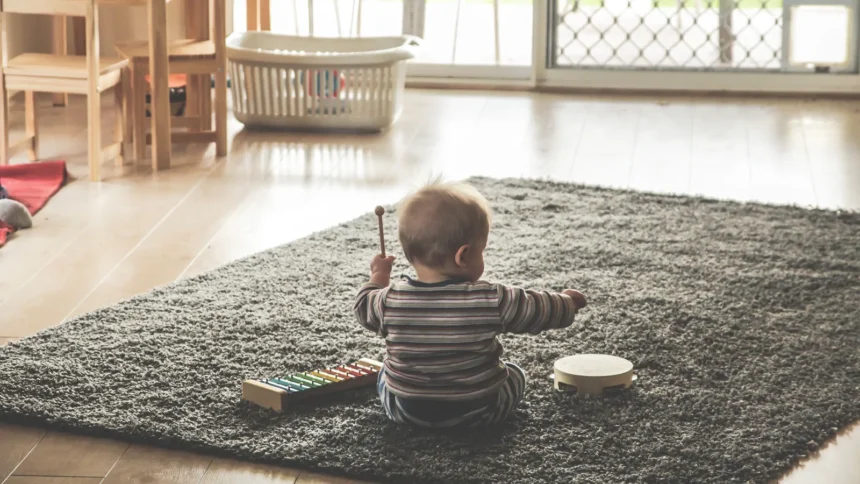
A baby in a striped top plays with a toy xylophone and a tambourine on a living room rug: Montessori on a budget

Montessori on a Budget: A First-Year Spending Plan at Three Price Levels

Montessori on a budget works because the method was never about owning the right stuff. You don’t need a Montessori shelf or play kitchen. Spend first on safety, like anchoring furniture and checking recalls on hand-me-downs, then on a few things your baby will use for years. Below: a three-level plan and our real first-year numbers.

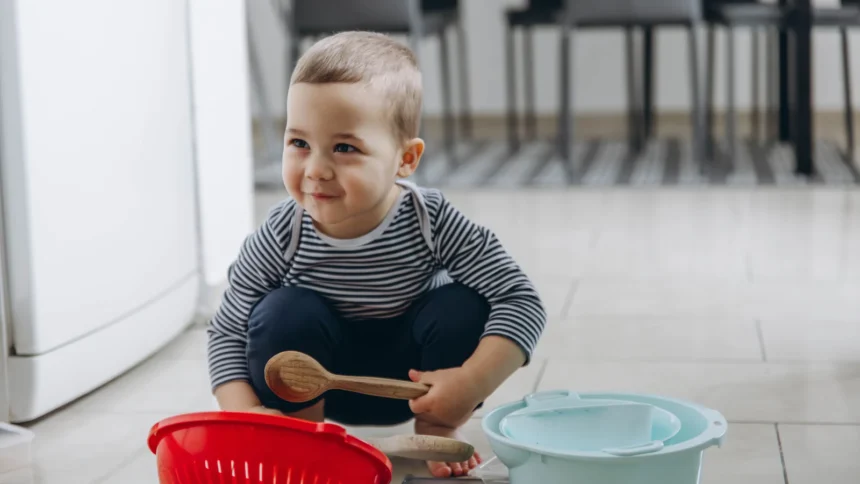
A toddler squats on a kitchen floor with a wooden spoon beside a red colander and a pale blue bowl for free montessori activities.

Free Montessori Activities: Montessori at Home Without Buying a Single Toy

Free Montessori activities start with what’s already in your house: kitchen baskets, wooden spoons, a dish towel, and real jobs like wiping the table. You don’t need to buy anything to begin. Below: printable tables by age, what I used instead of classic Montessori materials, and a quick small-parts check before anything goes within reach.

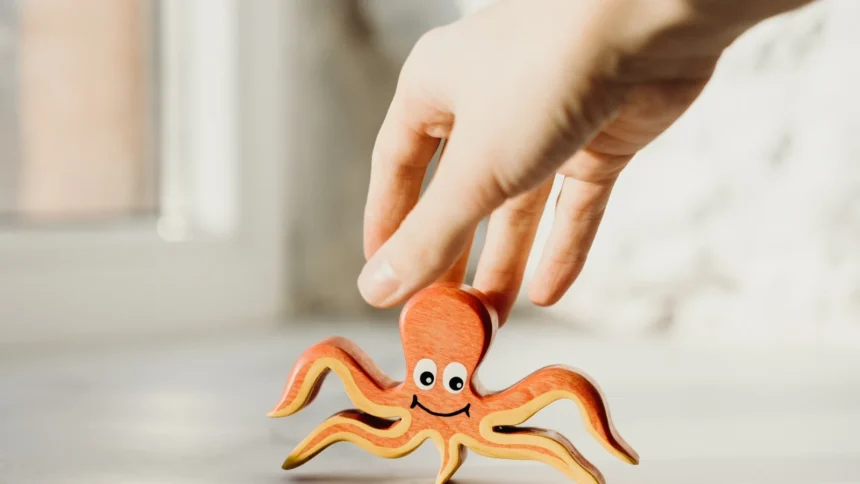
A hand lifts a small painted wooden octopus toy from a sunlit table, checking what makes a toy Montessori

What Makes a Toy Montessori? A 6-Point Checklist for Gift-Givers

What makes a toy Montessori is how well it fits the way a young child plays and grows, not the word on the box. Montessori is a philosophy, not a brand or a safety rating. Below is a 6-point checklist you can run on any product page, plus the safety labels that actually matter.

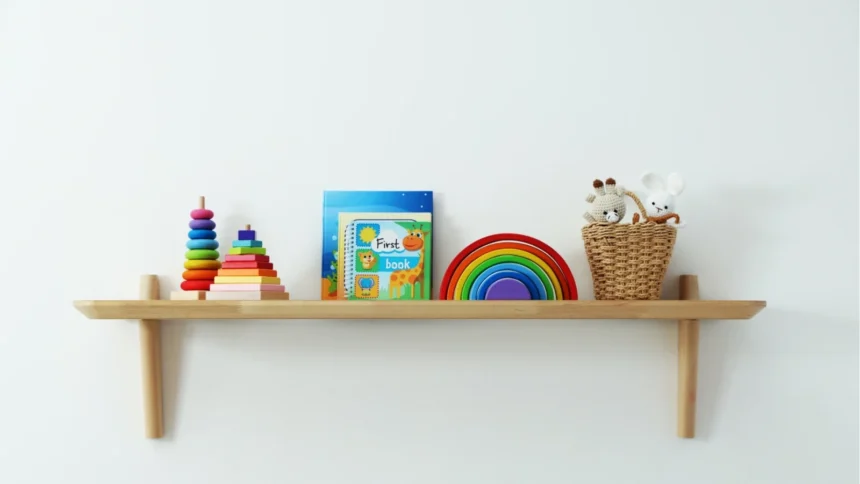
Montessori vs Waldorf toys on one simple shelf: ring stackers, a wooden rainbow, a board book and a basket of soft toys

Montessori vs. Waldorf for Babies and Toddlers: Toys, Space, Rhythm, and Your Role

Montessori vs Waldorf: both keep toys simple, both lean on adults who model real work, and both protect long stretches of play. They part ways on reality and imagination: Montessori puts real, purposeful tasks first, while Waldorf leans on imitation and make-believe. With a baby or toddler at home, you can borrow from both. The table below shows how.

Pregnant parent on a sofa reading a book by Maria Montessori, a low shelf of wooden toys behind

Maria Montessori: The Doctor Behind the Method, and the Ideas We Still Use at Home

Maria Montessori (1870–1952) was an Italian physician, one of the first female doctors in Italy, who opened her first Children’s House in Rome in 1907. Below: a clear timeline of her life, the words she actually wrote, and which of her ideas you can still use at home with a baby or toddler.

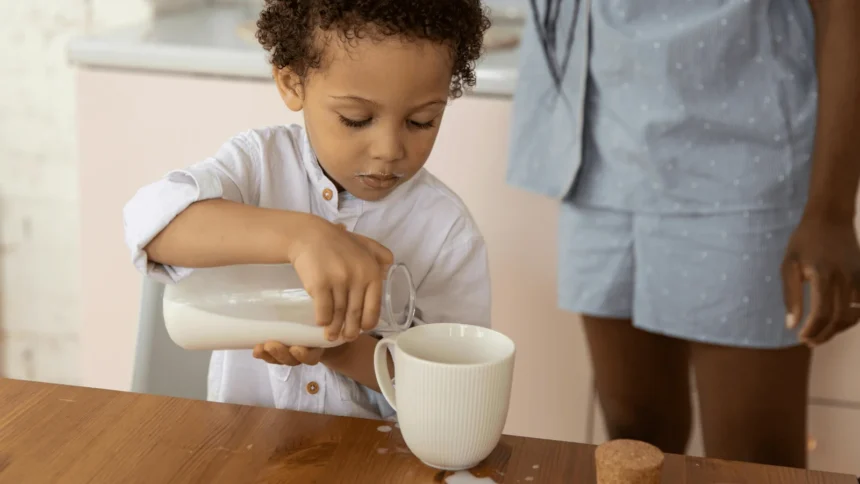
The pros and cons of Montessori in one moment: a toddler pours milk from a jug into a mug, spilling a little, while a parent stands close by

The Pros and Cons of Montessori at Home: An Honest Look From a Self-Taught Mom

The pros and cons of Montessori at home come down to this: it’s cheap, flexible and easy to start small, but it takes real patience, and the research mostly covers schools, not homes. It suits families who like borrowing ideas, and it’s a harder fit if you want a proven system. Below: the hard parts, and what you can skip.