

Moje Montessori

The blog · birth to age 3

The Montessori blog for babies & toddlers

Every article, newest first: what to offer from birth to three, which toys are worth the money, and how to set up your home with less.

Written by Miri, a self-taught Montessori mom · 45 articles

Pregnant parent sitting by a window, reading about Montessori criticism on a phone

Montessori Criticism: What’s Fair, What’s a Myth, and What the Research Says

Montessori criticism is a mix of fair points and myths. Some hold up in part: the “Montessori” label alone doesn’t guarantee quality, and there’s almost no research on Montessori at home. Others, like “it starts at age 3,” don’t survive a look at the sources. Below: each one, checked, and what it means before your baby arrives.
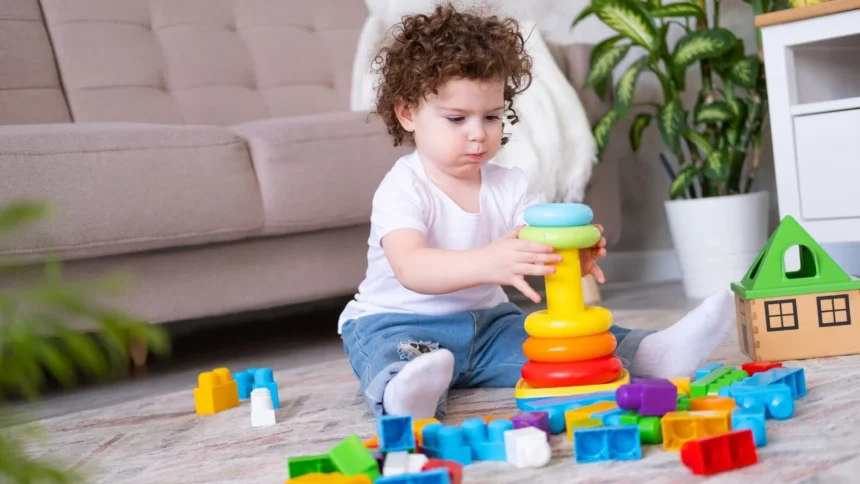

Toddler on a rug, focused on stacking rings onto a stacker, the kind of focus Montessori sensitive periods describe

Montessori Sensitive Periods: What to Notice in Your Baby and How to Respond

Montessori sensitive periods are stretches of time when a child is remarkably sensitive to one kind of activity, like moving, talking or putting things in order. Two Montessori organizations each publish a list, and neither gives a set age for each period. Below: how they can show up at your baby’s milestones, and simple ways to respond.

Four pairs of shoes in a row, from baby booties to grown-up sneakers, picturing the Montessori planes of development

The Montessori Planes of Development: What the First Plane Means for Your Baby

The Montessori planes of development are Maria Montessori’s four stages of growing up: birth to 6, 6 to 12, 12 to 18, and 18 to adulthood. The first plane is the one that matters now. It’s the age of the absorbent mind, when your baby takes in the world without trying. Here’s what that looks like at home.

Montessori parenting style in real life: a parent pours flour as a preschooler sifts it and a toddler reaches in to help

What Is the Montessori Parenting Style? 8 Ways It Differs From Traditional Parenting

The Montessori parenting style means raising your child with ideas from Maria Montessori’s method: respect for the child, real independence, and freedom within clear limits. It isn’t one of the parenting styles researchers study, but it lines up well with “authoritative” parenting. Below: 8 ways it differs from traditional parenting, and how to start for $0.