

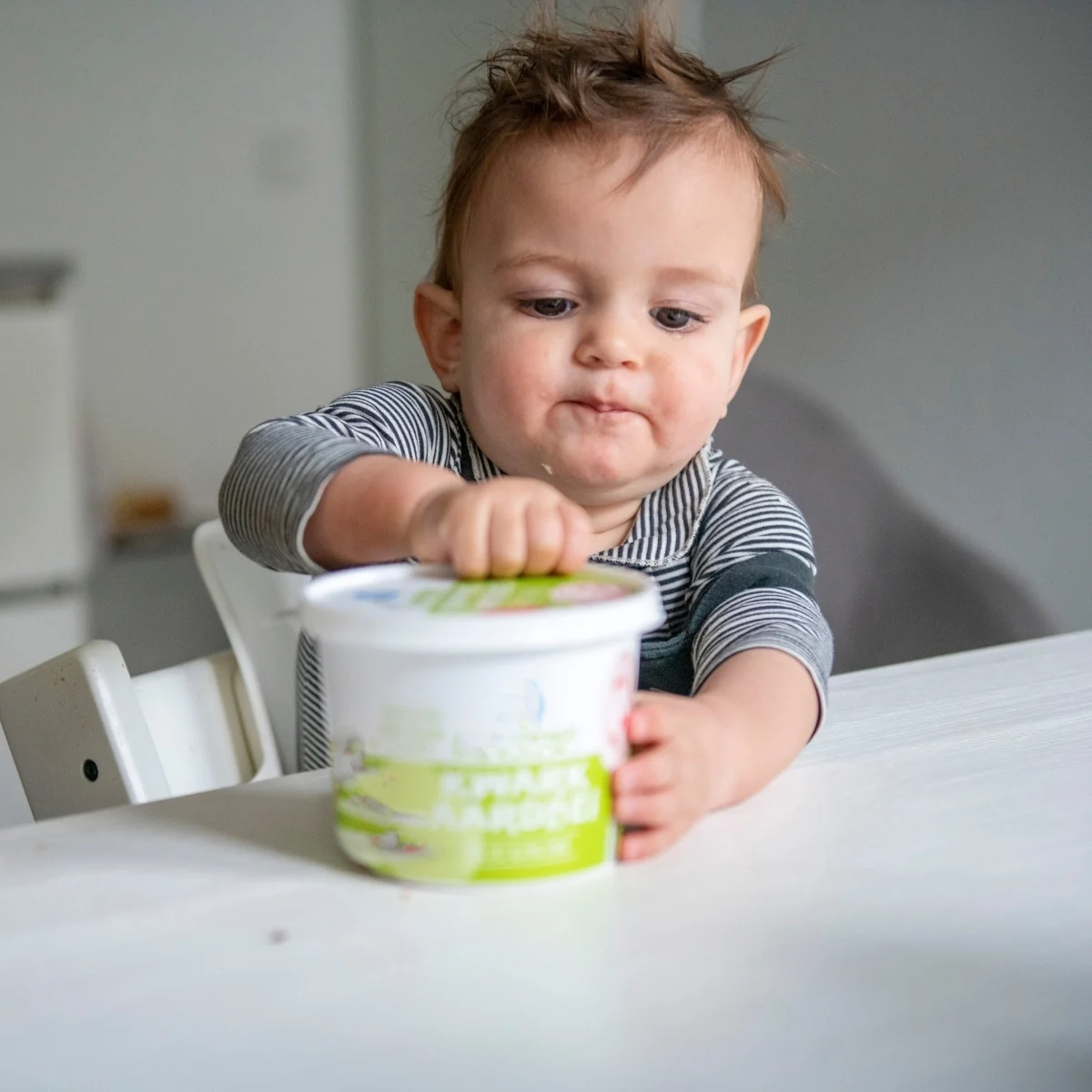
It’s the witching hour. Dinner is half-started, you’ve already swept under the high chair twice today, and your ten-month-old has found the one crumb you missed. They pinch it between thumb and pointer finger, tongue poking out, study it like treasure, then go looking for the next one.
 Save
SaveThis morning it was “ba-ba-ba-ba” from the car seat, all the way to the store and all the way home.
So that night you look it up, and the internet hands you a phrase: sensitive periods. Then a colorful chart with an age range beside every one, and somewhere near the bottom, a line about windows that close. Now you’re wondering whether the crumb thing is a phase, a problem, or a deadline you’re about to miss.
If that sounds like your house, you’re in good company. The real answer is a lot gentler than that chart.
Sensitive periods are a genuine Montessori idea, and a useful one. But the two Montessori organizations quoted below don’t pin a month on any single period. What helps far more is noticing what your baby keeps coming back to, then making a little safe room for it. If Montessori is new to you, starting Montessori at home covers the basics.
What are sensitive periods in Montessori?
Sensitive periods in Montessori are spans of time when a young child is strongly drawn to one activity or interest, such as language, movement or order. AMI and the American Montessori Society publish lists of them, but don’t tie each one to a specific age.
The idea goes back to Maria Montessori, and two organizations keep it in plain view today. The Association Montessori Internationale (AMI), whose online archive keeps a glossary of her ideas, describes sensitive periods as time spans when a child is sensitive, to a remarkable degree, to a particular activity or interest. The American Montessori Society, a US Montessori organization, frames them in a 2024 article on planes of development and sensitive periods as a time when a child is ready to take in one specific skill.
Their lists overlap without matching:
- AMI’s glossary names periods for language, movement, order, refinement, obtaining culture, social cohesion and sensory perceptions.
- The American Montessori Society, for the first plane (birth to 6), names order, language, refinement of movement, refinement of the senses, concentration and repetition, grace and courtesy, and independence.
You may have seen these called “the six sensitive periods.” The two lists don’t agree on a number, so this post doesn’t count them. Order, language, movement and the senses appear on both, in slightly different words, and they get the most room below.
What’s missing from both lists matters just as much: ages. Neither one assigns a month or a year to a single period. The American Montessori Society places its whole list inside the first six years and leaves it there.
Sensitive periods also sit beside another Montessori idea, the absorbent mind. AMI’s glossary describes a young child taking in knowledge, experiences and relationships quickly and effortlessly, without even knowing it until about age 3. How the two ideas fit together is the subject of the Montessori planes of development.
A Montessori sensitive periods chart, built on real milestones
This chart pairs what most babies do by 2, 6, 9, 12, 18 and 24 months, from the US health agency’s milestone lists, with the sensitive periods those skills may connect to, plus one simple thing to try at home.
The ages come from the Centers for Disease Control and Prevention (CDC), the US public health agency, which publishes lists of what most children can do by a given age. At Moje Montessori, we built this Montessori sensitive periods chart on those lists because they’re ages from a source that actually gives ages. The “may connect to” column is a way to read what your baby is doing, not a timetable.
| By about… | What most babies do (CDC) | Sensitive period it may connect to | A simple thing to try at home |
|---|---|---|---|
| 2 months | Hold their head up when on their tummy, move both arms and legs, open their hands briefly, make sounds other than crying | Movement · Language | Floor time on their tummy while you stay close; when they coo, answer, then pause |
| 6 months | Roll from tummy to back, push up on straight arms, lean on their hands to sit, take turns making sounds with you, blow raspberries | Movement · Language | A clear patch of floor to roll on; a back-and-forth “conversation” of sounds |
| 9 months | Sit without support, move things from one hand to the other, rake food toward themselves, babble “mamamama” and “bababababa” | Movement · Senses · Language | One or two larger, safe objects to pass hand to hand; babble back |
| 12 months | Pull up to stand, walk while holding on to furniture, pick up small bits of food between thumb and pointer finger, wave “bye-bye,” call a parent “mama” or “dada” | Movement · Language | A clear path along the couch to cruise; a crawl-height check of the floor for anything small |
| 18 months | Copy chores like sweeping, try to use a spoon, help with dressing by pushing an arm through a sleeve, drink from a cup without a lid (with some spills) | Independence · Movement | A small broom or cloth to “help”; a few extra seconds to push the arm through themselves |
| 24 months | Kick a ball, run, eat with a spoon, say at least two words together like “More milk,” point to at least two body parts when you ask | Movement · Language · Independence | A ball outside; naming body parts at bath time |
Read the first column as “by about this age,” not “on this date.” These are CDC milestones, not Montessori windows. If your baby isn’t doing something on the list, or anything else worries you, bring it up with your child’s doctor.
For the first row, if you’ve been eyeing Montessori mobiles for those early weeks, which mobile to hang, and when has its own guide.


Around 2 months: head up off the floor, and a lot of effort. Around 9 months: sitting steady, both hands free to reach.
What does Montessori mean by a “sensitive” period?
In Montessori, a “sensitive” period means a stretch when a child is especially receptive to one skill. The American Montessori Society calls it a time when the child is “biologically ready and receptive” to acquiring that skill.
The word “sensitive” is doing a lot of work here. Call a baby sensitive in everyday English and people picture one who cries easily. In Montessori, it means tuned in. The same definition says the child is “particularly sensitive to stimuli that promote the development of that skill.” In plain words, whatever helps that skill grow suddenly becomes fascinating.
Read that way, the crumb hunt makes a different kind of sense. Your baby isn’t really after the crumb. Their fingers have just learned to pinch, and they’re practicing on anything they can find.
Both definitions describe readiness, a time when learning one particular thing comes with unusual ease. If the Montessori vocabulary is starting to pile up, this list of Montessori terms explains the rest in plain English.
 Save
SaveWhich sensitive periods will you notice from birth to 3?
Movement, language, order, refinement of the senses, and independence with grace and courtesy are the names from the Montessori lists that are easiest to connect to everyday behavior before 3. None of them needs special equipment.
Each one below starts from what you might actually see, using the milestones in the chart, then offers a response or two.
Movement
Movement is the loudest of the bunch, sometimes literally. Read down the chart and the arc is easy to see: a head lifting off the blanket at 2 months, rolling from tummy to back by 6, sitting without support by 9. Around the first birthday comes pulling up to stand and walking while holding on to furniture, which parents call cruising. By 2, it’s running and kicking a ball.
Responding is mostly about space, not stuff. A clear stretch of floor gives a roller somewhere to roll, and a sturdy couch gives a cruiser something to hold. When your baby is straining toward a new move, try waiting a beat before you help. The effort is part of the practice.
 Save
SaveLanguage
Language starts long before words. At 2 months it’s sounds other than crying. At 6 months it’s taking turns making sounds with you, plus plenty of raspberries. At 9 months it’s strings like “mamamama” and “bababababa.” By 12 months many babies call a parent “mama” or “dada” or another special name, and by 2 they’re putting two words together, like “More milk.”
That “ba-ba-ba” marathon in the car fits right here. The response is the easiest one in this post: talk back. Answer the babble, then pause long enough for a reply. Name what they’re looking at. You’re not so much teaching words as keeping up your end of a conversation with someone who’s still learning how conversations work.
Order: the sensitive period for order
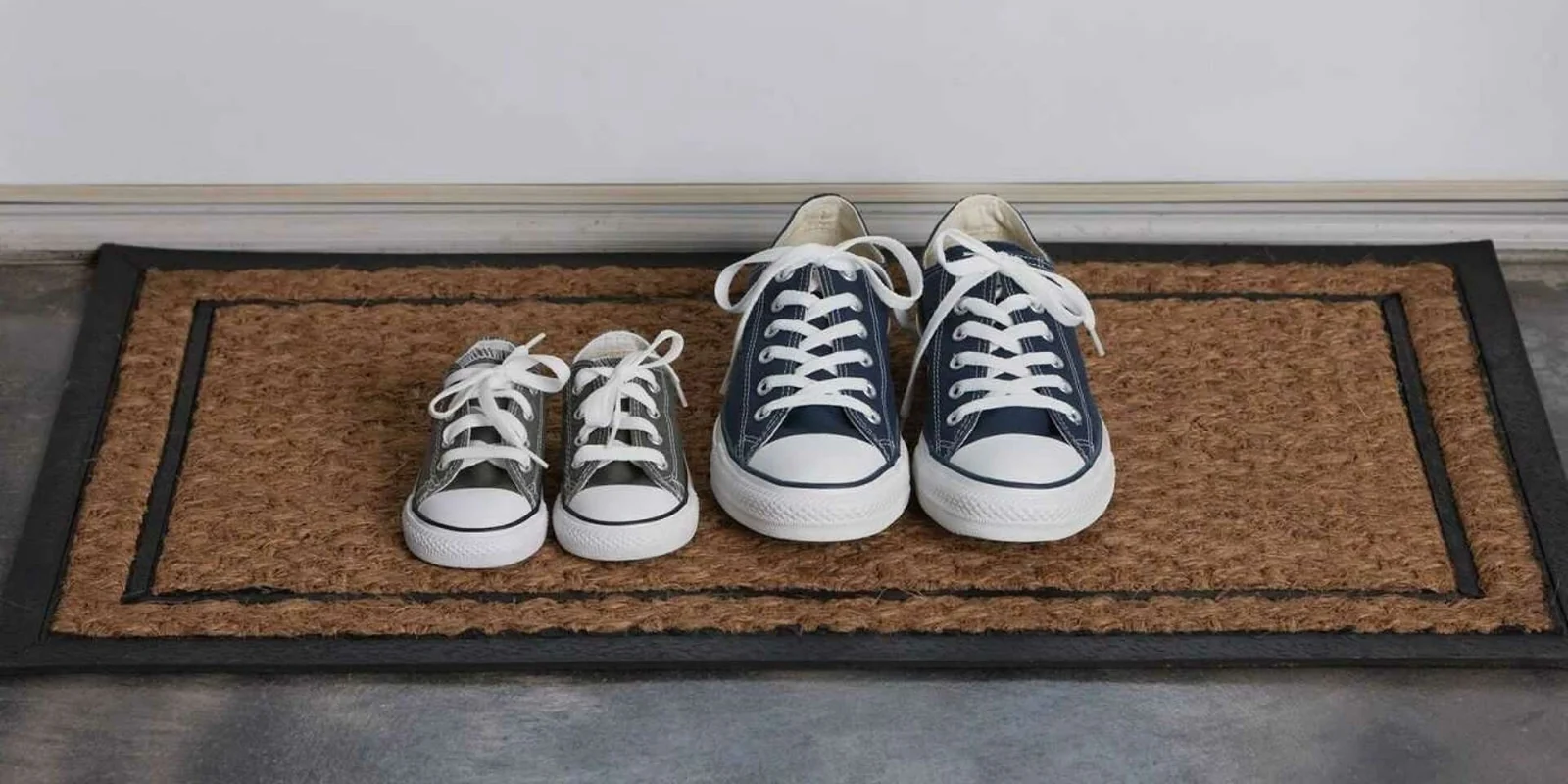
Order is on both Montessori lists, and it can be the most puzzling one to live with. The American Montessori Society adds a short note to it: telling what’s alike from what’s different, which is closer to sorting than to tidiness. Neither source describes what the sensitive period for order looks like at home, so take what follows as a picture of everyday toddler behavior rather than a Montessori rule. It can look like a toddler who insists the shoes go by the door, notices the second a chair has moved, or comes apart when the bedtime routine skips a step.
To an adult, that reads as fussy. To a small child making sense of a big world, things staying put may be a relief. A few things help: keep everyday objects in the same spots, keep the daily rhythm fairly predictable, and give a short heads-up before a change (“After the bath, it’s pajamas.”). Flexible days still happen. A home isn’t a classroom.
 Save
SaveRefinement of the senses
AMI’s glossary lists sensory perceptions; the American Montessori Society says refinement of the senses. In real life, this might look like a baby turning a cool metal bowl over and over, patting the rug and then the bare floor, or going still at a new sound.
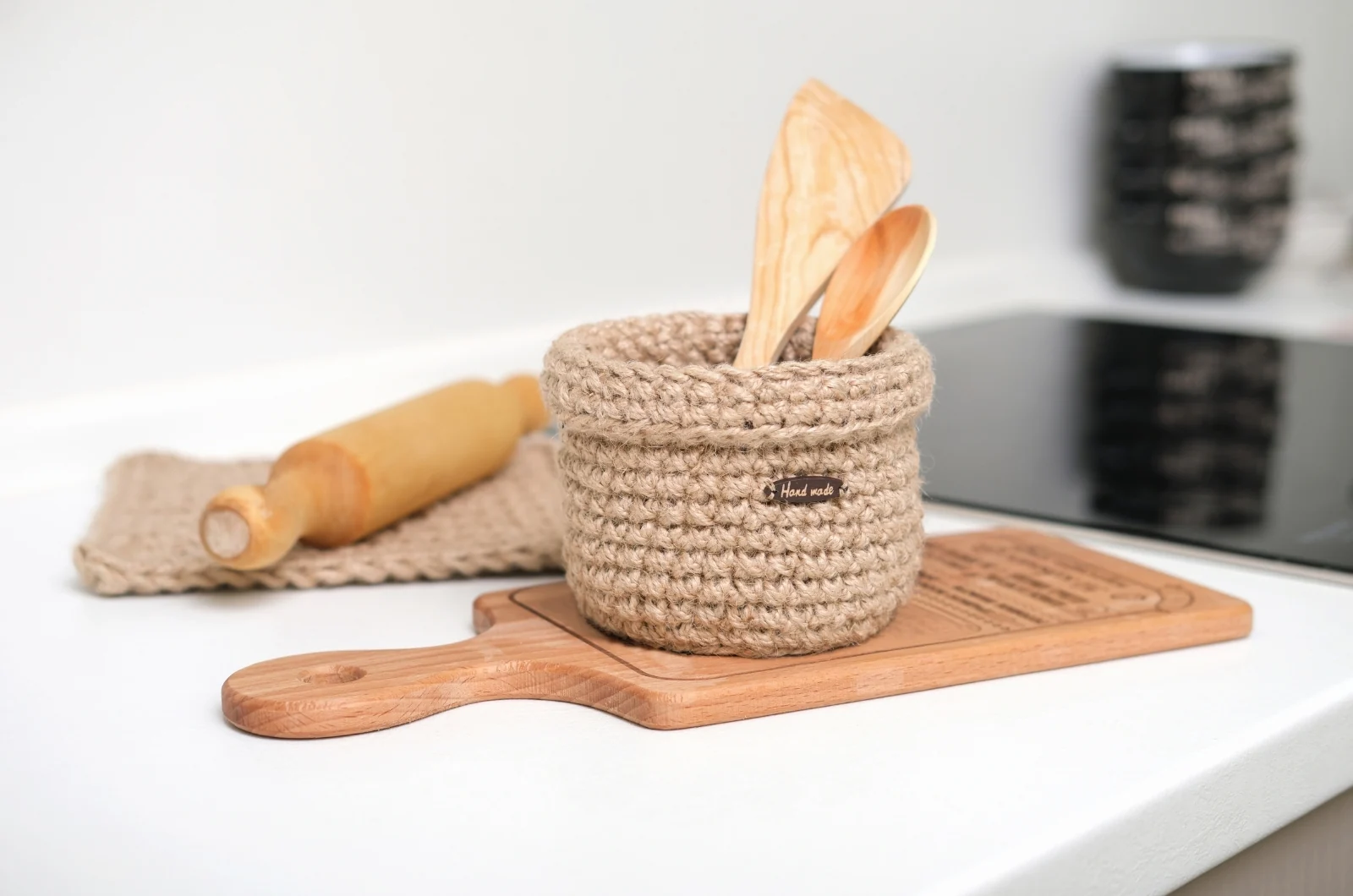
You don’t need a sensory kit. A few household things with different weights, textures and temperatures will do: a wooden spoon, a small metal bowl, a cloth napkin. Offer two or three at a time, and swap them now and then rather than adding more. Everything in the basket should be too big to choke on, and the safety section below explains exactly what that means.
 Save
SaveIndependence, grace and courtesy
The American Montessori Society lists independence and grace and courtesy as separate periods. Independence is easy to spot in the 18-month row of the chart: copying chores like sweeping, trying to use a spoon, helping with dressing by pushing an arm through a sleeve or lifting a foot, and drinking from a cup without a lid, with some spills.
Responding mostly costs time. A small broom or a damp cloth lets them “help.” A few extra seconds at the sleeve lets them push the arm through themselves. Expect spills, and keep a towel within reach.
Grace and courtesy, as the name suggests, is about manners and kindness. Before 3, the simplest version is hearing it: “please,” “thank you” and “excuse me” from the grown-ups around them, said to them as well as to each other.
 Save
SaveWhen your baby is suddenly into tiny things
Some sensitive-period lists online include one for “small objects.” It isn’t on either Montessori list above, but the behavior is real. Around the first birthday, the CDC’s 1-year milestones include picking things up between thumb and pointer finger, like small bits of food. That’s the crumb hunt from the opening. Once fingers can pinch, every small thing on the floor becomes a target, and not all of them are crumbs.
This is the one place where a baby’s fascination runs straight into a hard safety line.
Babies explore with their mouths long before they can pinch: the CDC’s 6-month list already includes putting things in their mouth to explore them. For a child under 3, nothing within reach should be small enough to choke on. Get down to their eye level and check the floor, the low shelves and the space under the high chair, especially after visitors.
If you’d rather turn all that pinching into play, free Montessori activities uses things you already have and covers how to check them for size.
How can you tell your baby is in a sensitive period?
Intensity is the clue: your baby comes back to the same activity again and again, gets absorbed in it, and may protest when it’s cut short. That pattern tells you more than any age on a chart.
Both definitions point to intensity. The signs below are a parent’s rule of thumb drawn from that, not a list AMI or the American Montessori Society publishes:
- Coming back. The same lid, the same sound, the same low step, day after day.
- Absorption. The tongue-out, nothing-else-exists face.
- Repetition for its own sake. Doing it again seems to be the point. The American Montessori Society even lists concentration and repetition as a sensitive period of its own.
- Protest at interruptions. Being scooped up mid-attempt can bring real outrage.
Not every new obsession is a sensitive period, though. Sometimes a baby just likes the sound a lid makes. Honestly, you won’t spot every one, and you don’t have to. Name or no name, the response is the same. Make a little safe room for it, and watch what happens next.
If you’d like a way to see patterns over a week or two, a Montessori observation journal can be as simple as one line a day.
 Save
SaveThere’s no window slamming shut
Neither Montessori source puts a date on any single sensitive period, and CDC milestones describe what most children do by an age, not cutoffs for learning. Both Montessori sources talk about readiness, and neither calls it a last chance.
Remember the chart with an age beside every period? Those neat ranges don’t come from the AMI glossary or the American Montessori Society article quoted here. What the AMI glossary does say is that a sensitive period disappears once the skill is gained. Neither source says what happens if a period passes before the skill arrives, so there’s nothing here to back the “missed window” those charts hint at.
So if you’re reading this at 10 months and worrying you missed the early babble or the rolling months, take a breath. If your baby babbles and rolls now, those skills arrived, whether or not anyone named the period at the time. Interest ebbs and flows, too: the lid your baby couldn’t put down last week may not get a glance today. That isn’t a door closing. It’s your baby moving on, and you get to move along with them.
A sensitive period is an open door, not a countdown clock.
What does matter, at every age on that chart, is keeping the exploring safe.
How do you keep your baby’s exploring safe?
Keep anything small enough to choke on out of reach, from the mouthing months on. US safety law keeps small parts out of toys for children under 3, but everyday household objects don’t have to follow that rule.
Federal law bans toys and other products intended for children under 3 that present a choking, aspiration or ingestion hazard because of small parts. The US Consumer Product Safety Commission (CPSC), the federal product-safety agency, defines a small part as any object that fits completely into a test cylinder that approximates the fully expanded throat of a child under 3.
A wooden spoon, a coaster, the lid of a big storage tub: none of these was made as a toy, so none had to pass that cylinder test. That’s why every household object in the chart comes with the same condition, big enough not to choke on. You probably don’t have a test cylinder at home, so when you’re not sure an object is big enough, treat it as too small and keep it out of reach.
Stay close during floor play with anything that isn’t a toy, and give each new object a once-over before it goes in the basket. For the rest of a safe setup, from the floor up, the guide to Montessori at home covers it.
 Save
SaveFrequently Asked Questions
What are sensitive periods in Montessori?
Sensitive periods in Montessori are stretches of time when a child is especially drawn to one kind of activity, like language, movement or order. In a baby, they can look like the same sound, the same lid or the same crumb hunt, over and over. The two Montessori organizations quoted here name these periods but don’t give a set age for each one.
What does Montessori mean by a sensitive period?
By a sensitive period, Montessori means a time when a child is unusually receptive to a particular skill. The American Montessori Society describes the child as biologically ready for that skill and particularly sensitive to whatever helps it develop. For you, that mostly means noticing what your baby is fascinated by and making safe room for it.
Conclusion
Nothing in this post needs memorizing, the chart included. Tomorrow, during floor time, pick one thing your baby keeps coming back to. Just one. Notice it, give it a little more room, and check that it’s safe. That’s the whole practice, and it fits any row on the chart. If the crumb hunt is still going strong next week, you’ll know exactly what you’re looking at, and you’ll have swept the floor at their eye level first.
Your baby doesn’t need you to catch every sensitive period. Noticing the one in front of you today is plenty, and you’re already doing it.
Miri
Fewer toys, deeper play.
Further Reading & Resources
See all 11 sources
- Montessori definitions: Sensitive Periods and Absorbent Mind (Association Montessori Internationale, AMI Montessori Archives glossary) · Planes of Development and Sensitive Periods: Foundations of the Montessori Multi-Age Classroom (American Montessori Society, 2024)
- Milestones: Milestones by 2 Months, 6 Months, 9 Months, 1 Year, 18 Months and 2 Years (Centers for Disease Control and Prevention, CDC)
- Small parts safety: Small Parts (US Consumer Product Safety Commission, CPSC FAQ) · 16 CFR 1501.1 (Cornell Law School, Legal Information Institute)