Moje Montessori

The blog · birth to age 3

Babyproofing

Freedom to move only works in a safe space. Room-by-room checks, anchoring furniture, gates, cords, button batteries and magnets, and how to look up toy recalls. Start here: Babyproofing a Montessori Home: What to Do First, and What Can Wait

Written by Miri, a self-taught Montessori mom · 6 articles

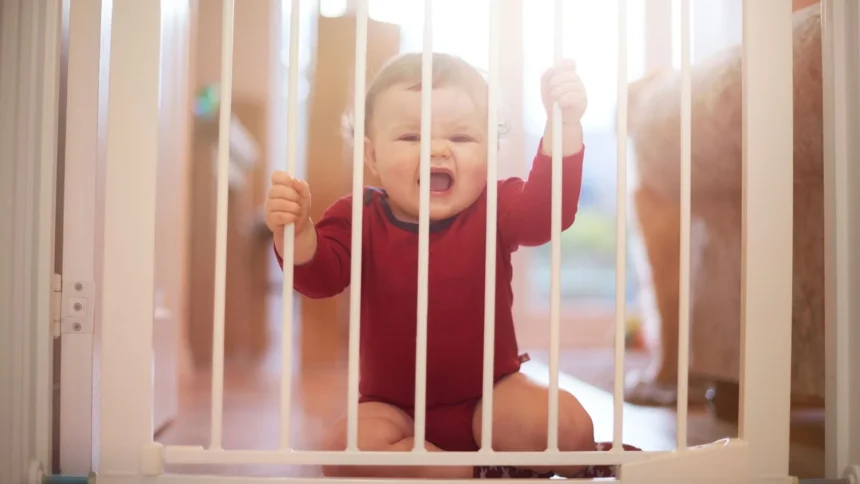
A baby in a red bodysuit sits behind a white safety gate with both hands on the bars: babyproofing

Babyproofing a Montessori Home: What to Do First, and What Can Wait

Babyproofing a Montessori home starts with a short list of jobs before your baby crawls: anchor heavy furniture, gate the stairs, and lock up medicines and cleaners. Batteries, blind cords and water make the list too. Everything else can follow your child’s next move, and the table below sorts each job by stage, from crawling to climbing.


Adult hands changing the batteries in a small black electronic device: button battery ingestion safety

Button Battery Ingestion: What to Do Right Away, and How to Prevent It

Button battery ingestion is an emergency even if your child seems fine. A swallowed coin battery can burn through a child’s throat in as little as two hours, so call 1-800-498-8666 or 1-800-222-1222 right away and head to the ER. Below: the first four steps, what Poison Control says about honey, and where these batteries hide.

A bright nursery with a wooden crib on a different wall from the window and its white blinds: child safe blinds

Child Safe Blinds: Going Cordless and Making Your Windows Safer

Child safe blinds are cordless, or keep any cord short or out of a child’s reach. The U.S. Consumer Product Safety Commission (CPSC) calls cordless the only option that removes the strangulation hazard. Below: which blinds the federal rule covers, what to do with corded ones you can’t replace yet, and how to guard the windows.

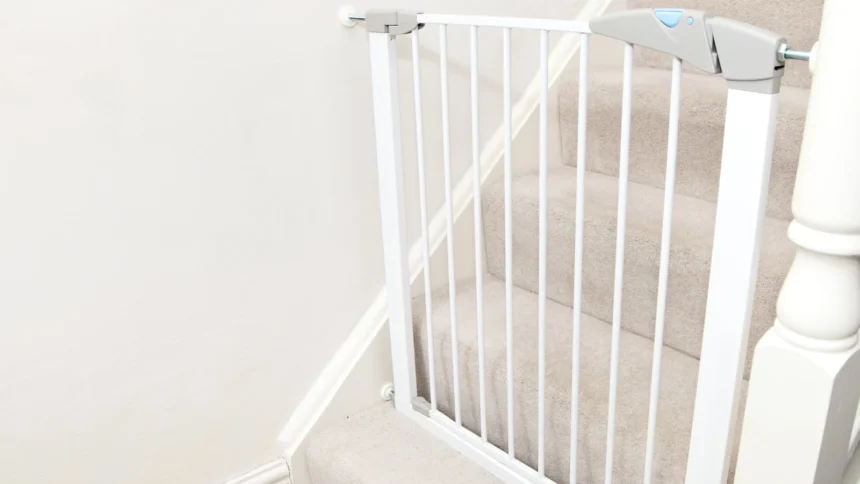
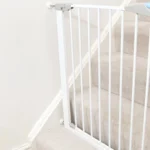
A white gate fitted across a carpeted staircase, between the wall and a banister post: baby gate for stairs

Baby Gate for Stairs: How to Choose One for the Top and the Bottom

Baby gate for stairs, the short version: the American Academy of Pediatrics (AAP) says to put gates at both the top and bottom once your child is learning to crawl and walk, firmly mounted to the studs, and to skip accordion-style gates. Below: which type goes where, what to check on the label, and when a play yard fits better.

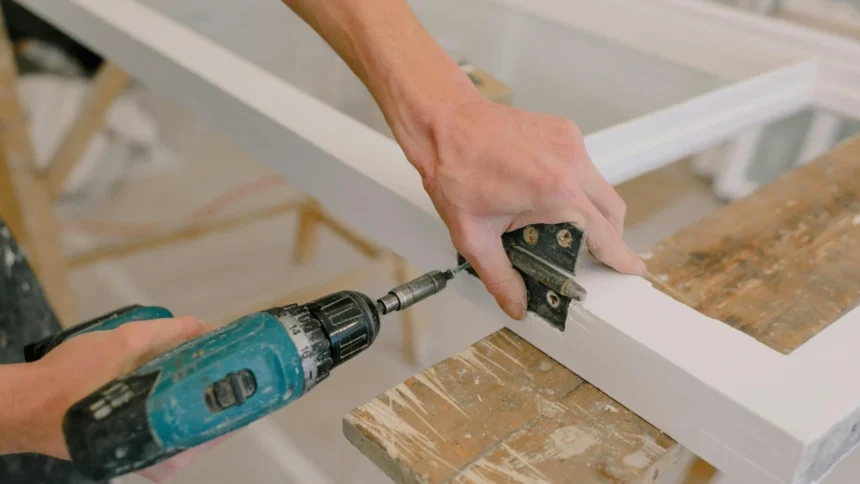
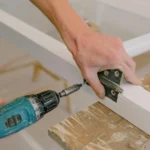
A cordless drill drives a screw through a small metal hinge held against a white wooden frame: furniture anchors

Furniture Anchors: How to Choose a Kit and Install It (Renters Too)

Furniture anchors tie a dresser, bookcase or TV to the wall so it’s much less likely to tip onto a child who pulls or climbs on it. The government’s Anchor It! campaign says to anchor anything with drawers, doors or shelves. Below: matching a kit to your wall, installing it step by step, and what renters can do.

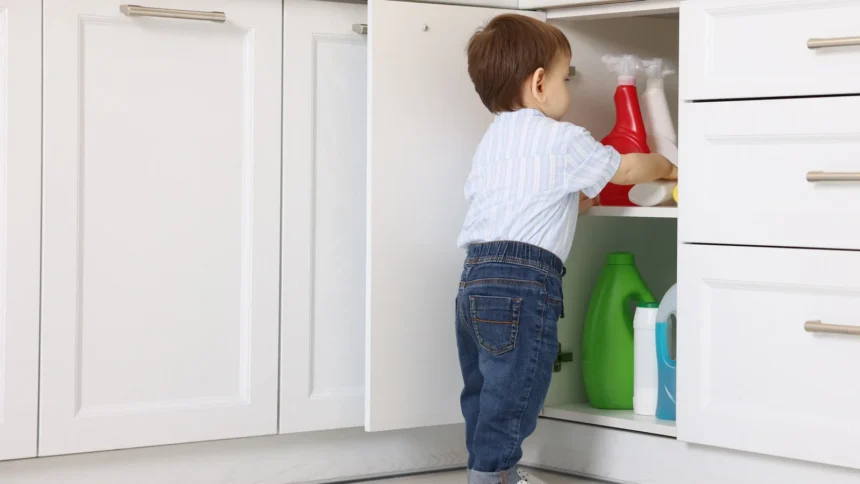
A toddler reaching for cleaning bottles in an open low kitchen cabinet: where a babyproofing checklist starts

Babyproofing Checklist: A Room-by-Room Walk-Through for the Toddler Years

A babyproofing checklist works best room by room, at your toddler’s eye level. Start with the kitchen and bathroom, where medicines, cleaners, water and heat live, then move through the living room, the bedroom and the stairs. Each room below gets a short list: what to fix today, and what can wait for the weekend.