

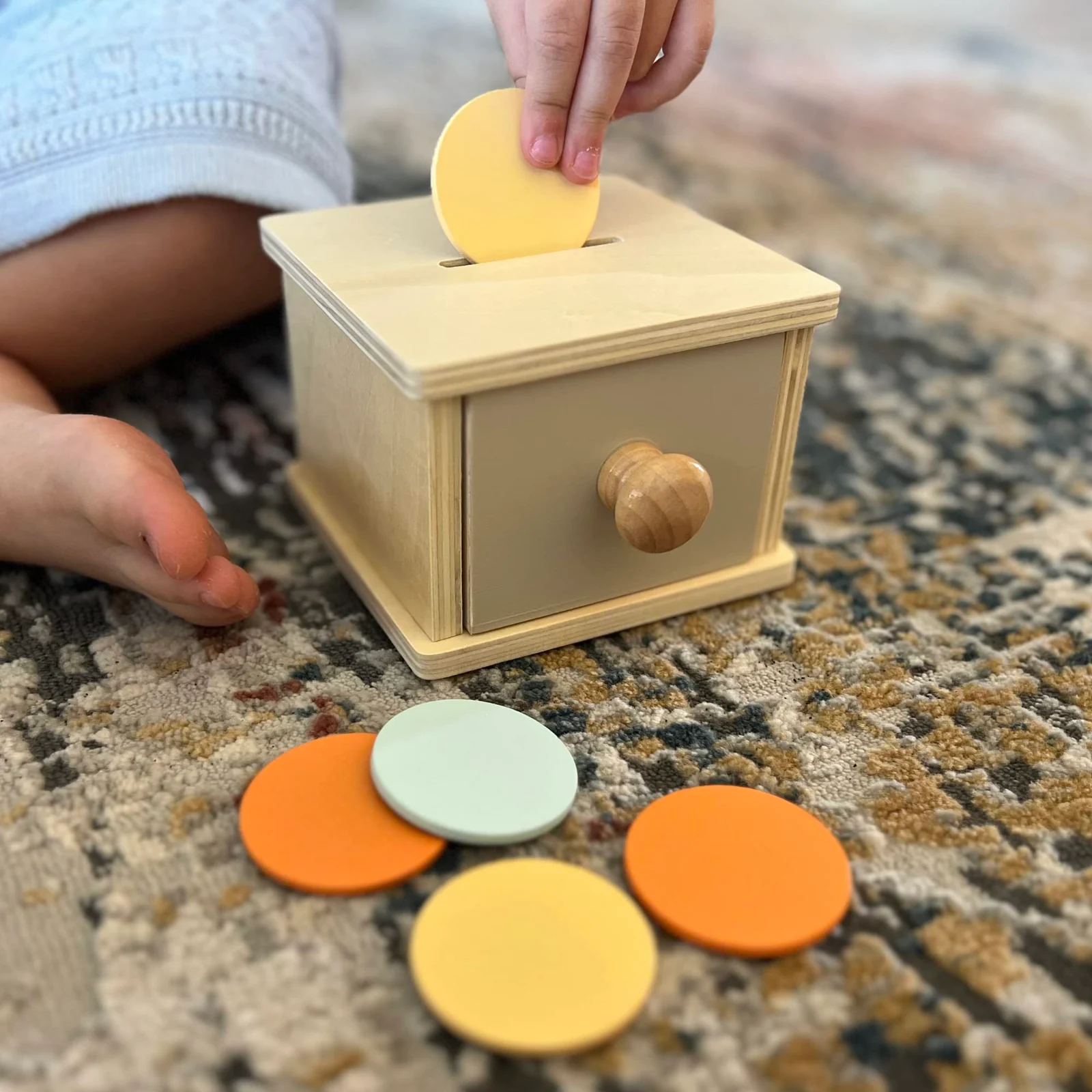
For almost a month, Will played one game. Every day, he pushed wooden coins through the slot of a little box, or twisted the cap of a water bottle on and off, on and off. The new things I’d just bought for his shelf sat right there. He wouldn’t even look at them.
At first I was impatient, and if I’m honest, a little amused. Then I did some reading, and it finally made sense: young children learn by repeating a thing until they’ve mastered it. Watching the same coin disappear again and again made me sleepy. But while Will was lost in that box, I got half an hour with my coffee.
One safety note, since caps came up: a loose bottle cap can be small enough for a child under 3 to choke on, so that game only happens with an adult right beside them.
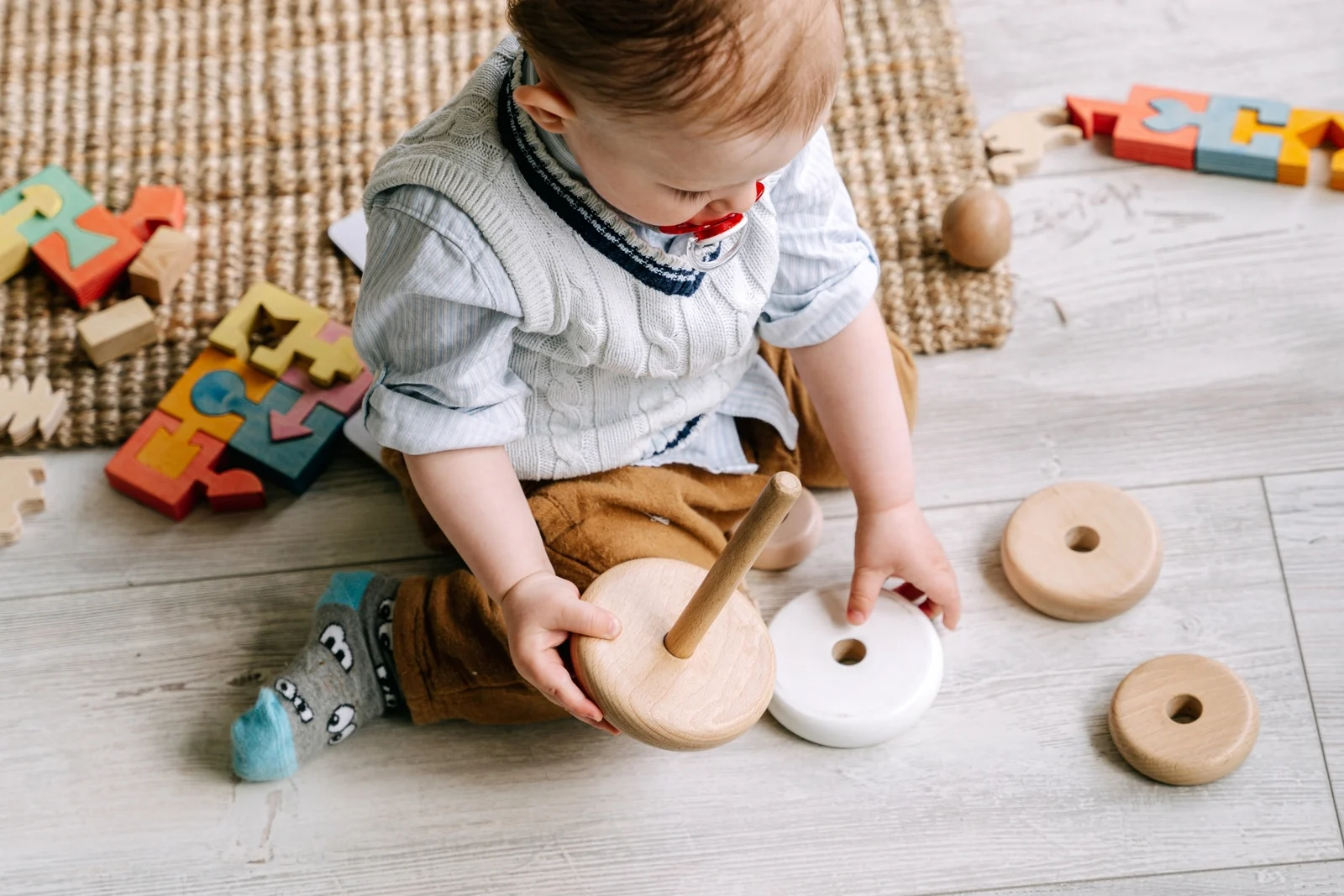
Maybe your baby is in a phase like that right now. The same ring pulled off the same peg. The same cupboard door opened and shut until you’ve stopped hearing it. And you’re stuck on a question that sounds small and feels big: do you step in, or sit back?
If that sounds like your house, you’re in good company. A Montessori observation journal is the tool I wish I’d had that month. Ten minutes of watching, a few lines in a notebook, and a simple way to turn what you saw into the next toy, or into a good reason to leave the old one right where it is.
 Save
What is Montessori observation?
Montessori observation is watching your child closely, for longer than feels natural, without steering the play. You’re gathering information about what they’re working on before you decide what to change or offer next.
The Association Montessori Internationale (AMI) defines observation as “looking carefully for prolonged periods of time to gain information,” and calls it a habit you build with practice. AMI is describing trained Montessori guides, who watch so they can help each child with what that child actually needs.
Taking it home is our own adaptation. Parents don’t usually get that kind of training, and you can borrow the heart of it anyway: look longer than you normally would, and save your opinions for later.
The idea goes back to Maria Montessori herself. In The Montessori Method (1912), she wrote that the teacher should be “a passive, much more than an active, influence,” and she saw that role as an observer’s. Her 1946 London Lectures point the same way: she said her method “has been achieved by following the child and his psychology,” which is the idea behind the phrase “follow the child.”
She watched closely enough to count. In the same book, she describes children in her Children’s Houses repeating an exercise many times, and once watching a four-year-old repeat it sixteen times, carrying on undisturbed even while other children sang to distract her. Those were preschoolers, so please don’t hold your baby to that number. The part worth borrowing is the watching.
Montessori herself wrote about “scientific observation” in The Montessori Method. It sounds like lab coats. At home, it comes down to three practical payoffs:
- You see what your baby is actually working on. That’s often different from what the box says the toy is for.
- You stop swapping too early. A toy your baby keeps repeating still has work left in it.
- You catch “too much” sooner. Fussing that starts every time one busy toy comes out tells you something a shopping list never will.
If you’re still putting the basics of Montessori at home in place, observation is the piece that makes every other choice easier.
 Save
How to observe your baby in 10 minutes
Put your phone in another room, sit on the floor at your baby’s level, stay quiet for ten minutes, then write three lines: what they chose, what they repeated and where they stopped.
Most advice on how to observe your child is written for classrooms, with clipboards and trained eyes. You’ve got a living room and maybe a burp cloth on your shoulder. That’s enough. The ten minutes is our own suggestion, short enough to squeeze in between a nap and dinner. Some days you’ll get five, and five still counts.
- Put the phone away. Another room is best. If it’s in your hand, you’ll look at it.
- Get low, and a little to the side. Sit at eye level, close enough to reach your baby in a second, off to one side so you’re not the main attraction.
- Stay quiet. No narrating, no “Look at this!”, no handing back the toy that rolled away. If they look up, just smile.
- Watch hands and face. What did they reach for first? What came back again and again? When did they stop?
- Write three lines, right away. What they chose, what they repeated, where they stopped. That’s a journal entry.

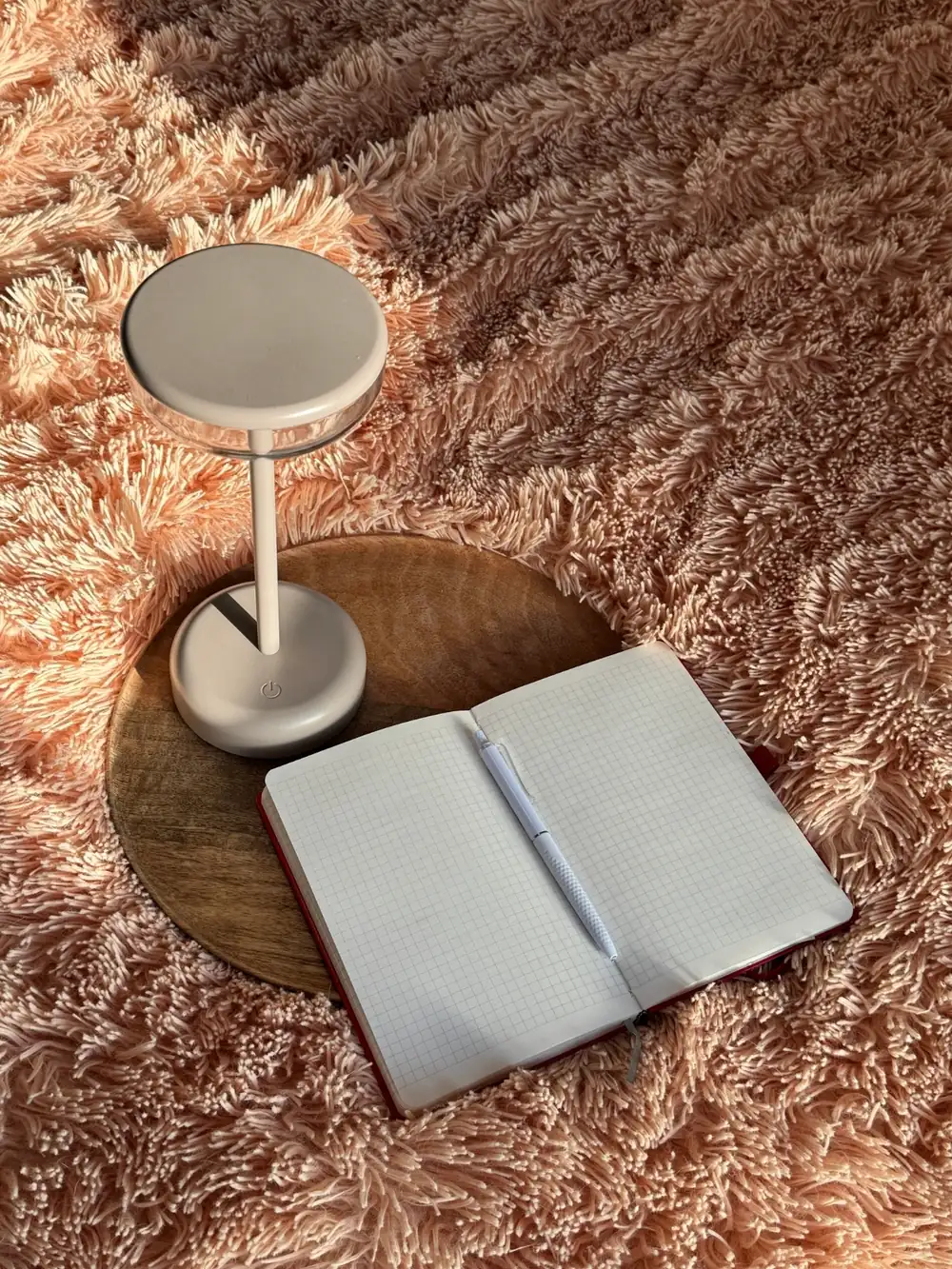
Sit low and a little to the side, close enough to reach in. Three short lines, written right after, are plenty.
Observing children at play is mostly about what you don’t do. The first few times, it can feel a lot like slacking off. Give it a few rounds, and the quiet starts to feel like what it is: paying close attention.
A word about that half hour of coffee I mentioned. That was a break, and a welcome one. Observation is a different ten minutes. Your eyes stay on your baby the whole time, and the coffee can wait until you’ve written your three lines.
Sitting back also has limits. The American Montessori Society (AMS) describes freedom for babies and toddlers as freedom “within limits, always in the presence of an adult.” So observing means nearby, in the same room, every time.
Sit close enough to reach in, and step in right away if something that shouldn’t be there is headed for your baby’s mouth.
Once your baby starts picking up crumbs between thumb and pointer finger, check the floor first. Federal law bans toys for children under 3 with small parts that pose a choking hazard, but bottle caps, coins and other household bits were never held to that rule. The U.S. Consumer Product Safety Commission (CPSC) counts anything that fits completely into its small parts test cylinder as a small part, and that cylinder is about the size of the fully expanded throat of a child under 3. Not sure? Keep it out of reach.
A simple observation sheet
A useful page of Montessori observation notes has six short lines: when and where, what your baby chose, what they repeated, when they stopped, how they seemed, and one idea for next time.
This is the sheet we put together at Moje Montessori. It’s our own format, so change anything that doesn’t fit your day. Copy it into any notebook you keep near the play area. Rows two to four are the three lines from the last step, and the rest are extras for days when you have a minute more. The examples are made up, just to show the kind of detail that helps.
| Line on the sheet | What to write | Example |
|---|---|---|
| When and where | Time, room, how rested your baby seemed | 10:15 a.m., living room rug, about an hour after a nap |
| What they chose | The first thing they reached for, and anything they skipped | Went straight for the ring stacker, passed the new ball |
| What they repeated | The movement, and roughly how often | Pulled the top ring off, put it back, over and over |
| When they stopped | What happened right before | Stopped when the dog walked in, didn’t go back |
| How they seemed | Focused, frustrated, happy, fussy | Very focused, tongue out, a few happy squeals |
| Next time | One small idea | Leave the stacker out; try the ball another day |
You don’t need an exact count. “Over and over” is a perfectly good note, and so is “stopped when the dog walked in.” Try to write what happened before you write why. “Dropped the ring, picked it up, dropped it again” will help you more next week than “loves the stacker.”
If I could keep only one line, it would be the one about repeating. That’s the line that tells you to wait.
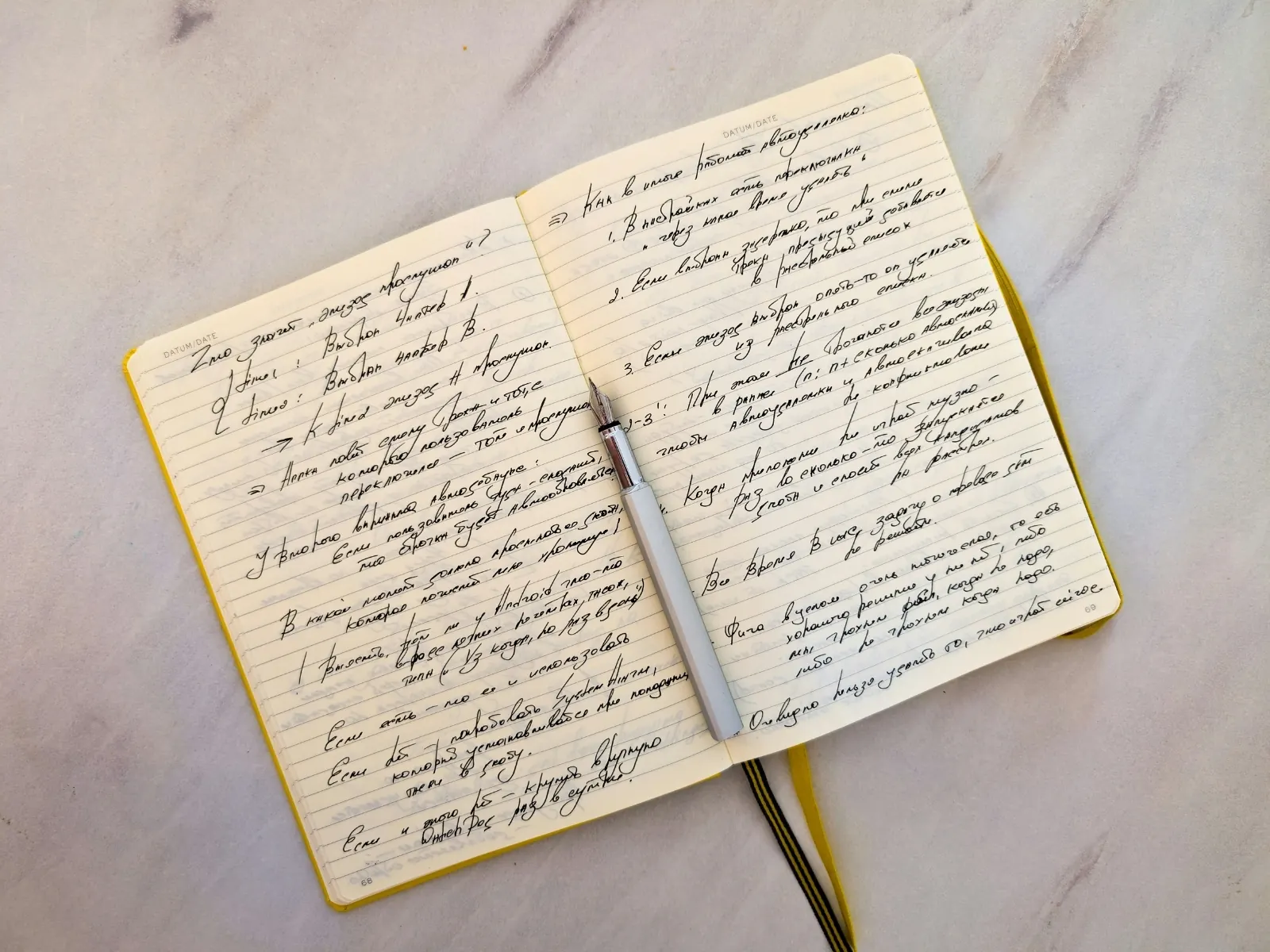
Keep the pages, too. A week of them shows you patterns a single session can’t: the time of day your baby plays longest, the toy that keeps getting passed over, the skill that showed up on Tuesday and was everywhere by Friday.
 Save
From what you see to the next toy
The signs a baby is ready for a new toy are a fresh skill and an old toy finished easily. Steady repetition usually means leave it out, and fussing or pushing toys away means fewer things for now.
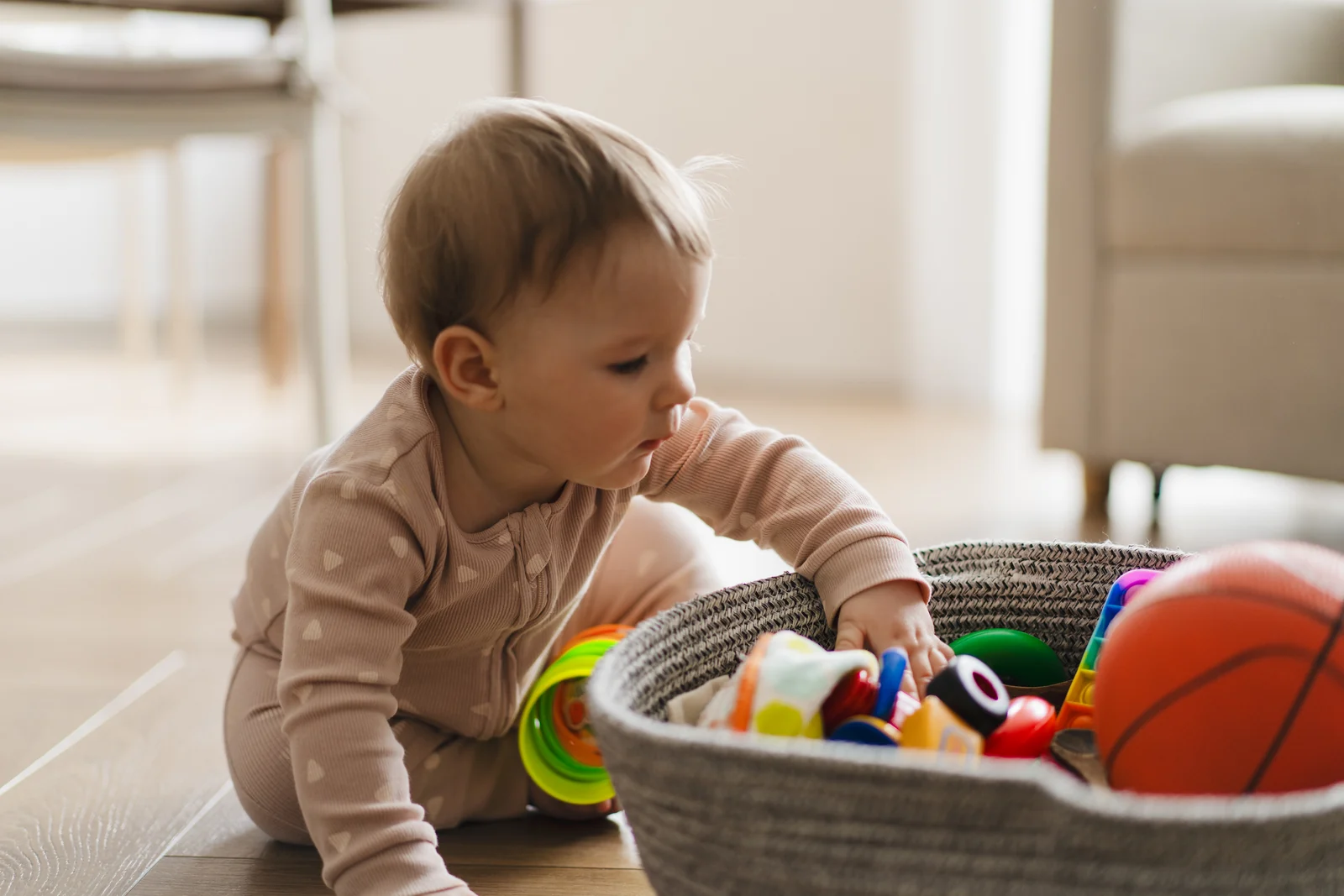
Start with repetition, because it’s the one that fools most of us. At our house, it looked like a coin box and a bottle cap, day after day, while the new toys waited. Maria Montessori saw the same pattern in her Children’s Houses, like that four-year-old who went sixteen rounds and wouldn’t be distracted. AMS takes repetition seriously enough to list concentration and repetition among the sensitive periods of the first six years.
One parent on r/Montessori, whose 4-year-old kept choosing the same two matching and sorting activities, caught themselves “treating familiarity like boredom.” That child is older than yours, but the trap looks the same at any age.
 Save
New skills are the clearest signal that something new can come out. The Centers for Disease Control and Prevention (CDC) milestone lists give you a rough map: holding the head up on the tummy by 2 months; rolling from tummy to back and leaning on the hands to sit by 6 months; sitting without support and moving things from one hand to the other by 9 months; pulling up to stand and picking things up between thumb and pointer finger by 12 months. Those are things most babies do by those ages, so treat them as a heads-up about what’s coming.
As your baby grows, the lists move on to copying chores and, by 2, eating with a spoon. For the bigger picture of what tends to show up when, the guide to Montessori sensitive periods walks through it.
Here’s how we’d turn your notes into a next step. The last column is our suggestion, so adjust it to your baby and your home.
| What you see | What it may mean | What to try next |
|---|---|---|
| The same movement again and again, face focused | They’re still practicing | Leave the toy out, and hold off on a harder version |
| A new skill, like sitting alone or passing things hand to hand | Their body is ready for new kinds of play | Offer one thing that uses the new skill, like a basket with two or three large, safe things to take out and put back |
| Picking up tiny things with thumb and pointer finger | They’re refining their grasp | Offer bigger things to pinch and lift, and sweep the floor for anything small |
| Pulling up on furniture | They want to be upright | Clear a stretch along a sturdy couch or anchored low shelf |
| A toy finished in seconds, then tossed or ignored | It’s become easy | Put it away for now and offer a slightly harder version |
| Trying, getting frustrated, giving up fast | It may be too hard for now | Put it away and bring it back later |
| Fussing, pushing toys away, turning away | It may be too much | Fewer things out, a quieter spot, a break |
The last row deserves a gentle word. Some babies tell you “enough” loud and clear, and others just go quiet and look away. ZERO TO THREE points out that some children may feel overwhelmed in settings with a lot of stimulation, like free play at child care, and that a toddler who hits or bites may be telling you they’re on overdrive and need a break. That’s about toddlers. Still, if your baby seems overstimulated, my first move would be the same: fewer things out, a quieter corner, a cuddle and a pause. If the fussiness worries you, or it doesn’t ease, bring it up with your pediatrician.
 Save
Your notes will also tell you when a toy is truly finished. Then comes the next question: what should come after it for a baby between 6 and 12 months, without buying a pile of things to find out?
Common observation mistakes
Jumping in while your baby is concentrating is the big one. Praising mid-task, fixing how they play and swapping toys because you’re afraid they’re bored come close behind, and each one interrupts what you’re trying to see.
Every one of these comes from love. That’s what makes them so hard to stop.
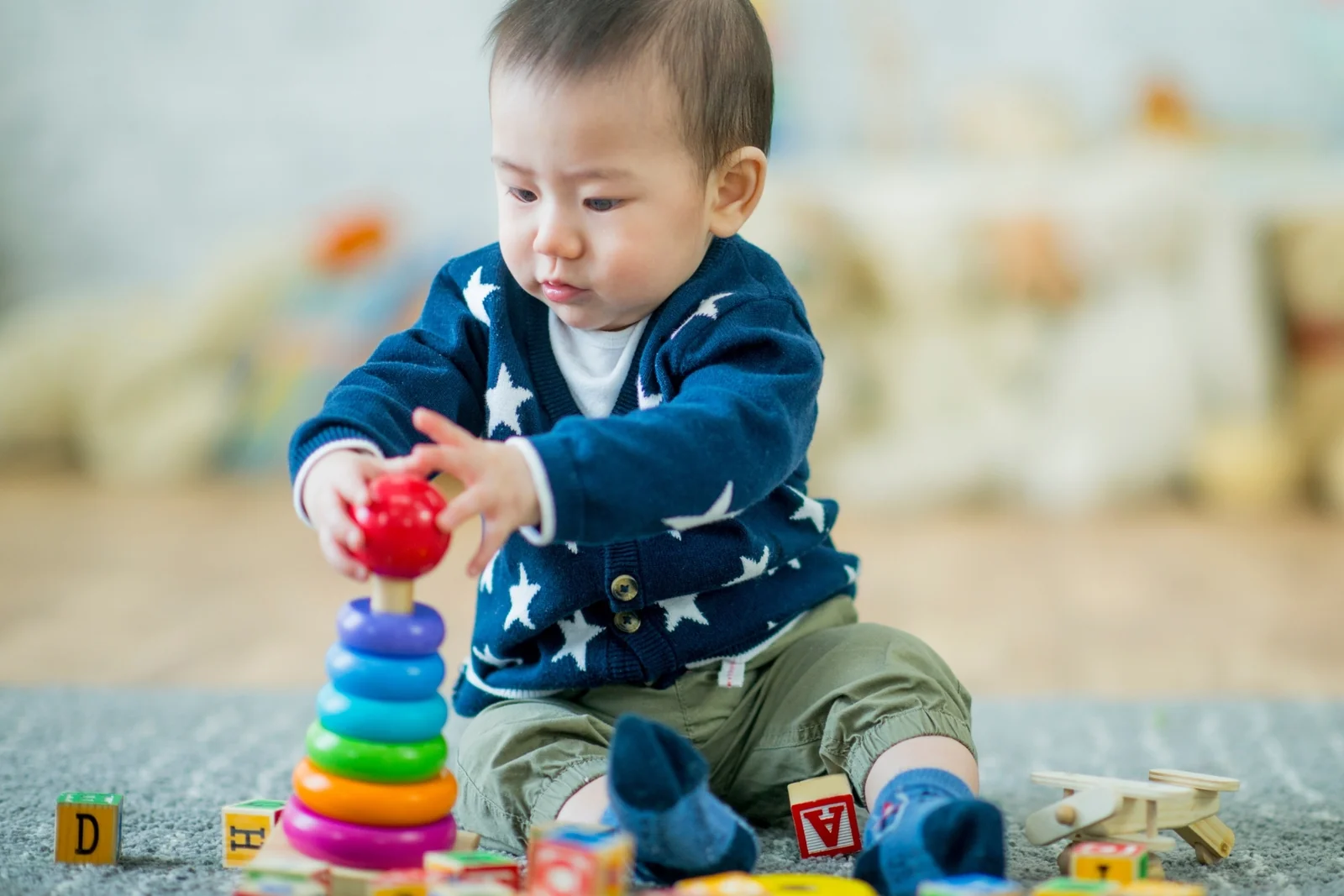
Stepping in while they’re concentrating. Your baby is working a ring onto a peg, it won’t go on, and your hand is already moving. That “passive” influence Montessori wrote about is meant for exactly this moment. Give it a few more seconds than feels comfortable. The exception is safety: if something is going into a mouth that shouldn’t, or your baby is heading toward a hazard, step in right away.
 Save
Praising in the middle. A cheerful “Good job!” halfway through can be the thing that ends the play, because now your baby is looking at you instead of the toy. Save your words for when they look up on their own.
Fixing how they play. If your baby is banging two stacker rings together, that’s what they’re working on today. AMS describes guides in infant and toddler programs as there to “assist, not teach,” showing and modeling instead of correcting. It’s the same respect behind the wider Montessori parenting style, and it works on a living room rug just as well.
Swapping toys because you’re afraid they’re bored. I know this one well. Those new shelf toys I mentioned at the top stayed untouched for weeks while the coin box got all the attention. From the couch, repetition can look like boredom. Down on the floor, close enough to see their face, it usually looks a lot more like concentration.
Your hands in your lap might be the most useful thing in the room.
How observation changes your toy shelf
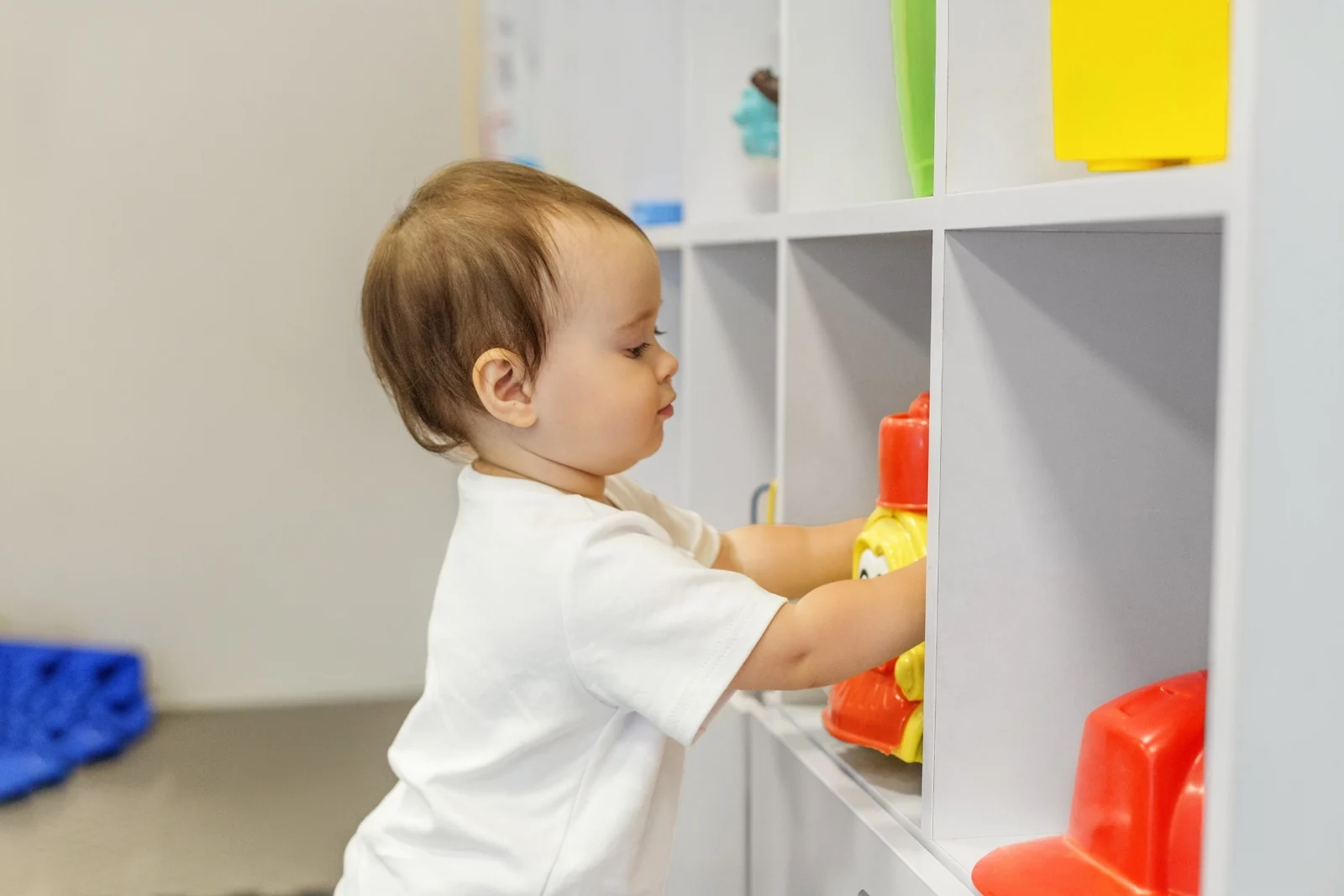
Once you’ve kept notes for a while, the toy shelf usually gets smaller: a few things within reach, picked from what your baby is working on, so they can choose for themselves and you can see what they choose.
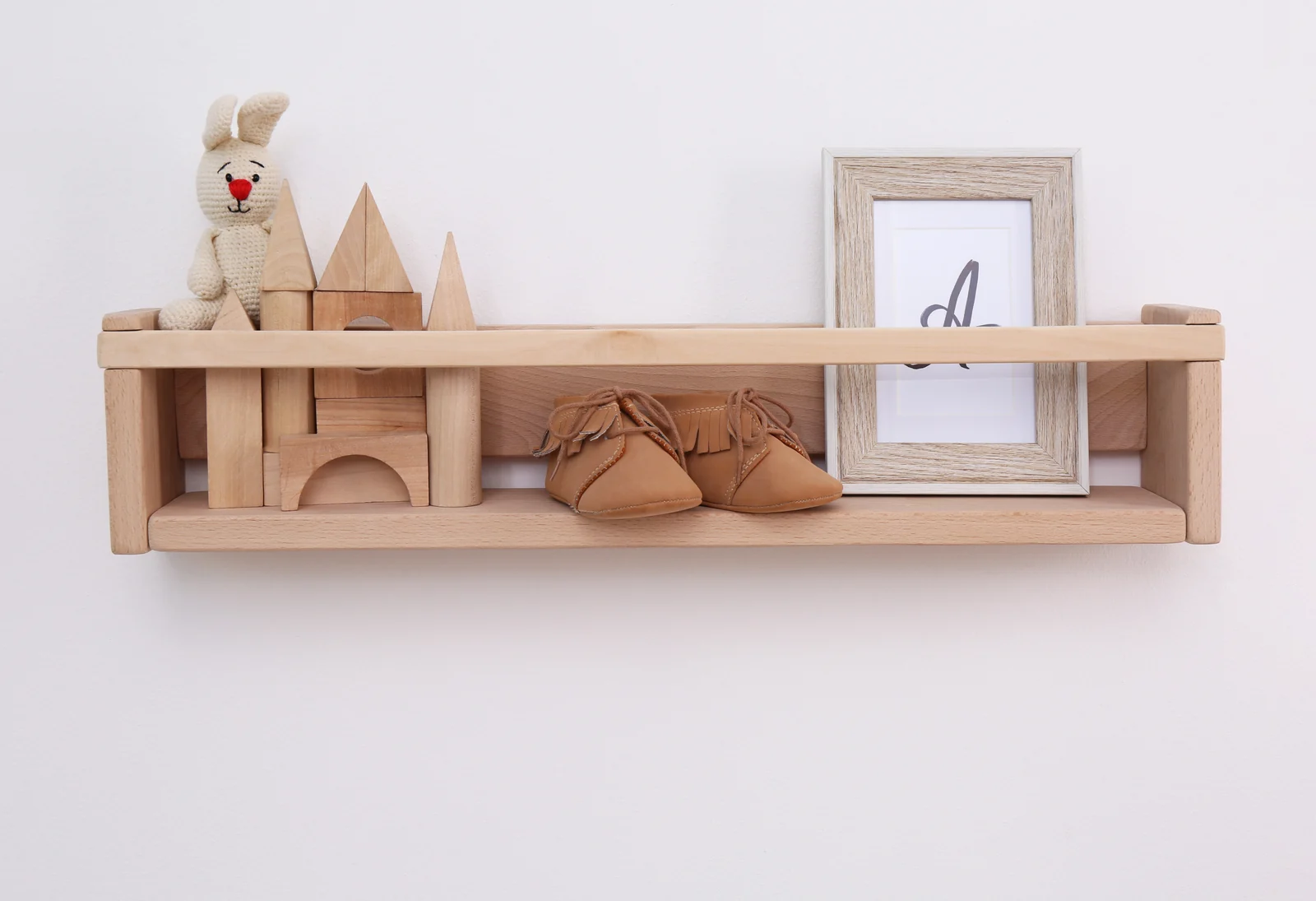
In Montessori terms, your shelf is part of the prepared environment, a space set up so your baby can reach, choose and do without help. AMS describes toddler spaces where materials are child-size and accessible, and where children are “given the time they need to complete whatever they start.” That last part is observation’s best friend.
 Save
Your notes make the shelf decisions easier. If they say your baby is repeating something, it stays. If a toy gets finished in seconds and dropped, it can go into the closet for now. If a new skill just showed up, one thing that uses it earns a spot. Interest ebbs and flows, so a toy that goes away today can come back later and feel brand new.
There’s no calendar to follow here. Your journal tells you when, and toy rotation is simply that same decision made on purpose, a few toys at a time.
 Save
That’s the habit in four words: watch first, then offer. And when you’re ready to pick the next thing for that shelf, it helps to start from what fits your baby’s age right now.
Frequently Asked Questions
How do I write a Montessori observation?
Write a Montessori observation in plain words, right after you watch: the time, what your baby chose, what they repeated, when they stopped and how they seemed. Describe the movement before you explain it. “Pushed the ball under the chair four times” gives you more to work with tomorrow than “loves balls.”
How did Maria Montessori use observation?
Maria Montessori used observation as the starting point for teaching. She wrote that the teacher should be “a passive, much more than an active, influence,” and she watched children closely enough to count their repetitions. AMI’s glossary describes Montessori guides as trained in observation techniques, so they can help each child based on what they see.
How often should I observe my baby?
Observe your baby for one ten-minute session on the days you can manage it, plus an extra look whenever something changes, like a new skill or a toy that suddenly gets ignored. That’s my suggestion, not a rule, and classrooms set their own routines. Skipping a hard day costs you nothing.
Conclusion
You don’t need a special notebook or a free afternoon to start. Tonight or tomorrow morning, sit on the floor for ten minutes with your phone in another room, and write three lines when you’re done. You’ll probably notice one thing you’d have missed from the couch, and that one small thing is your next step.
If your baby picks the same toy again tomorrow, let them. You’re learning to read them, and you’ve already started.
Miri
Fewer toys, deeper play.
Further Reading & Resources
See all 18 sources
- Montessori and observation: Observation and Montessori Great Ideas (AMI Montessori Archives) · The Montessori Method (Maria Montessori, 1912, Project Gutenberg) and chapters V and XII (UPenn Digital Library)
- American Montessori Society: Montessori Infant and Toddler Programs (2025) · Planes of Development and Sensitive Periods (2024)
- CDC milestones: 2 months · 6 months · 9 months · 1 year · 18 months · 2 years
- Toddler behavior: Aggressive Behavior in Toddlers (ZERO TO THREE, 2025)
- Small parts safety: Small Parts FAQ (CPSC) · 16 CFR 1501.1 and 16 CFR 1501.4 (Cornell Legal Information Institute)
- Real parents: My 4-year-old keeps choosing the same two matching and sorting activities (r/Montessori, 2026)