
When I was pregnant with Will, I wanted to be a well-read mom. So I went straight to the source and bought two books by Maria Montessori herself, The Absorbent Mind and The Secret of Childhood. I taught myself Montessori from books, and this is the honest version of how that went.
One of those two books beat me. The ones that actually changed our days came later, when Will was a toddler and I was tired.
 Save
SaveIf you’re expecting and trying to pick a first Montessori book, the lists out there run long, and most of them won’t tell you which one you’ll actually finish on short sleep. One parent on r/Montessori, asking which two or three books to read before the baby came, put the feeling into words:
“I want to be as prepared as possible to do Montessori once my baby is here and I want to do it the right way.”
A parent on Redditr/Montessori thread (2025)
I wanted that too. What I learned the slow way is that you need far fewer books than those lists suggest, as long as you pick the right one for the stage you’re in.
For the bigger picture of Montessori at home, there’s a separate starter guide. This post stays with the books: what I read and when, the one I put down, a table of who each book fits by age, and the titles other parents keep recommending.
The Montessori books I bought while pregnant
While pregnant with Will, I bought two books written by Maria Montessori herself, The Absorbent Mind and The Secret of Childhood. To me, both were the theory books.
Going to the source felt like what a well-read mom would do. If you’d like to know who she was before you open her books, I wrote about Maria Montessori’s life and work in a separate post.
The phrase in that first title is one you’ll keep running into. The Association Montessori Internationale (AMI) describes the absorbent mind as a sensitivity that lets a child take in experiences, relationships and images quickly and effortlessly. Only children from birth to six have it, and from birth to about three they absorb without even being aware of it. I go deeper into that idea in the post on the planes of development.
 Save
SaveWhy did I put down The Absorbent Mind?
The Absorbent Mind is the one Montessori book I never finished. It’s academic and philosophical, which makes it worth reading when you want depth, and it’s the same reason it didn’t work for me on very little sleep.
I’d open it with the best intentions and make it about two pages before I nodded off. That kept happening until I finally put it down for good.
Honestly, I don’t blame the book. It’s written as philosophy, and philosophy asks for a rested brain. I was running on empty. What I needed back then was something I could try the next morning, and that’s a different kind of book. The Absorbent Mind is good for understanding the ideas deeply, and if you love the “why” and have a calm stretch before your baby arrives, it may suit you better than it suited me.
A book you can finish half-asleep will do more for your days than one you admire from across the room.
 Save
SaveWhy is The Montessori Toddler the book I kept rereading?
Simone Davies wrote The Montessori Toddler (Workman, 2019) as a parent’s guide for one- to three-year-olds, and I reread it more than any other book. It was easy to read, and I could put it into practice right away.
When Will hit the toddler years, I was tired, and the tantrums were starting. The theory books went away. This one stayed out.
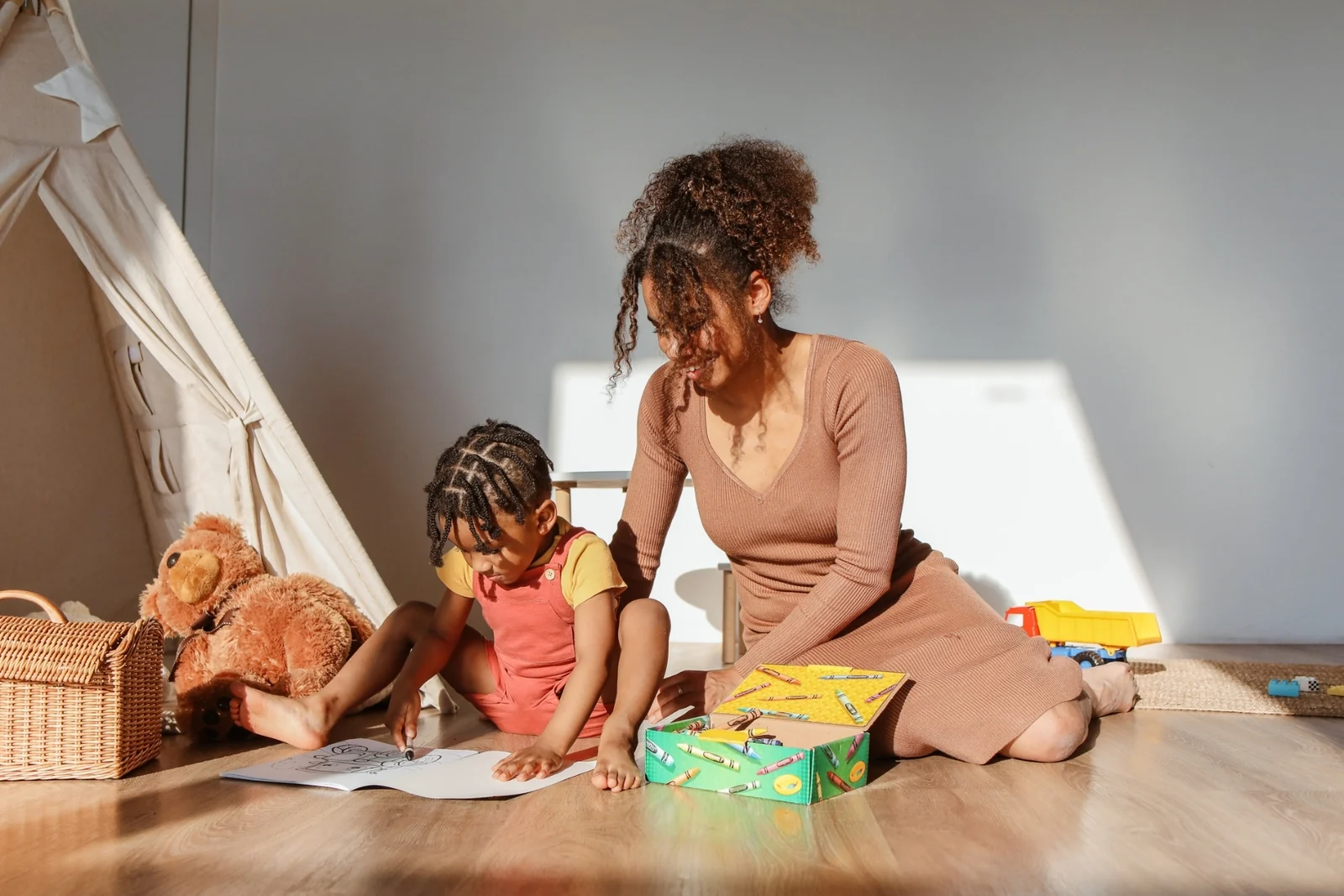
What I remember most is how readable it was: bullet points, lots of pictures, nothing I had to decode. I remember it showing me how high to set a toy shelf, how to set up a toddler’s bedroom, and what to say in the middle of a meltdown. I’d read a section and actually do something with it that day. In the middle of the toddler years, that’s the kind of help that sticks.
 Save
SaveIf you’re pregnant now, you can buy it and let it wait until your baby’s first birthday is in sight. If your child is already walking, I’d start here.
 Save
SaveWhen you’re tired and your toddler has hit the terrible twos, reach for the book you can use today. I put my theory books away for those years and leaned on the practical ones, and that’s what got us through.
Miri’s Tip
What was my “lifesaver” activity book?
My lifesaver was a book of 100-ish Montessori activities built around kitchen things like baskets, spoons and clothespins. Whenever I ran out of ideas, it gave me something to set up without buying any special materials.
I honestly can’t remember the title or the author, and a few books out there have nearly the same name, so I won’t send you to one on a guess.
What I can tell you is why it worked. On a day when I had nothing left in the idea tank, I could open it and get Will something new to do. Baskets, spoons, clothespins and dried beans became hand practice, and I didn’t pay a cent for materials. If that sounds like what you need, I put together free Montessori activities that use what’s already in your kitchen, along with how to check whether something is too small for your child.
Dried beans are small, hard and round, which makes them a choking hazard for babies and toddlers. The Centers for Disease Control and Prevention (CDC) lists whole beans among the foods to avoid for young children. If an activity uses them, sit right beside your child the whole time, and put every bean away when you’re done.
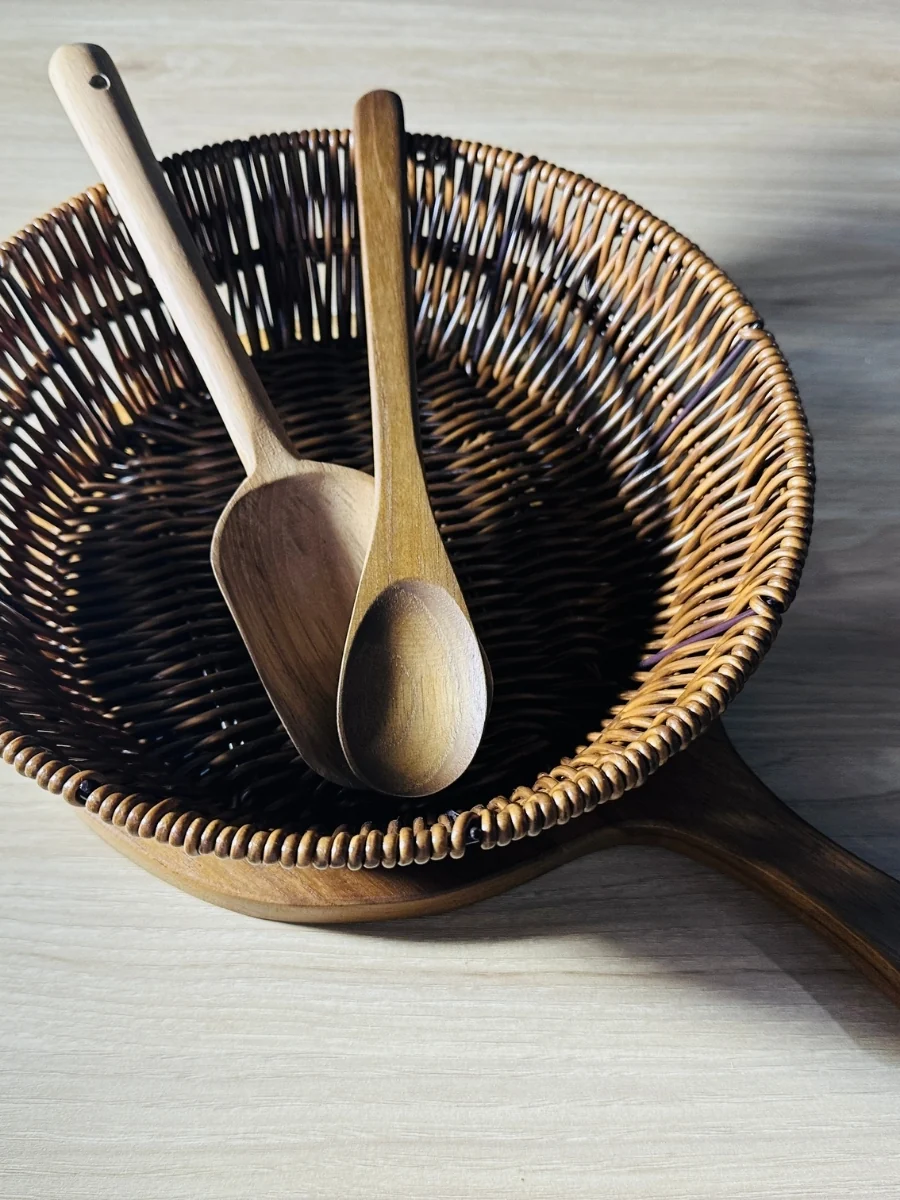
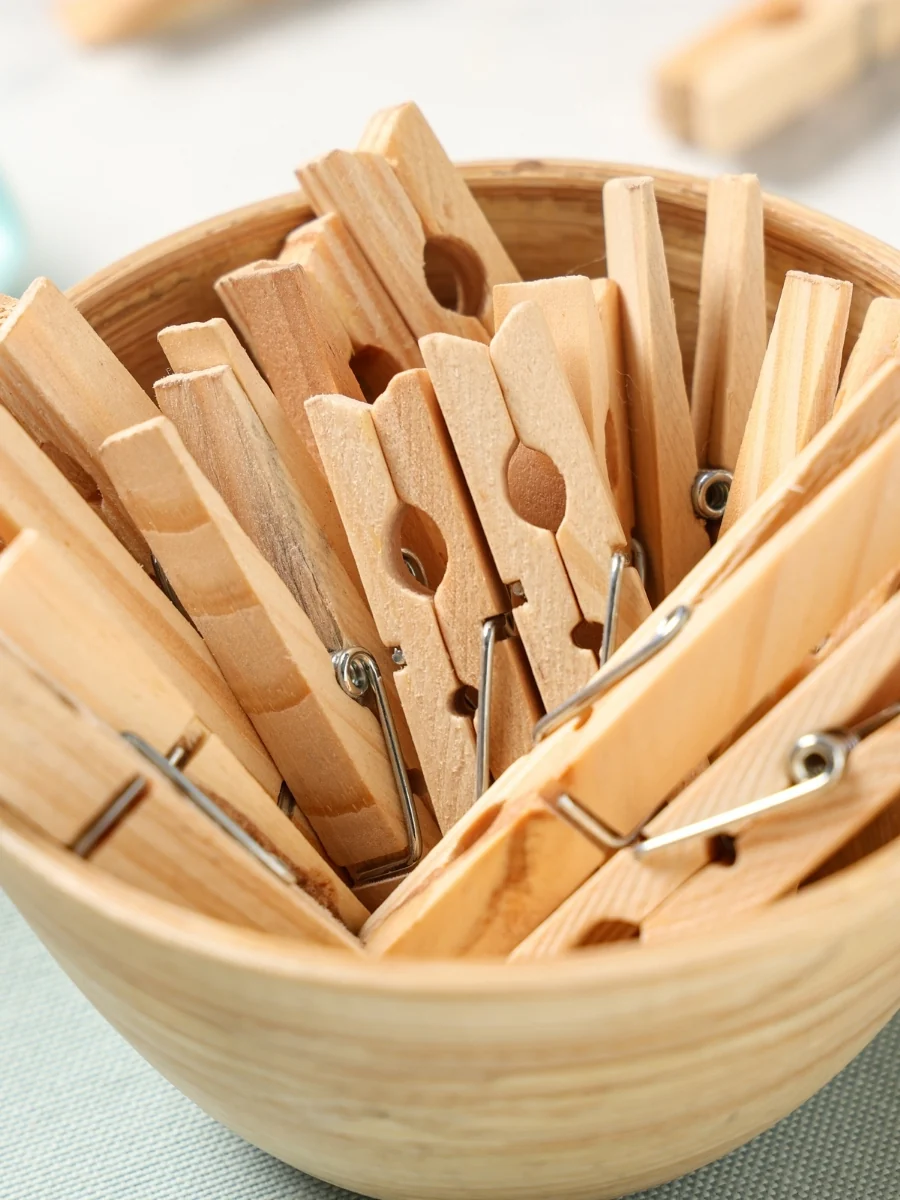
Baskets and spoons from the kitchen drawer count as Montessori materials. A bowl of wooden clothespins is real hand work waiting to happen, and it costs almost nothing.
Montessori books for parents at a glance
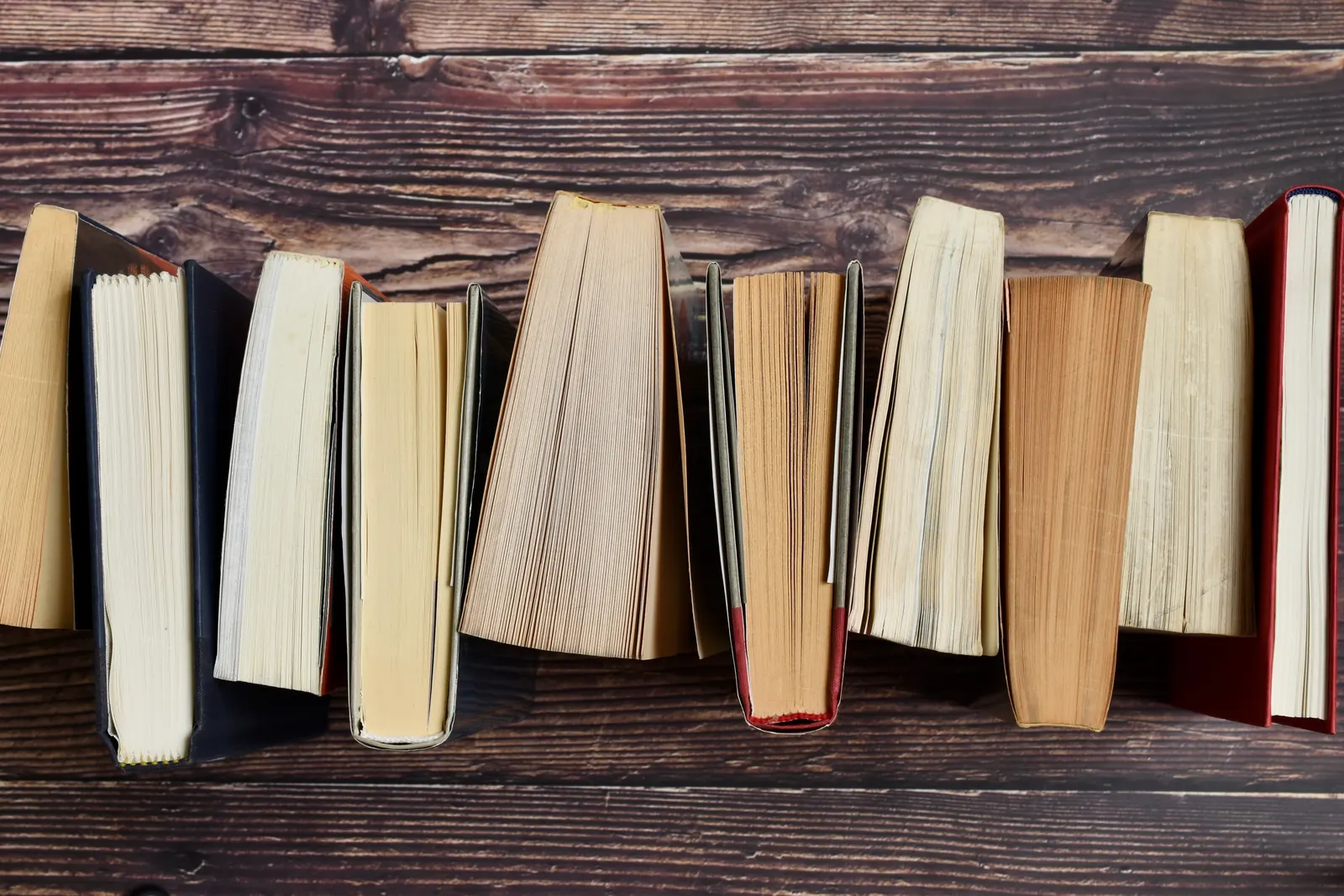
Ten books made the table below, from Maria Montessori’s own writing to parent guides. I’ve read or tried to read three. For the other seven, the ages come from the publisher or another source, so you can tell my experience from the cover copy.
Many lists of the best Montessori books for parents leave out what age a book is written for, and that’s the column that tells you whether to buy now or later. At Moje Montessori, we lined up the titles that come up most often, with the age range each source gives and a plain note on whether I’ve read it.
| Book | Who it fits | Ages (publisher) | Kind of book | When I read it |
|---|---|---|---|---|
| The Montessori Toddler, Simone Davies (2019) | Parents of a toddler who want ideas to try today | 1–3 | Practical guide | With Will, ages 1–3; reread often |
| The Absorbent Mind, Maria Montessori | Parents who want the ideas in depth and have time to read slowly | Not stated | Theory | Pregnant with Will; didn’t finish |
| The Secret of Childhood, Maria Montessori | Parents who want Montessori in her own words | Not stated | Theory | Pregnant with Will |
| The Montessori Baby, Simone Davies & Junnifa Uzodike (2021) | Expecting parents, parents of a baby under 1 | Birth–1 | Parent guide | Haven’t read |
| Montessori from the Start, Paula Polk Lillard & Lynn Lillard Jessen (2003) | Parents with a baby or toddler at home | Birth–3 | Parent guide | Haven’t read |
| Babies Build Toddlers, Mariana Bissonnette | Families with a baby up to 18 months | Infants to 18 months (per review) | Parent guide | Haven’t read |
| How to Raise an Amazing Child the Montessori Way, Tim Seldin (2nd ed., 2017) | Families who want one book from birth through the preschool years | Birth–6 | Parent guide | Haven’t read |
| Positive Discipline: The First Three Years, Jane Nelsen, Cheryl Erwin & Roslyn Ann Duffy (4th ed., 2026) | Parents who want a discipline book for the baby and toddler years | First three years (title) | Positive Discipline, a separate approach | Haven’t read |
| The Montessori Child, Simone Davies & Junnifa Uzodike (2024) | Later, once your child turns 3 | 3–12 | Parent guide | Haven’t read |
| The Montessori Method, Maria Montessori (1912) | Curious readers who want the original, free | About 3–6 (her Children’s Houses) | Original writing | Haven’t read |
A few notes on the rows I can’t vouch for myself. Tim Seldin’s publisher, DK, describes him as President of the Montessori Foundation and Chair of the International Montessori Council. For Babies Build Toddlers, by Mariana Bissonnette, the age range comes from a review on montessori.org, which describes it as written for families with babies up to 18 months and built around a plant analogy for how a baby builds the toddler.
 Save
SaveWhat are the best Montessori books, according to other parents?
Parents trading reading lists online often name the same few: The Montessori Baby, The Montessori Toddler, The Absorbent Mind and Tim Seldin’s guide for birth to six. Three more turn up in their recommendations, and all three are in the table above.
The parent from r/Montessori quoted at the top of this post settled on The Montessori Baby, The Absorbent Mind and Seldin’s book to read before the birth. They planned to save The Montessori Toddler for later, along with Hunt, Gather, Parent, which they’d read “with a huge scoop of salt.”
Three more titles turn up when parents swap recommendations. Montessori from the Start, by Paula Polk Lillard and Lynn Lillard Jessen, covers the child at home from birth to age three, according to its publisher, Schocken. Babies Build Toddlers focuses on the first 18 months. And Positive Discipline: The First Three Years is a Positive Discipline book, a different approach from Montessori. Its publisher lists dealing with sleep issues, tantrums and defiance among its topics, so if tantrums are the worry at your house, that list may sound familiar.
 Save
SaveWhich Montessori book should you read first?
Match the book to the stage you’re in right now. Pregnant: The Montessori Baby or Montessori from the Start. Toddler at home: The Montessori Toddler. Curious about the roots: The Absorbent Mind, or the free Montessori Method.
Sorted by stage, it looks like this:
- Pregnant, or with a newborn: The Montessori Baby (birth to 1) or Montessori from the Start (birth to 3). I haven’t read these two, so I’m going by the ages their publishers give.
- Baby nearing one, or a toddler at home: The Montessori Toddler. It’s the one I’d hand a friend.
- Curious about the roots: The Absorbent Mind, or The Montessori Method, which is free to read online. Save them for a week when you’re sleeping better.
- Child turning 3: The Montessori Child, written for ages 3 to 12.
One book from the right row is plenty. And if you’re still deciding whether Montessori fits your family at all, I laid out the pros and cons of Montessori in another post, the parts that worked for us and the parts we skipped.
Can you read Montessori books for free?
Yes. A handful of Maria Montessori’s own books are free to read legally on Project Gutenberg, including The Montessori Method from 1912, which describes her Children’s Houses for children about 3 to 6.
If you went looking for Montessori books for parents as a free PDF, start with Project Gutenberg’s page for Maria Montessori. It lists five of her titles: Spontaneous Activity in Education, The Montessori Method, Dr. Montessori’s Own Handbook, The Montessori Elementary Material and Pedagogical Anthropology.
Two of those are the most useful background for a parent. The Montessori Method, translated by Anne E. George, and Dr. Montessori’s Own Handbook are both about her Children’s Houses, so they describe a classroom for children roughly 3 to 6, and the handbook stretches to 7 in places. That’s a little ahead of where your baby is. The Montessori Elementary Material is written for older children still.
The two books I bought while pregnant aren’t on that list, so I can’t point you to a free copy of either. I’d stick to Gutenberg’s own pages so you know the copy you’re reading is a legal one.
 Save
SaveWhat about books for your baby?
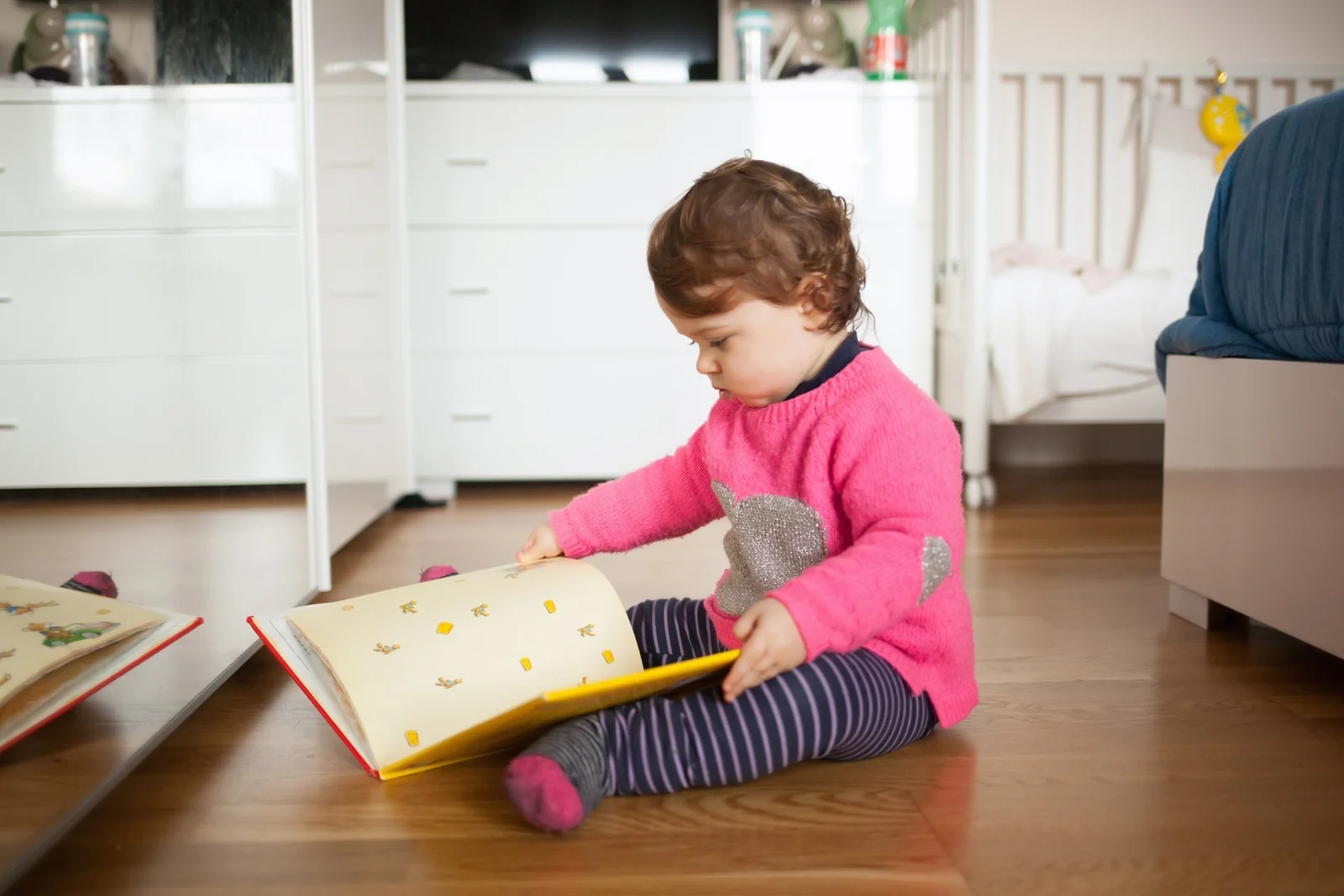
Books for your baby belong on a different shelf from the ones in this post. Everything above is written for you, the grown-up, while the sturdy board books your baby holds, chews and points at are a topic of their own.
I’m covering how to choose board books for babies in a separate guide.
 Save
SaveWhat I’d do differently
If I did it again, I’d start with a hands-on book and save Maria Montessori’s own writing for a season with more sleep. The practical books are the ones I actually used; the theory can wait until the basics feel easy.
Going to the source first made sense to me at the time. Looking back, I just had the order backward. The hardest reading came when I had the least energy for it, and the books I leaned on only showed up once I needed help fast.
Frequently Asked Questions
What are the top two or three Montessori books I should read before my baby is born?
Before your baby is born, look at The Montessori Baby or Montessori from the Start, both written for the years from birth. I haven’t read either, so I’m going by their publishers’ age ranges. Add The Montessori Toddler for when your baby nears one. It’s the one I reread most.
Conclusion
One Montessori book is plenty to begin with, as long as it’s one you’ll actually open. Pick the one that matches the stage you’re heading into, read a chapter when you can, and try one small idea the same week. The rest of the shelf will still be there when you’re ready for it.
The fact that you’re reading up before your baby even arrives says a lot. Pick one book this week, and let that be enough for now.
Miri
Fewer toys, deeper play.
Further Reading & Resources
See all 13 sources
- Publishers: The Montessori Toddler, The Montessori Baby and The Montessori Child (Hachette Book Group / Workman) · Montessori from the Start and Positive Discipline: The First Three Years, Fourth Edition (Penguin Random House) · Tim Seldin’s Montessori Way book, 2nd Edition (DK)
- Safety: Choking Hazards (Centers for Disease Control and Prevention, CDC)
- Montessori background: Glossary: Absorbent Mind (Association Montessori Internationale, AMI) · Infant & Toddler brochure (American Montessori Society, AMS)
- Free to read: The Montessori Method and Books by Maria Montessori (Project Gutenberg)
- Reviews: Book review: Babies Build Toddlers (montessori.org)
- Real parents: What are the top two or three Montessori books I should read before my baby is born? (r/Montessori)