

All the babyproofing we did to make a safe space for Will came to about $150, by my own rough estimate. The best money in that pile was an anti-tip kit for about $15. The American Academy of Pediatrics (AAP) puts anti-tip devices at roughly $5 to $25, as of its 2021 page on tip-overs, and says they take just minutes to install. Its reasoning is simple: you can’t always stop a young child from climbing, but you can stabilize the furniture that could hurt them.
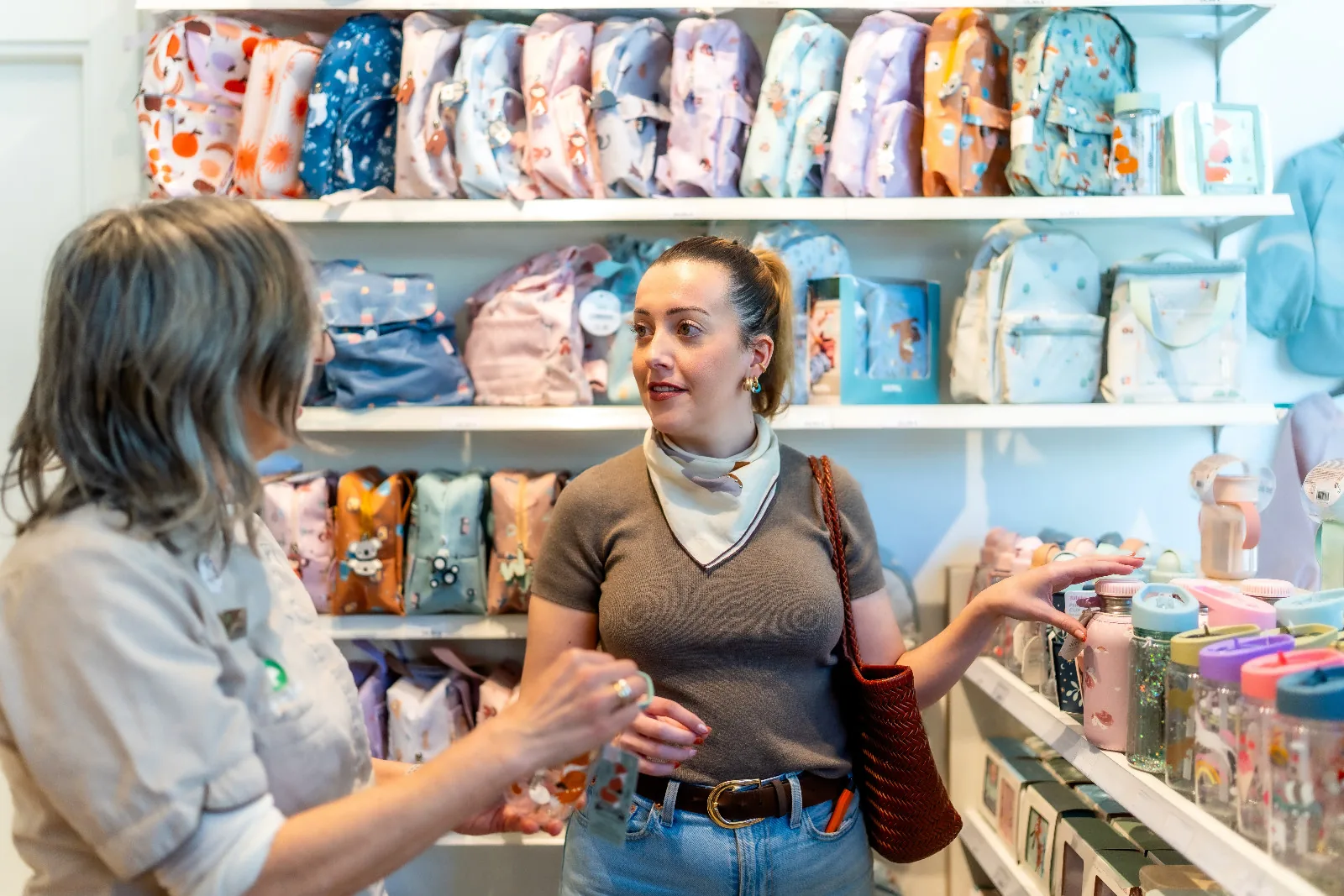
Then there’s everything else. Toilet locks, fridge locks, door knob covers, corner cushions, cabinet latches sold by the dozen, all in a cart that keeps growing. On a tight budget, every item starts to feel like a test. Leave one out and you worry it was the important one. Buy them all and the money comes out of diapers and groceries.
 Save
This is the money side of babyproofing a Montessori home: what’s worth buying, what depends on your house, what parents often skip, the mistakes that are easy to make when you’re trying to spend less, and a cheaper order to do it all in.
Anchors on furniture that could tip, stair gates mounted into the studs, and locks on the cabinets holding cleaners and medicine, because the AAP recommends all three for families with young children.
You’re about to buy a full babyproof kit before your baby can crawl. Wait, and buy each piece when the skill that needs it shows up.
Babyproofing essentials: worth it, depends, often skipped
Babyproofing essentials are the few fixes that prevent injuries you can’t take back: furniture tipping over, falls on the stairs, poisoning, outlets, cords and water. Bumps and bruises sit much lower on the list.
Parents have argued about this for years. When a first-time mom on The Bump asked which babyproofing was actually necessary, one reply laid out two ways to approach it: babyproof only what could hurt or kill a child, however unlikely it seemed, or babyproof that plus everything you don’t want ruined.
Parents who’ve lived through the climbing years tend to land in the same place. Bonks and bruises happen. Poisonings and tip-overs are what you spend money preventing. At Moje Montessori, we sorted the table below that way and checked every row against what pediatricians and the U.S. Consumer Product Safety Commission (CPSC) recommend, so nothing they recommend sits in the “often skipped” group.
| Item | What it prevents | Verdict | In our home |
|---|---|---|---|
| Anti-tip kit for furniture | Furniture tipping onto a climber | Worth it | About $15, our best buy |
| Gates mounted into the studs, top and bottom of stairs | Falls on the stairs | Worth it | — |
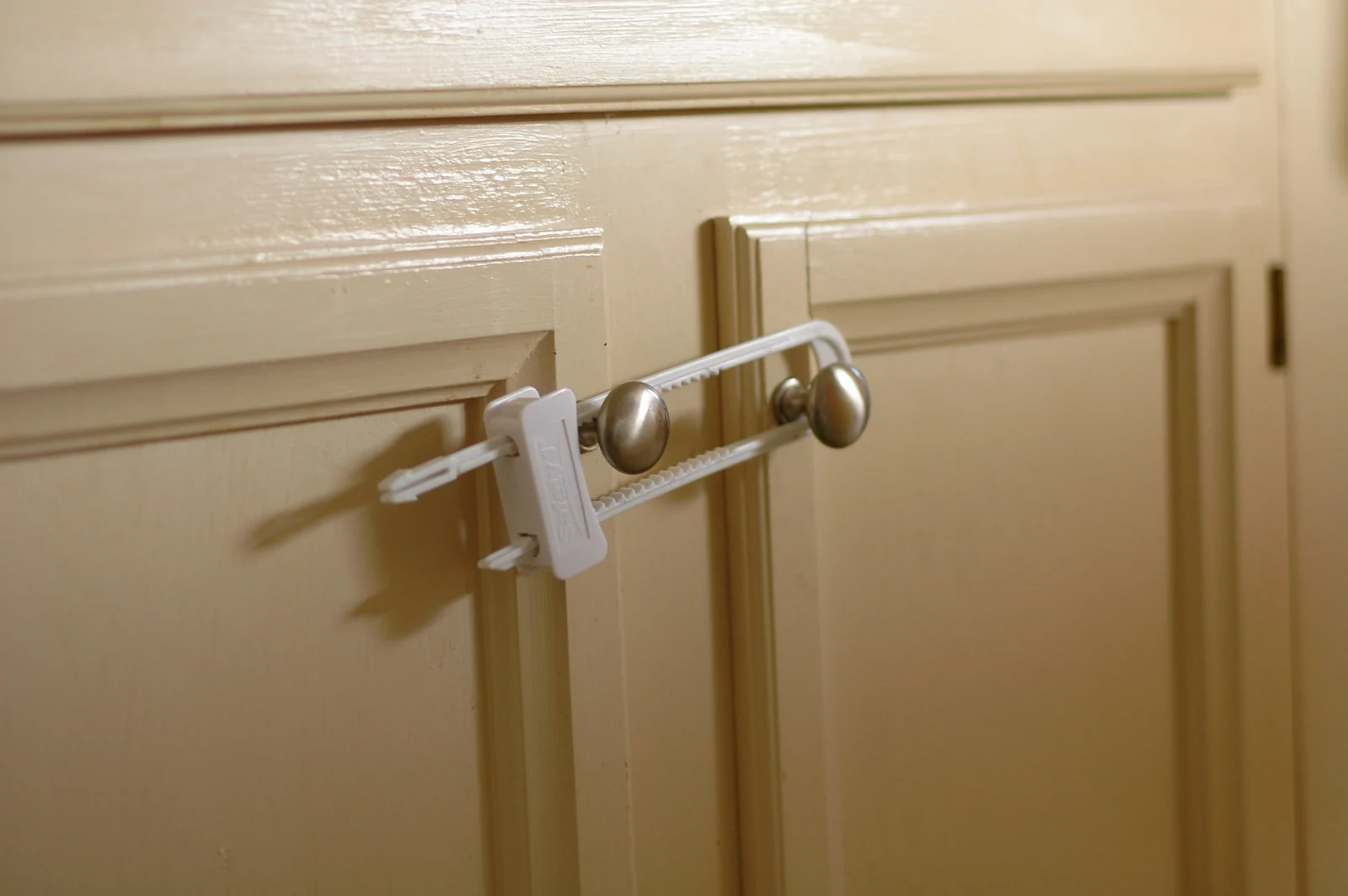
| Locks on cabinets with cleaners or medicine | Poisoning | Worth it | Magnetic lock set, about $20, on the cleaning cabinet |
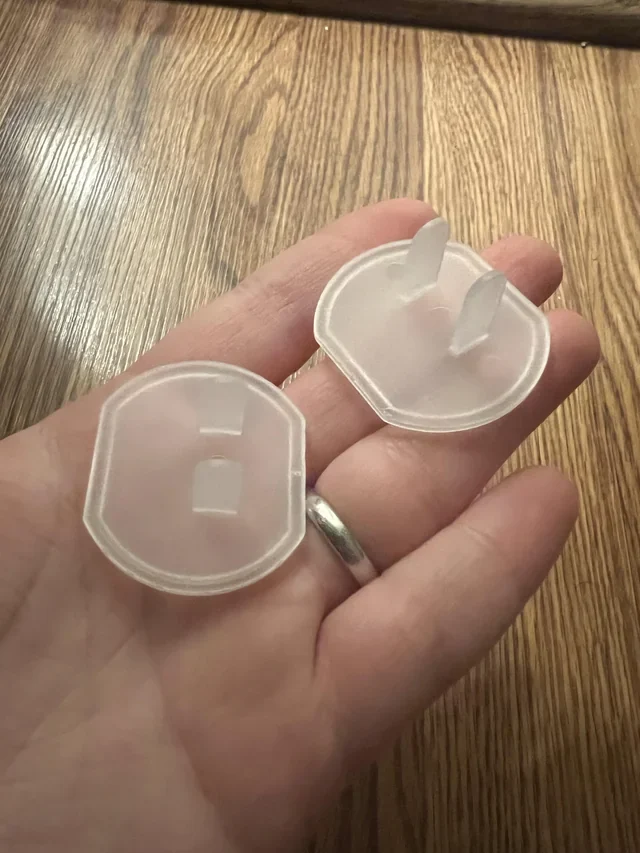
| Plugs or covers for unused outlets (not a choking hazard themselves) | Fingers or toys in the outlet holes | Worth it | Clear outlet covers, about $10 |
| A fix for corded blinds | Cords that can form a loop | Worth it | Cord cleats, about $5 (see the mistakes below) |
| Button batteries put away | A swallowed battery | Worth it | — |
| Corner and edge guards | Bumps on hard edges | Depends on your home | About $10, pulled off in under two days |
| Toilet lid lock | A toddler getting into toilet water | Depends on your home | Skipped; the bathroom door stays closed |
| Trash can lock | A toddler in the trash | Depends on your home | — |
| Door knob covers | A toddler wandering into a room with hazards | Depends on your home | — |
| Professional babyproofer | A layout you can’t sort out alone | Depends on your home | — |
| Full babyproof kit before your baby moves | Pieces you may never use | Often skipped | — |
| Fridge locks | Mostly grown-up hassle, in one Montessori parent’s view | Often skipped | — |
| Locks on cabinets with nothing dangerous inside | Little, once the cleaners are locked away | Often skipped | Magnetic locks on the cleaning cabinet only |
The “In our home” column is our own tally, and the prices are my after-the-fact estimates, so read every one as “about.” Four inexpensive things did most of the work: the anti-tip kit, clear outlet covers, cord cleats for the blinds, and a magnetic lock set on the cabinet with our cleaning supplies.
 Save
Babyproofing products that depend on your home
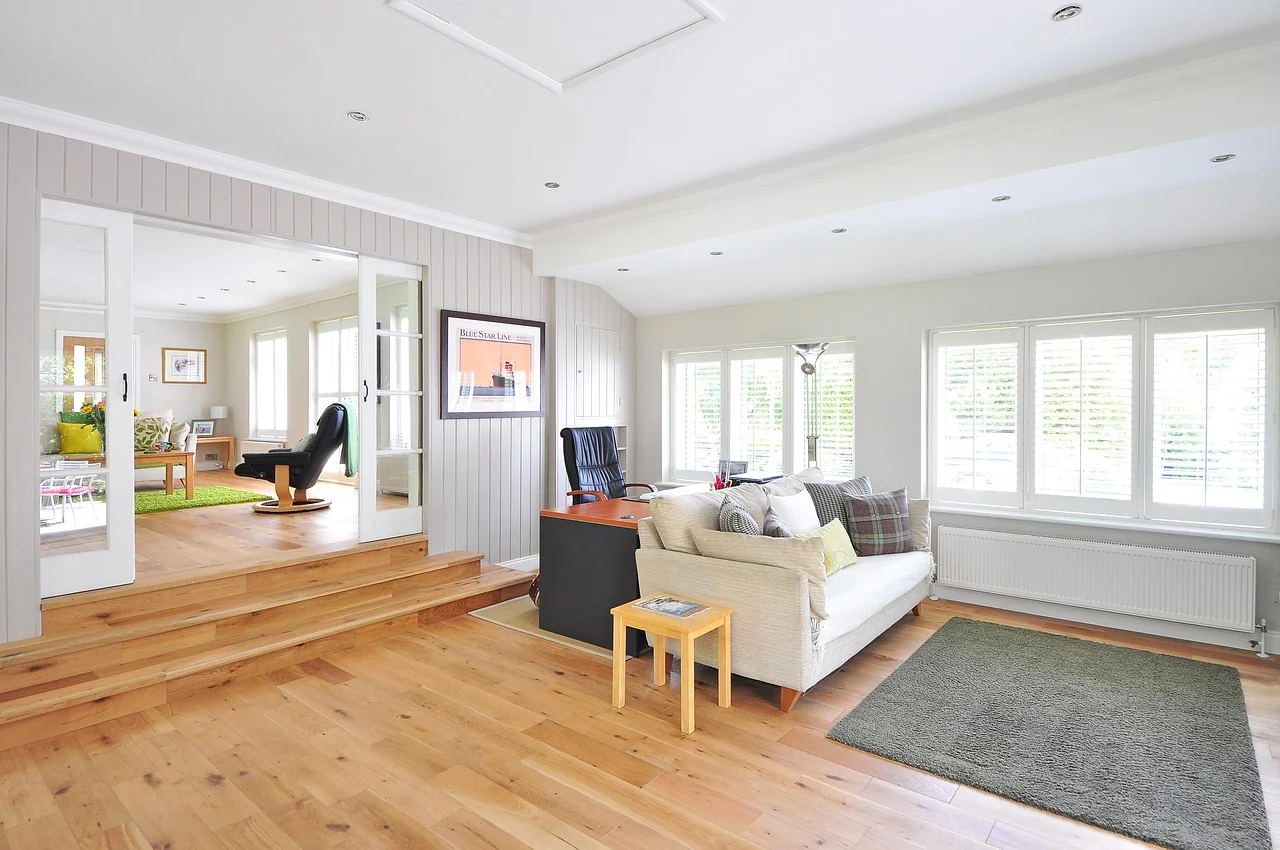
Corner guards are the classic maybe. The AAP calls coffee tables a particular hazard and suggests moving furniture with hard edges and sharp corners out of the walkways if you can, especially while your child is learning to walk. Cushioned corner and edge protectors that stick onto the furniture are its fallback. Moving the table costs nothing, so try that first.
The AAP is plain about the toilet lid lock. Its bathroom page says to get in the habit of closing the lid and to get a lid lock, and it suggests a latch at adult height on the bathroom door so your toddler can’t get in when you aren’t around. We skipped the lock and kept the door closed, which is why I’ve filed it here. If you skip it too, the water rules further down have to hold every time.
Door knob covers and trash can locks belong here too. The CPSC’s Childproofing Your Home says door knob covers and door locks can help keep children away from places with hazards, and your toddler will show you soon enough whether you need either one. And if your house has more than you can sort out alone, help exists: the International Association for Child Safety (IAFCS) describes itself as a network of child safety professionals and babyproofers.
 Save
Is a babyproof kit worth it? The real math
Spend first on the cheap fixes that prevent the worst injuries, then buy each extra piece when your baby’s next skill shows up. A full babyproof kit bought before crawling mostly pays for pieces you may not need.
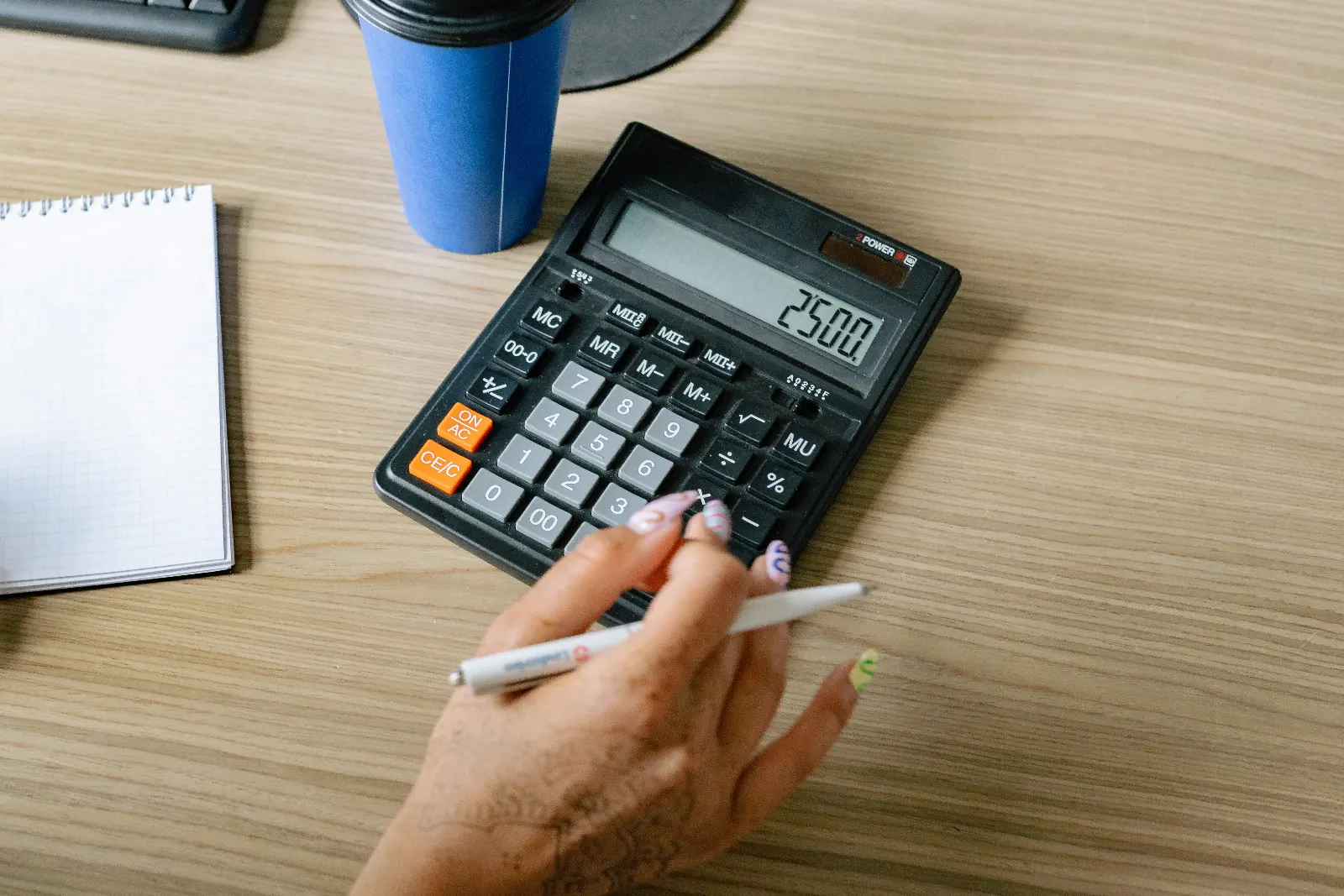
The accountant in me added it up afterward. Those four workhorses came to about $50: roughly $15 for the anti-tip kit, $10 for the outlet covers, $5 for the cord cleats and $20 for the magnetic locks. That’s about a third of our $150, and it covered tipping furniture, outlets, blind cords and cleaners. I didn’t track the rest item by item, so I won’t guess at it.
A boxed kit looks thrifty because each piece costs so little. But a low price per piece only helps for the pieces you use, and a latch on a cupboard full of dish towels is money spent protecting dish towels. I’m leaving out store prices because I couldn’t confirm current ones. If I were setting up for Jimmy, who’s due in March, the anti-tip kit would go in the cart first.
So save your money on anything that solves a problem your baby doesn’t have yet. If you’re stretching one budget across toys, furniture and safety, my breakdown of Montessori on a budget puts safety spending first for the same reason.
Anchor what can fall, gate the stairs, lock up the poisons, and let your baby show you the rest.
 Save
The tricky part is timing: buying each piece just before your baby needs it, without filling a cart with guesses months ahead.
Common babyproofing mistakes
The babyproofing mistakes that cost the most are easy to miss: accordion or unchecked secondhand gates, plastic or knockoff anchors, trusting child safety caps, counting on cord cleats, recalled hand-me-downs and skipping the toilet lock with no water rule.
Most of these happen while you’re trying to save money or time, which is exactly why they’re worth a second look on a budget.
An accordion gate, or a secondhand gate you haven’t checked. The AAP says to avoid accordion-style gates, which can trap an arm or a neck, and to use gates firmly mounted to the home’s studs. A hand-me-down gate has a label worth reading too: the CPSC requires a gate to meet the version of the safety standard (ASTM F1004) in force on its manufacture date, so check the date of manufacture. My guide to choosing a baby gate for stairs covers the rest.
Plastic anchors, or a bargain kit from a seller you don’t know. Plastic can become brittle over time and break, which is why the AAP suggests metal anchors such as L brackets. Its page also warns that counterfeit anchors turn up on some online sites and says to stick with known brand names, even if they cost a little more. This is the one line where I wouldn’t hunt for the lowest price.
Trusting the child safety cap. Pediatricians are blunt about this one: don’t depend on child safety caps to keep your child out of medicine bottles. Keep all medications out of reach, including the ones in your purse.
Treating cord cleats as the finish line. Ours cost about $5. The window covering industry’s Best for Kids label goes to products with no operating cords, as long as any inner cords are out of a child’s reach or can’t form a hazardous loop. Products that rely on breakaways, tie-downs or cleats don’t qualify.
Buying or selling recalled hand-me-downs. Secondhand saves real money, but the CPSC says selling a recalled product is unlawful, even if it’s in good shape, unless the recall fix has been applied. Before anything used comes home, check it against the recall lists.
Skipping the toilet lock with no water rule. We skipped ours and keep the bathroom door closed. A closed door is a habit, and habits slip on busy days, so if you skip the lock too, the rules below have to hold every time.
Children can drown in only a few inches of water, so never leave a young child alone in the bath, even for a moment. According to the Centers for Disease Control and Prevention (CDC), more children ages 1 to 4 die from drowning than from any other cause.
If you skip the toilet lid lock, the other bathroom habits carry the load: close the toilet lid every time and keep the bathroom door shut. The AAP also suggests a latch on that door at adult height, and says to be sure any lock on it can be opened from the outside.
 Save
The last mistake on my list is one I made myself.
I spent about $10 on soft rubber corner guards for our tables. In under two days, a teething Will had peeled one off and was chewing on it, and he nearly choked. I panicked, pulled every guard off, and since then I’ve been okay with a few small bumps.
Miri’s Tip
How do you babyproof on a budget?
Start by moving things, then buy: gather the cleaners into one locked cabinet, block the outlet your baby keeps visiting with furniture, shift the coffee table out of the walkway, and buy other babyproofing products as your baby crawls, walks and climbs.
Rearranging is free, and a lot of babyproofing turns out to be rearranging. In our kitchen, the magnetic locks went on the cleaning cabinet and nowhere else. This is the order I’d follow on a tight budget:
- Lock one cabinet and keep every cleaner in it. Pediatricians say to lock cabinets holding cleaning fluids. Medicine goes out of reach too, purse included.
- Use furniture you already own. Plugs go in unused outlets; the AAP suggests blocking the one your baby keeps visiting with furniture. Move the coffee table aside.
- Buy gates when crawling starts. That’s the AAP’s timing for the top and bottom of the stairs.
- Anchor even if you rent. The CPSC’s Anchor It! tells renters that covering anchor holes won’t be a problem. See my furniture anchors guide.
- Register for the basics. Anchors, plugs and a cabinet lock are easy asks for a Montessori baby registry.
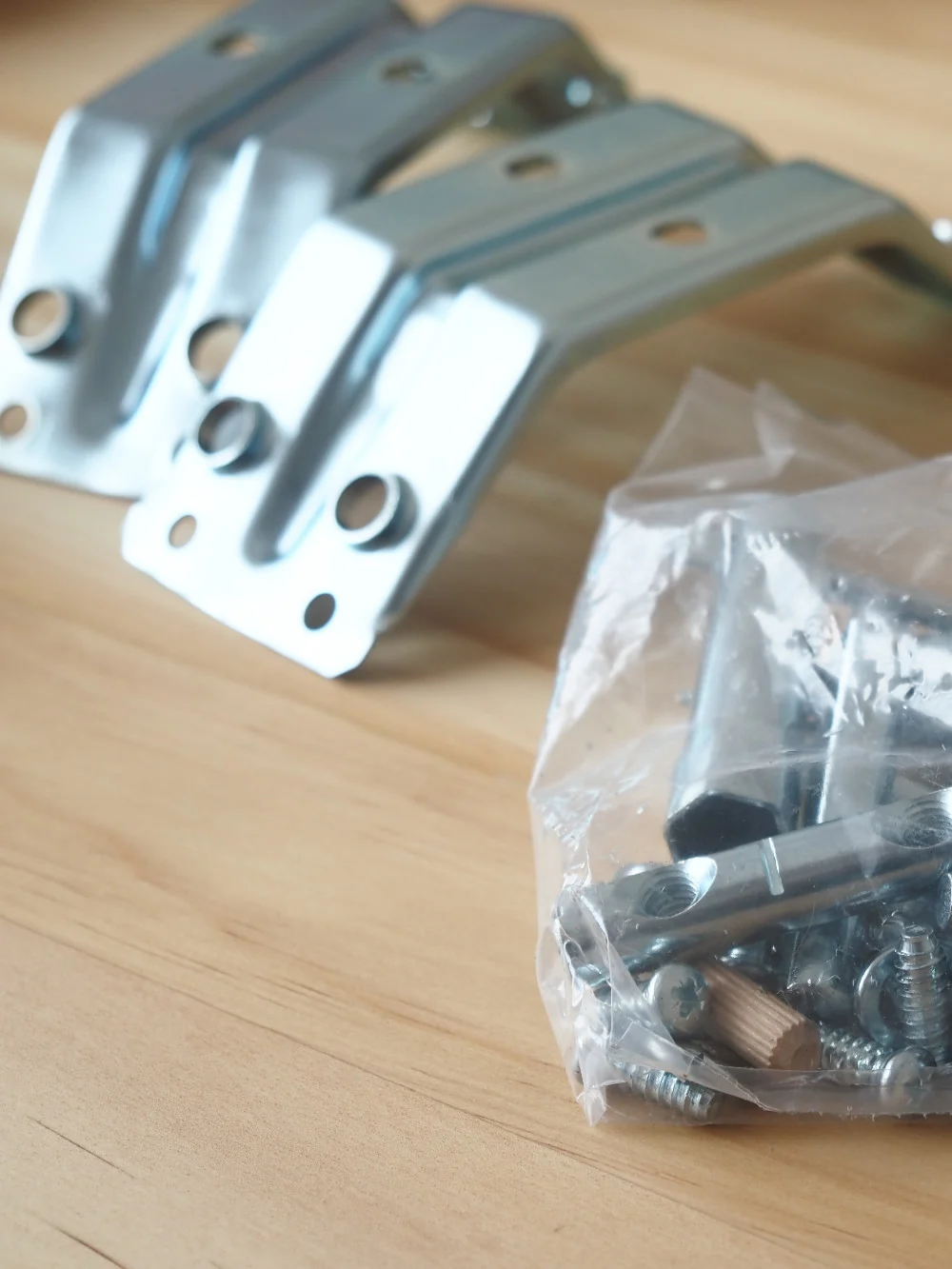
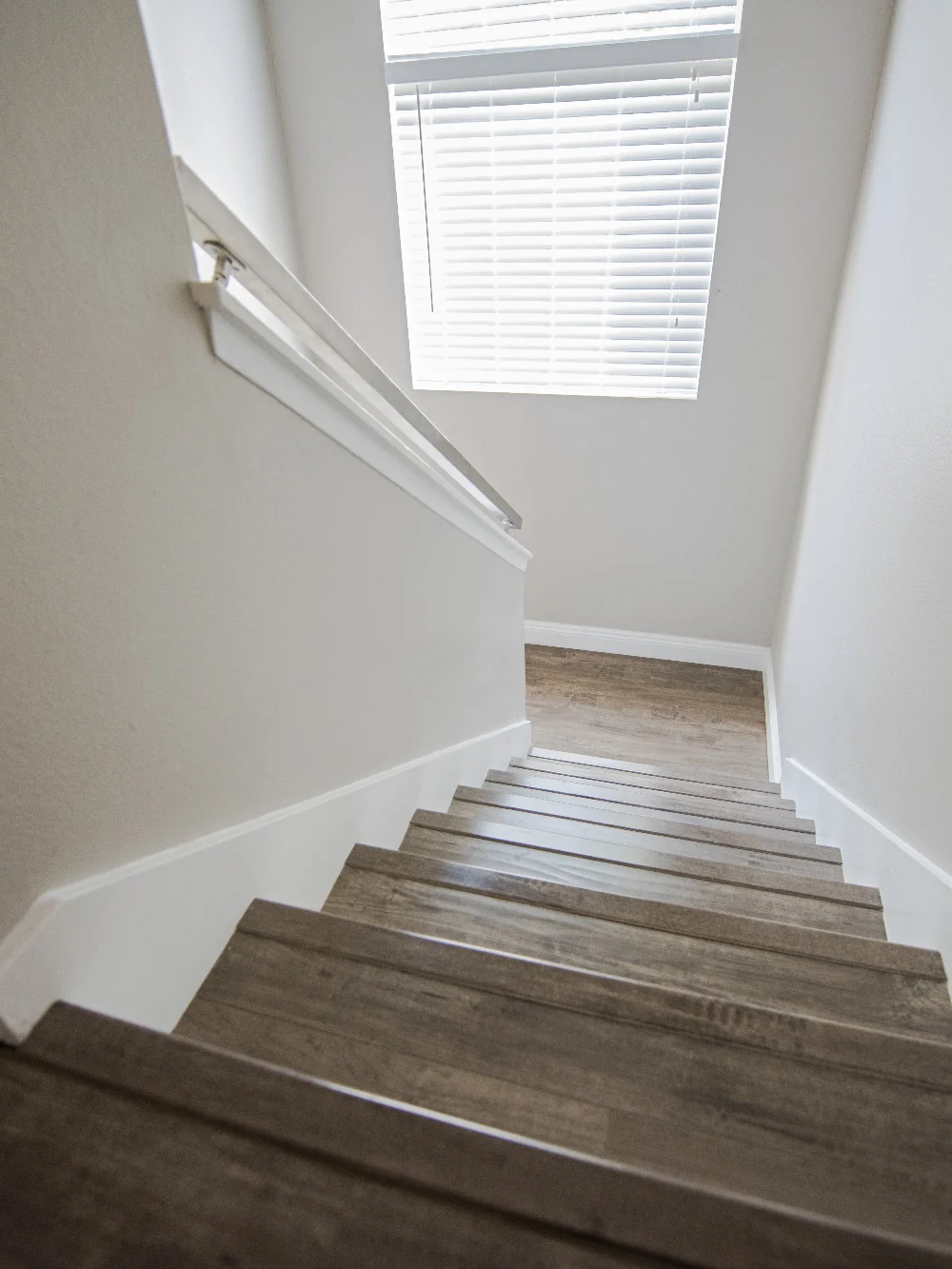
The AAP suggests metal anchors such as L brackets, set into a stud. Gates at the top and bottom of the stairs go up when your baby is learning to crawl and walk.
One Montessori family’s shorter list
Nicole Kavanaugh, who writes the blog The Kavanaugh Report, shared how her family babyproofed their Montessori home in a 2018 post. She weighed each product by asking whether it prevented a real danger or mostly saved the grown-ups some trouble.
- Step 1: She kept the big ones: covered outlets, tall furniture anchored to the walls so it wouldn’t tip if climbed, and a gate on a steep staircase.
- Step 2: In place of cabinet locks, she moved chemicals and medicine up high or into a lockbox.
- Step 3: She skipped bump-proofing gear, toilet locks, fridge locks and door covers.
“I really evaluate whether the risk is something I need to prevent, or if it is just meant to help avoid an adult inconvenience.”
Nicole Kavanaughblogger, The Kavanaugh Report (2018)
Hers is one family’s list from 2018, and two of her skips lean on habits more than hardware. If chemicals move to a high cabinet, the AAP’s advice is still a safety lock on every cabinet that holds cleaning fluids, high or low. And skipping the toilet lock, which our family did too, only works alongside the water rules in the safety box above.
 Save
Most of that list costs nothing, and the parts that do cost money can wait for your baby’s next move. Knowing what’s coming next is most of the savings.
Frequently Asked Questions
What babyproofing do you need?
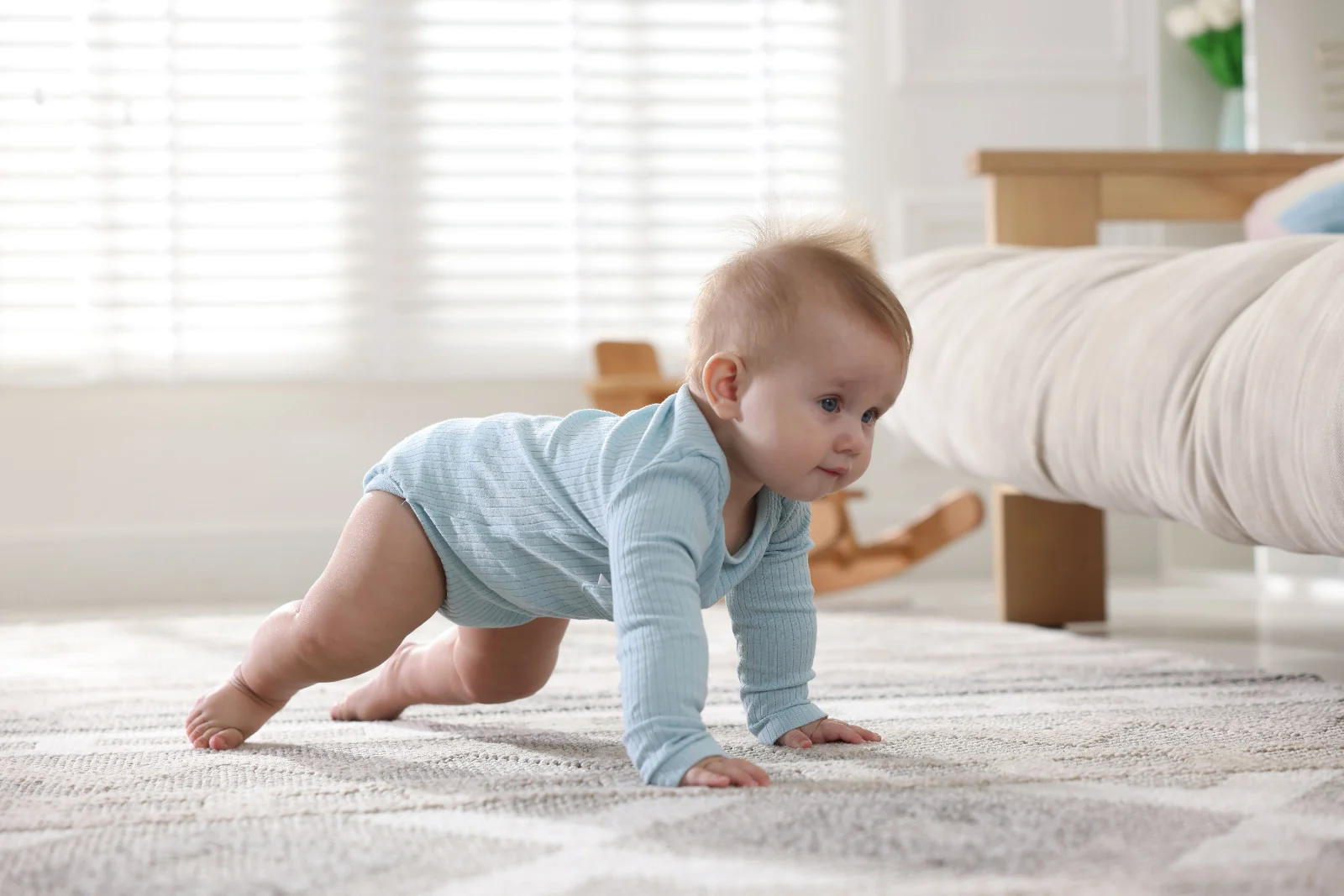
The babyproofing you need covers the injuries you can’t undo: anchors on furniture that could tip, gates mounted into the studs at the top and bottom of the stairs, locks on cabinets with cleaners or medicine, and safety plugs in unused outlets. On a tight budget, put those first and add the rest as your baby starts moving.
 Save
Conclusion
If your baby isn’t crawling yet, you’ve got time. Anchor the furniture, put the cleaners and medicine away, and stop there for now. Once the crawling starts, add the stair gates and outlet plugs. When the climbing shows up, check every anchor again. You don’t need the whole aisle, just the few things that match the stage your baby is in right now.
Put your first dollars on anchors, gates and one locked cabinet, and give yourself permission to wait on the rest. Spending carefully is still taking good care of them.
Miri
Fewer toys, deeper play.
Further Reading & Resources
See all 12 sources
- Pediatrician advice (American Academy of Pediatrics, HealthyChildren.org): Preventing Furniture and TV Tip-Overs · Home Safety: Tips for Families With Young Children · Bathroom Safety
- Drowning data: Facts About Drowning (Centers for Disease Control and Prevention)
- Federal safety rules (U.S. Consumer Product Safety Commission): Anchor It! · Childproofing Your Home · Gates and Enclosures business guidance · For Buying and Selling Products Online
- Blind cords: Best for Kids (Window Covering Safety Council)
- Real parents: Baby Proofing in a Montessori Home (Nicole Kavanaugh, The Kavanaugh Report, 2018) · What Baby Proofing Is Necessary? (The Bump forums, 2014)
- Finding a babyproofer: International Association for Child Safety