
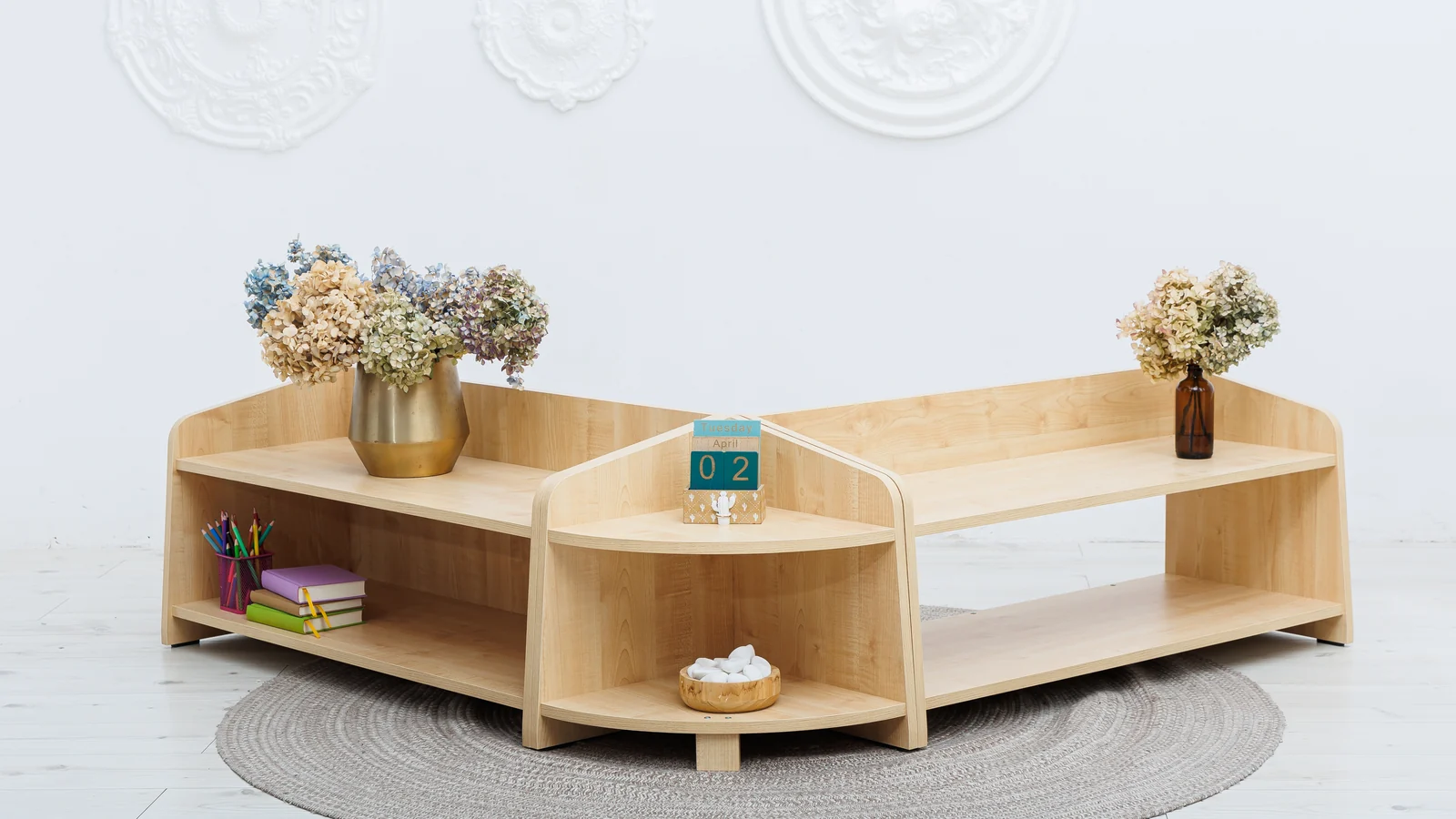
It’s after ten, your feet are finally up, and you’ve been on Pinterest a lot longer than you meant to be. A low wooden shelf with three toys spaced just so. A floor bed under a sunny window. A tiny wooden kitchen that probably cost more than your stroller. Somewhere between the second and third save, a thought sneaks in: I have to get all of this done before the baby comes.
 Save
SaveIf that’s your evening, take a breath. You can let that thought go. Montessori at home isn’t a finished room you reveal on your due date. It’s a handful of small changes to your space, and to how the grown-ups in it step back, made one corner at a time. Most of them make more sense after you’ve met your baby. You need less than you think.
I first came across Montessori while I was getting ready for my first baby, when a friend’s posts about it kept showing up in my Facebook feed, and I went from there to the books. Now I’m pregnant with my second, so I’m back at the very beginning of this question myself.
This guide covers what Montessori at home actually means for babies and toddlers, a 7-day plan that starts with the two things worth doing before the birth, and how much of the rest you really need.
What does Montessori at home mean for babies and toddlers?
For a baby or toddler, Montessori at home is a prepared space: what they need within safe reach, freedom to explore inside clear limits, and time to finish. The Montessori part is the setup and the stepping back, not the shopping.
Montessori started in classrooms. The first Casa dei Bambini, or “Children’s House,” opened on January 6, 1907, in the San Lorenzo district of Rome. More than a century later, the idea that travels best from those rooms into yours is the prepared environment.
The Association Montessori Internationale (AMI), an international Montessori organization, describes the Montessori classroom as an environment prepared by the adult that “contains all the essentials for optimal development but nothing superfluous.” That line was written about classrooms, not homes. At home, it turns into something simpler: what your child needs, within reach, and not much else.
For the youngest children, the American Montessori Society (AMS), a US Montessori organization, fills in the picture. In its infant and toddler programs, children have “freedom, within limits, always in the presence of an adult.” Furniture and materials are child-size, and “everything needed to complete tasks and achieve success is accessible.” Children also get the time they need to finish whatever they start. AMI describes the first three years the same way, as growing inside a framework of “freedom and limits.”
 Save
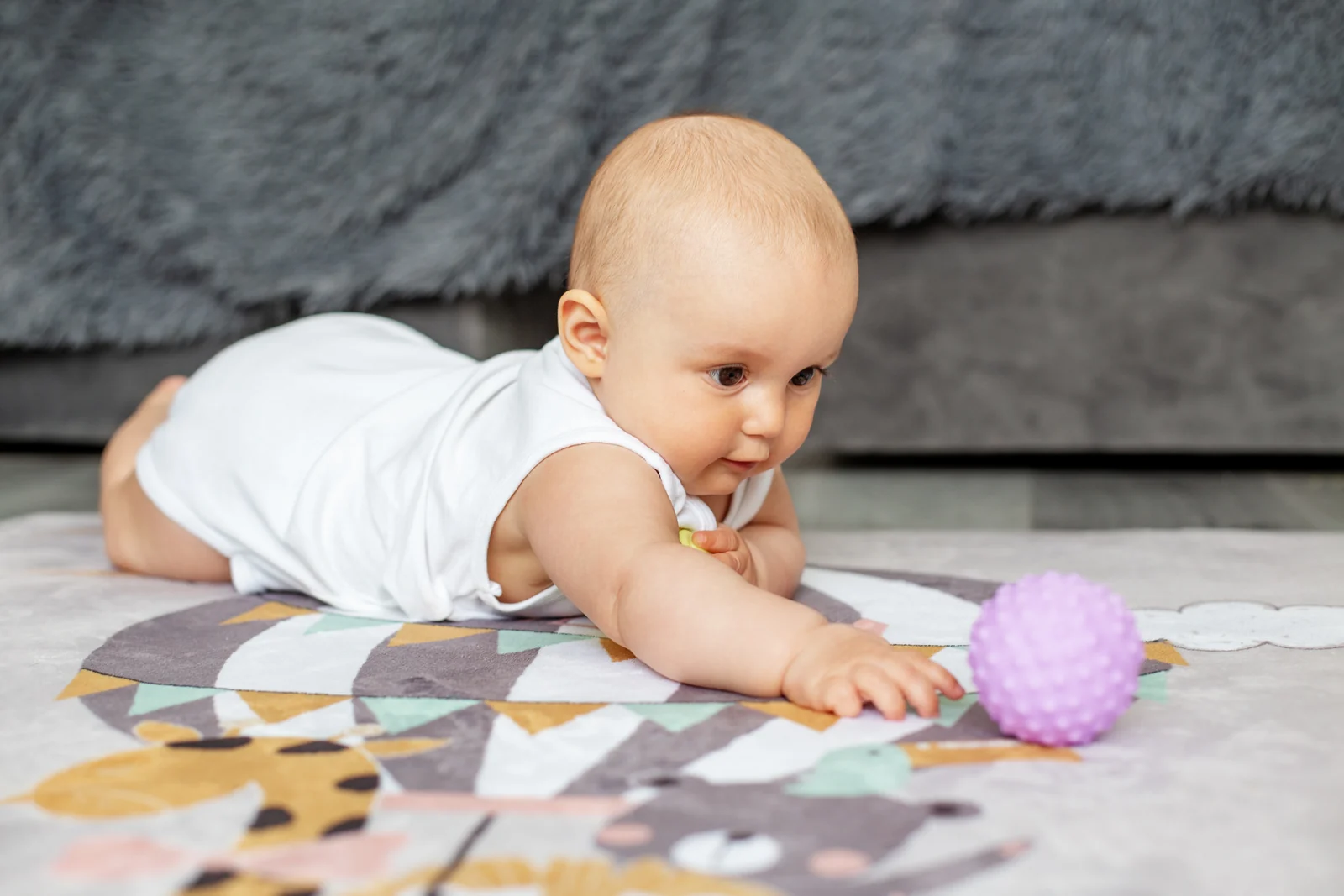
SaveSo Montessori education at home, for a baby, looks nothing like school. For a newborn, it might be a safe place to sleep, a clear patch of floor and one or two things to look at. For a two-year-old, it’s a low hook for their coat, a cup they can carry and a chance to wipe up their own spill. Same idea, different reach.
For a baby, Montessori isn’t a curriculum. It’s a room that says yes.
Why start before age 3 at all? Montessori theory treats birth to 6 as one stage, the first of the four planes of development, and in AMI’s description it’s when children become independent and secure and acquire language. AMI also describes children from birth to 6 as having an “absorbent mind,” taking in experiences from everything around them, unconsciously in the first three years and consciously from 3 to 6. Montessori isn’t something that waits for preschool.
If the vocabulary is starting to pile up, this plain-English list of Montessori terms keeps all the jargon in one place.
How to start Montessori at home: a 7-day plan
To start Montessori at home, take one corner a day for a week: safety first, then sleep, one low shelf, the kitchen, the bathroom, one real task, and a day of simply watching. If you’re expecting, do the first two before the birth.
Seven days, not seven weekends. Each day is one small job, most of them free, and any “day” can stretch into a week when life gets busy. The order matters more than the speed: safe first, then reachable, then real.
At Moje Montessori, we check every corner against the same three questions. Is it safe? Can your child reach it? Can they finish what they start there? Every day in the plan below answers at least one of them.
If you’re pregnant, Days 1 and 2 are the ones worth doing now. The rest can wait until your baby is here and you’ve seen what they reach for. Nesting (that late-pregnancy urge to get everything ready) is a great time to anchor a dresser. It doesn’t have to turn into a playroom project.
 Save
Save| Day | Corner | What to do | What it costs | Read next |
|---|---|---|---|---|
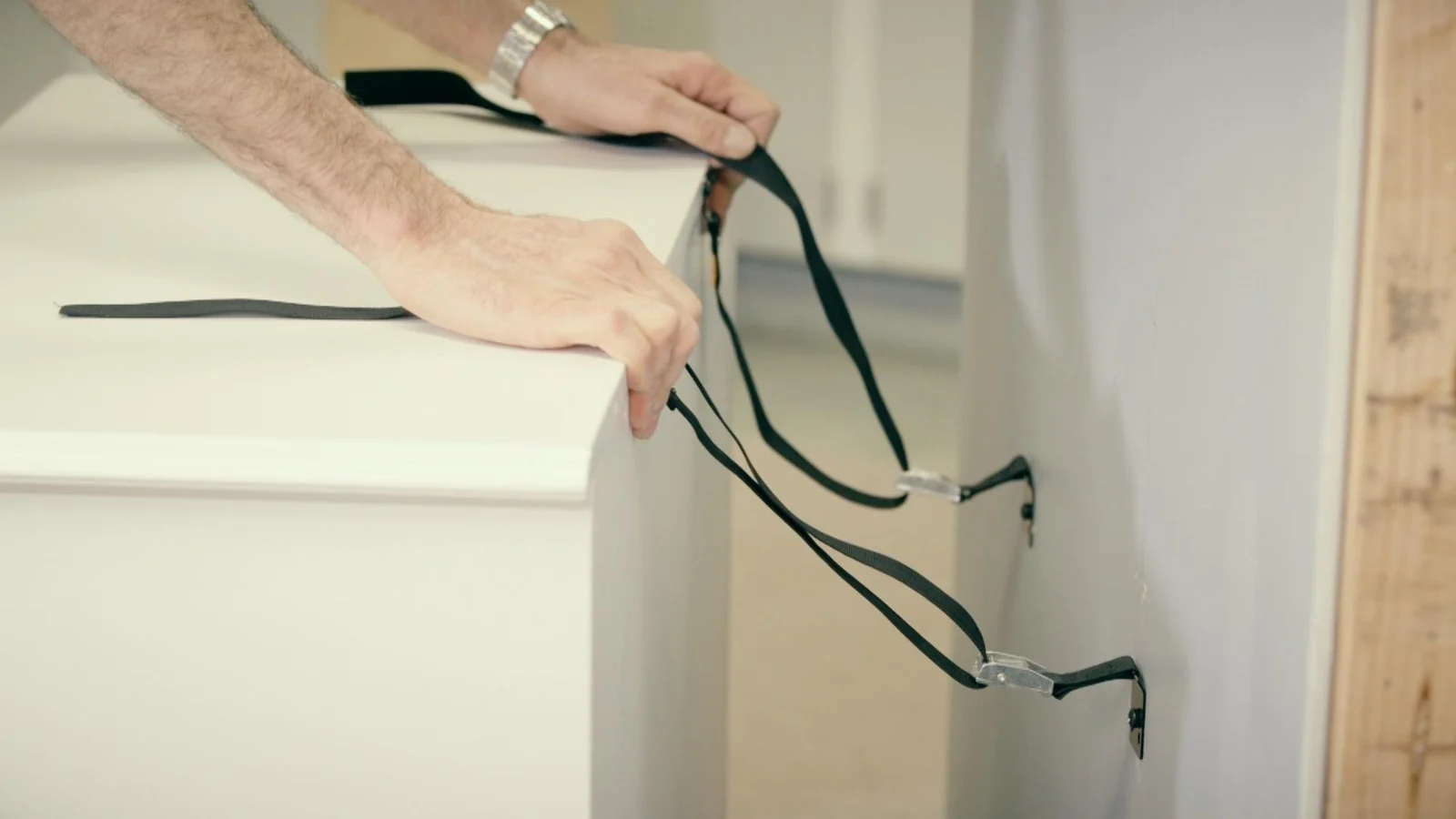
| 1 | Safety | Anchor dressers, bookcases and shelves to the wall. Then check each room from your child’s eye level. | An anchor kit, if your furniture didn’t come with one | Room by room |
| 2 | Sleep | Baby: a crib, bassinet or play yard that meets safety standards, firm and flat, nothing soft inside, in your room. Toddler: check what they can reach from bed. | Likely already on your registry | Moving from cribs to floor beds |
| 3 | One low shelf | Clear one low shelf. Put out a few things your child can reach, and store the rest out of sight. | $0 with a shelf you already own | Everyday objects and toys |
| 4 | Kitchen | Baby: keep them close at family meals so they can watch you eat. Toddler: give their cup, plate and spoon one low spot. | $0, it’s rearranging | Solid foods and the family table |
| 5 | Bathroom | Toddler: hang a towel low and put soap within reach, with a sturdy step to the sink and you right there. Baby: this day can wait. | $0, or a step stool | Potty learning |
| 6 | One real job | Toddler: invite them into one everyday job, like wiping a spill or carrying napkins. Baby: let them watch you work from a safe spot on the floor. | $0 | Everyday objects and toys |
| 7 | Watch | Sit nearby for a few minutes without helping. Notice what your child reaches for and keeps trying. | $0 | The adult’s part |
The plan is written for both ages, so read the half of each row that fits your child and skip the rest. A few days need more room than a table cell.
Day 1 comes first for a reason. Everything else in Montessori at home puts things within your child’s reach, and that only works if what they can reach is safe.
Anchor dressers, bookcases and shelves to the wall, low ones included. The U.S. Consumer Product Safety Commission, the federal agency for product safety, says anchoring all furniture with drawers, doors and shelves to the wall prevents tip-over injuries and deaths.
Then get down on the floor at your child’s eye level, room by room. Anything they can pull on, climb or put in their mouth is now part of their space, so deal with it before you add anything new.
Day 3 is the one Pinterest gets wrong. A shelf doesn’t need to be full to count, and it doesn’t need to be new. Put out a few things, store the rest, and see what your child does with them. The section on everyday objects and toys below explains why fewer can be better.
Day 7 feels like doing nothing. It isn’t. Sit on the floor, keep your hands in your lap, and notice what your child goes back to. Watch first, then offer. That’s the start of the adult’s part of Montessori, which gets its own section further down.
Give each change a few days to settle before you start the next one. A parent writing in an r/MontessoriForHome thread in 2026, about moving from a traditional home to a Montessori one, suggested slowly removing toys rather than donating everything at once.
Miri’s Tip
The shelf really is the easy part. A small, preliminary 2018 study of 30 parents whose toddlers and preschoolers already attended a private Montessori school suggested that parents may find it easier to change the physical setup at home, like putting a few things on open shelves, than to change deep-rooted beliefs about child development and discipline. So if Days 1 through 6 feel easier than Day 7, you’re not doing it wrong.
What does Montessori for babies look like in the first year?
In the first year, Montessori for babies looks like a safe sleep space, time on the floor with a few things in reach, and meals that follow your pediatrician’s guidance. Independence grows inside the safety rules, never around them.
The first year is where the photos and real life drift furthest apart. Two Montessori baby ideas you’ll see everywhere, the floor bed and food, sit right next to medical guidance, and in both cases the guidance comes first. That doesn’t make Montessori a bad fit for babies. It means the Montessori part is how you arrange things around the rules.
A predictable rhythm to the day can sit alongside all of this, too. How a routine like EASY (eat, activity, sleep, then time for you) can fit with Montessori is a topic of its own.
Moving from cribs to floor beds
A floor bed, a mattress on the floor instead of a crib, shows up in a lot of Montessori bedroom photos. Part of the appeal is easy to see: no bars, and later, a child who can get in and out on their own. Before you plan a nursery around one, though, look at what pediatricians actually recommend for babies.
The American Academy of Pediatrics, the professional organization for US pediatricians, keeps its safe-sleep advice short and specific.
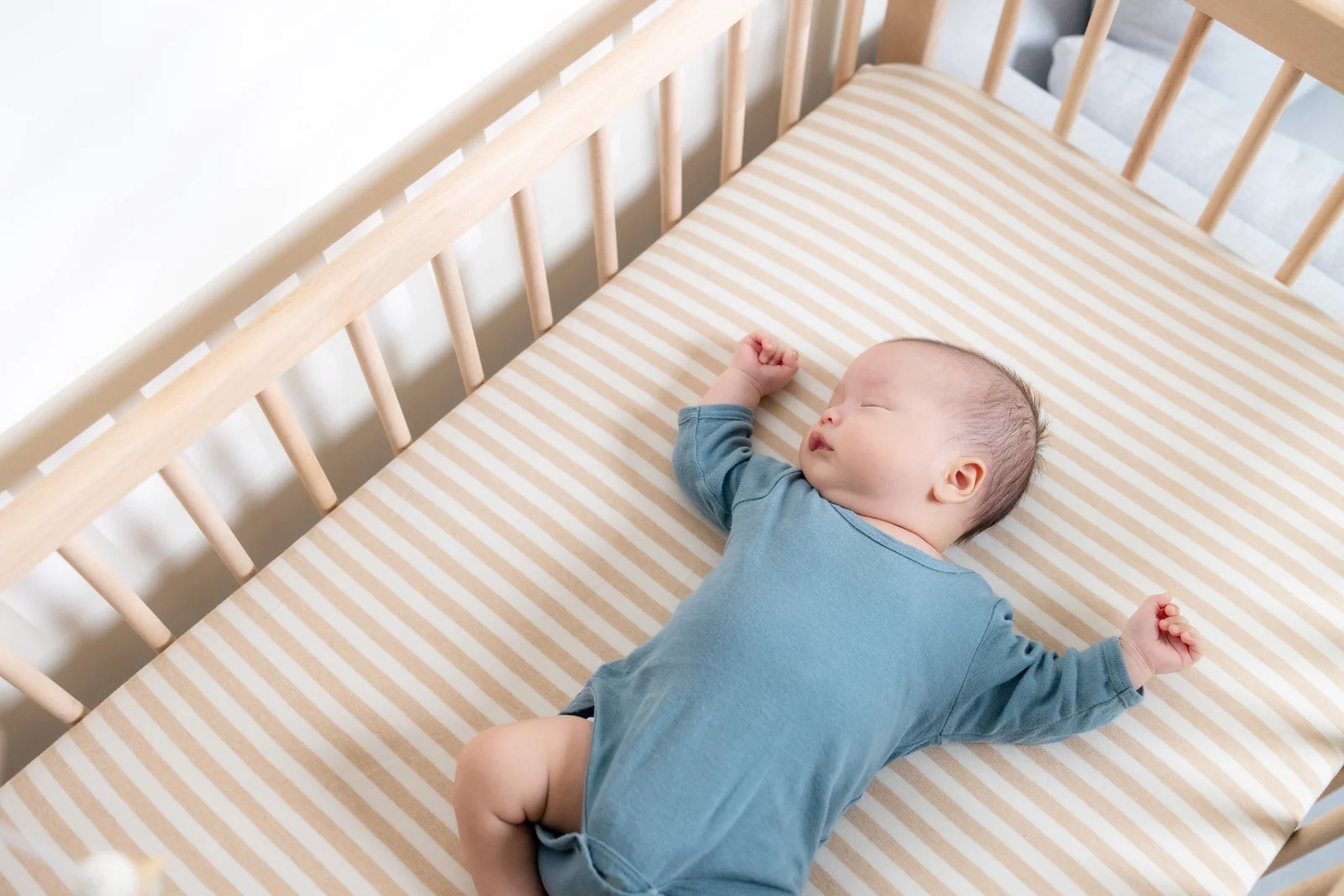
For babies, the American Academy of Pediatrics says: back to sleep for every nap and at night, on a firm, flat surface, with soft objects and loose bedding kept out of the sleep area. Share a room with your baby, but never a bed, and use a crib, bassinet, portable crib or play yard that meets Consumer Product Safety Commission standards.
That guidance doesn’t mention floor beds at all. So if your baby is under 1 and you’re drawn to the idea, bring it to your pediatrician before you change anything, and let the crib or bassinet do its job in the meantime. A bare crib won’t win any Pinterest contests. It isn’t supposed to.
 Save
SaveSolid foods and the family table
Food is the other place where the Montessori picture and pediatric guidance need to line up. The same pediatricians’ group recommends breast milk alone for approximately the first 6 months after birth, and it lists several signs that a baby may be ready for solid foods, including sitting in a high chair, feeding seat or infant seat with good head control; watching you eat, reaching for your food and seeming eager to be fed; and being able to move food from a spoon into the throat. Watch for the signs rather than circling a date, and ask your pediatrician if you’re unsure.
 Save
SaveKeeping your baby close while the family eats costs nothing, and watching you eat happens to be one of those signs. On days when meals go sideways, follow your baby’s lead, and call your pediatrician if something doesn’t seem right.
When solids start, know the choking hazards. The American Academy of Pediatrics lists these foods to avoid under 1 year: hot dogs (including meat sticks or baby food “hot dogs”), nuts and seeds, chunks of meat or cheese, whole grapes, popcorn, chunks of peanut butter, raw vegetables, fruit chunks such as apple chunks, and hard, gooey or sticky candy.
These don’t become safe on the first birthday. In its choking prevention advice, the same pediatricians’ group says to keep high-risk foods from children until 4 years of age or older, depending on each child’s development, and to serve round, firm foods like grapes and hot dogs only completely chopped into tiny pieces.
How does Montessori at home change for toddlers (1–3)?
For toddlers, Montessori at home shifts from setting up a safe space to sharing real life: helping at the table, washing hands, using the toilet, and getting time to finish. Your job moves from doing things for them to doing things with them.
Somewhere after the first birthday, your baby stops being someone you set things up for and becomes someone who wants in on everything. The spoon. The sponge. The shoes. Whatever you happen to be holding.
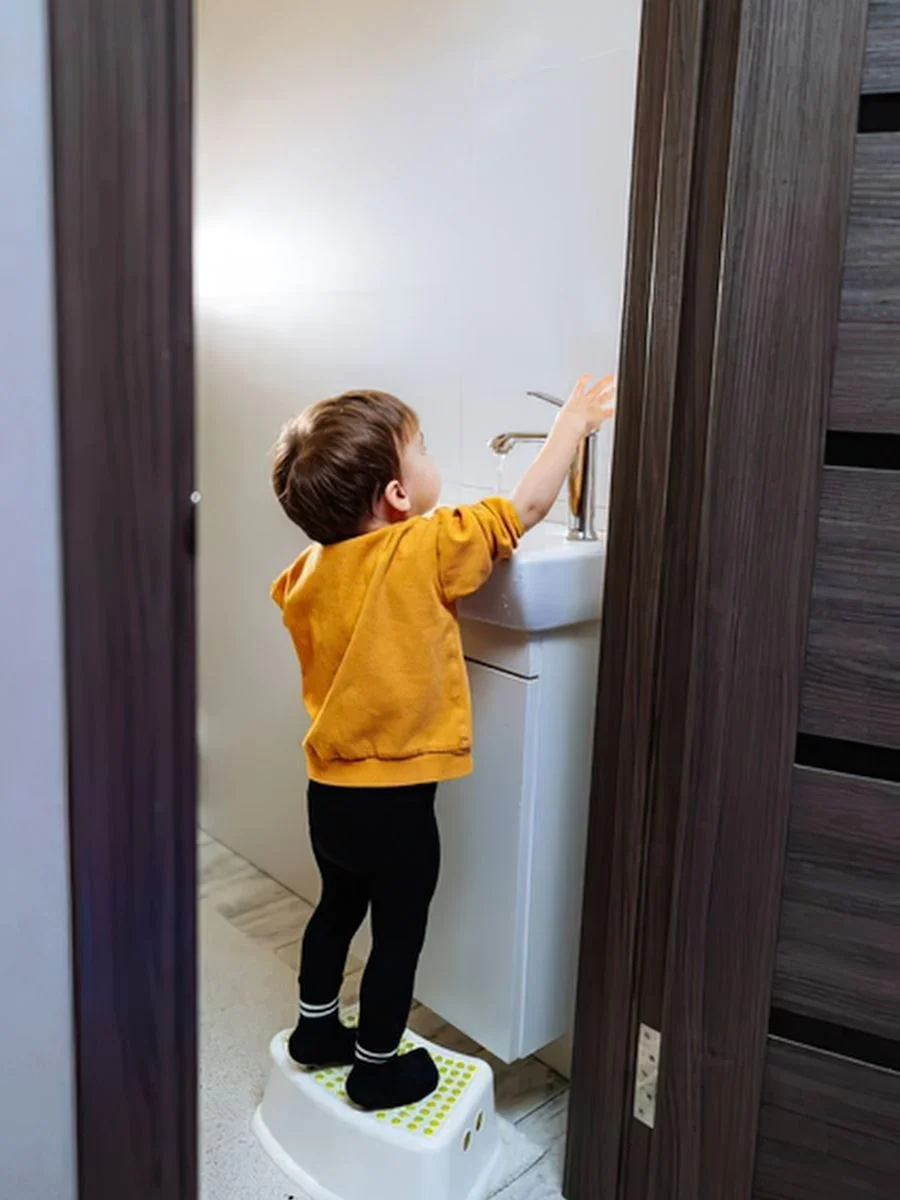
In Montessori toddler programs, the American Montessori Society says children learn things like using the toilet, washing their hands and setting the table for lunch. Not flashcards. Ordinary life, slowed down enough for small hands.
 Save
SaveMaria Montessori was blunt about what gets in the way. In The Montessori Method (1912), she wrote: “We habitually serve children; and this is not only an act of servility toward them, but it is dangerous, since it tends to suffocate their useful, spontaneous activity.” She was writing about her classrooms of children around 3 to 6, not toddlers at home, but the idea travels well. Every time you pour the water, zip the coat or carry the plate for them, your toddler loses a turn they could have had. The fix usually isn’t doing less. It’s leaving more time.
Potty learning
Potty learning is the toddler milestone with the most opinions attached. In Montessori programs, using the toilet sits on the same everyday list as washing hands, and that sets a useful tone: it’s one more piece of ordinary life, not a test to pass. At home, that can look like a potty or a stable step your toddler can reach, clothes that are easy to pull down, and a calm, matter-of-fact response to accidents. When to start depends on your child, so it’s a good conversation for your next pediatrician visit. It doesn’t need to be settled this week, and it certainly doesn’t need to be settled before your baby is born.
Tantrums happen in Montessori homes too
No shelf, however calm, will stop a meltdown in the cereal aisle, and nobody should promise you one will. Every parent gets a turn at being “that family” at the store. What Montessori gives you here is the other half of that phrase from earlier: freedom and limits.
Pediatricians’ guidance is clear on the basics. The American Academy of Pediatrics says parents and caregivers shouldn’t spank or hit children, and that yelling and shaming don’t work either. Among the strategies it suggests are setting clear and consistent limits and redirecting the behavior. A calm limit, held kindly and repeated as often as it takes, is still Montessori.
How do you set up Montessori at home, room by room?
Setting up Montessori at home room by room comes down to one question in every room: what does your child need to reach here, and is it safe to reach? Usually that means a few things moved low, and furniture anchored to the wall.
You don’t need a playroom. Most of this happens in the rooms you already live in, and setting up a Montessori playroom goes deeper on furniture and layouts if you do have the space.
The learning space. One low shelf, a rug or mat, and enough clear floor to move on. A corner of the living room works fine. It doesn’t need to be Instagram-worthy. It needs to be reachable and safe. Order is part of the prepared environment, too: when there’s “nothing superfluous,” every item can have its own spot, and putting things back becomes something a toddler can actually do.
The bedroom. For a baby, that’s the safe-sleep setup above and not much more. For a toddler, add a few books they can reach, a low hook or basket for tomorrow’s clothes, and a dresser that’s anchored to the wall.
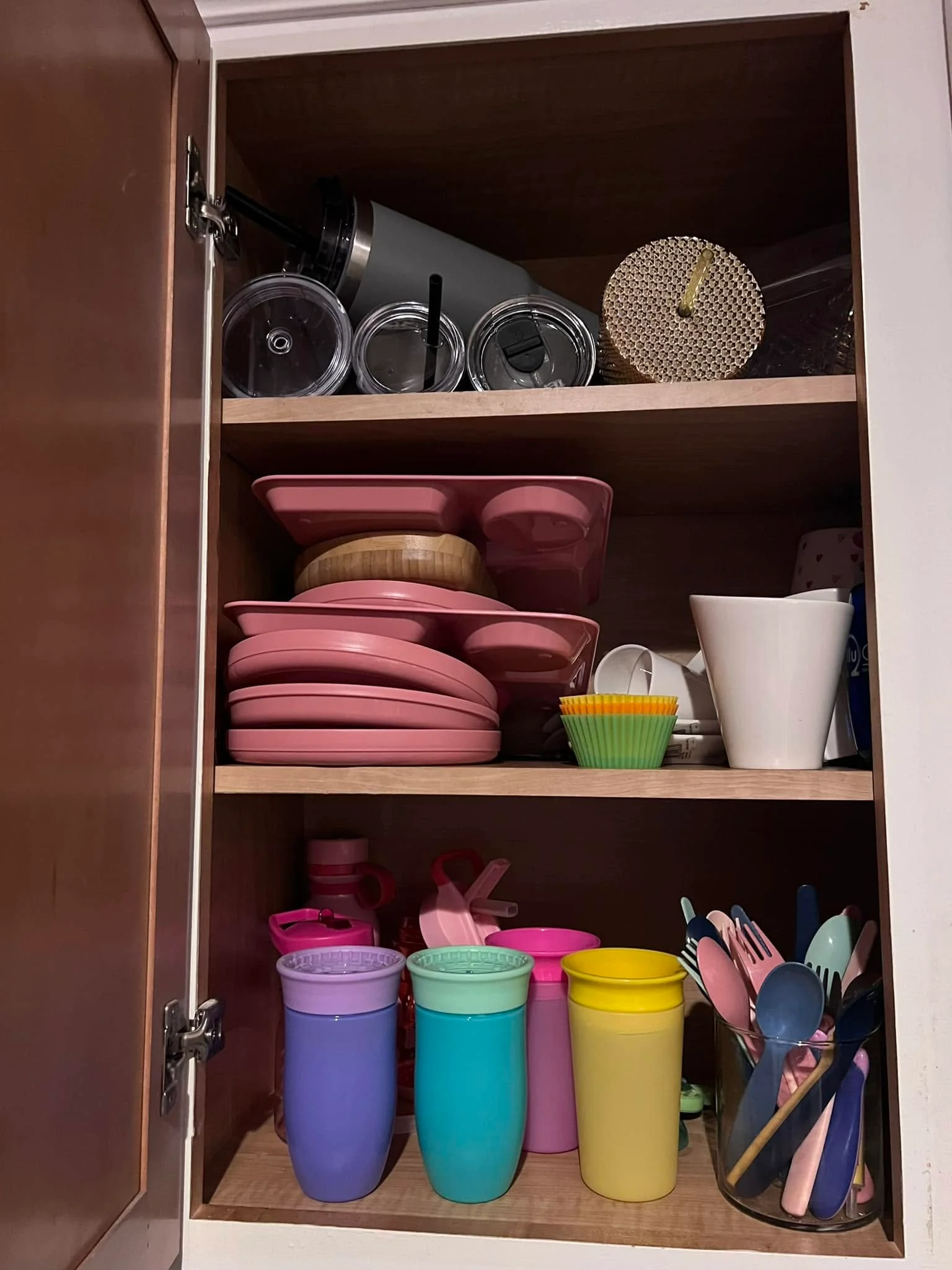
The kitchen. A toddler can have one low drawer or shelf with their own cup, plate and spoon, so they can help set the table, one of the everyday jobs on that toddler-program list. A baby just needs a safe seat near the family table.
 Save
SaveThe bathroom. A towel on a low hook, soap they can reach, and a stable step to the sink, with you right there. That’s handwashing made possible with a little rearranging.
A quick note on dressers. Dressers and other freestanding clothing storage units made after September 1, 2023, that are 27 inches or taller (and above a certain weight and size) have to meet a mandatory federal stability standard. That rule doesn’t cover open toy shelves or the dresser you inherited from your aunt. The anchoring advice from Day 1 covers all furniture with drawers, doors and shelves, so anchor the new dresser too.
Everyday objects and toys
Everyday objects and toys can share the same low shelf: a few real things your child can use, a few simple toys, and the rest put away. In one small study, toddlers played longer with each toy when 4 were out instead of 16.
In that study of 36 toddlers, published in 2018, each child played with both setups, 4 toys and 16. With fewer toys, they didn’t just play longer. They also played with their toys in a wider variety of ways. It’s one small study, so it’s no reason to start counting toys. It is a good reason not to feel bad about a sparse shelf.
Everyday objects count, too. AMI’s glossary describes practical life as “exercises of daily life,” like dusting, sweeping, laying a table and caring for yourself. It ties them to coordination, and, because they take patience and focused attention, to a child becoming “a contributing person in the community.” A toddler might take on a small cloth for spills, a basket for socks or a stack of napkins to carry to the table. A baby mostly gets to watch you do these things up close.
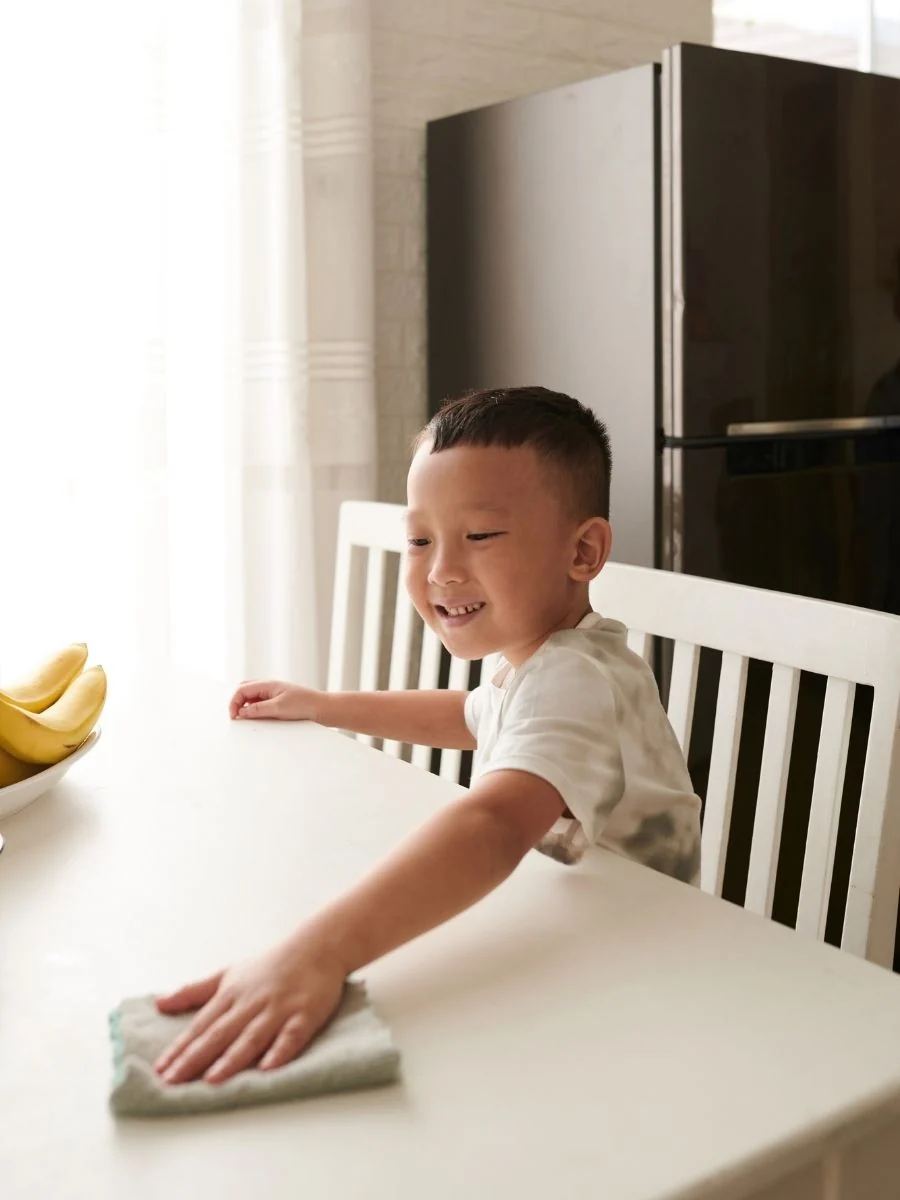
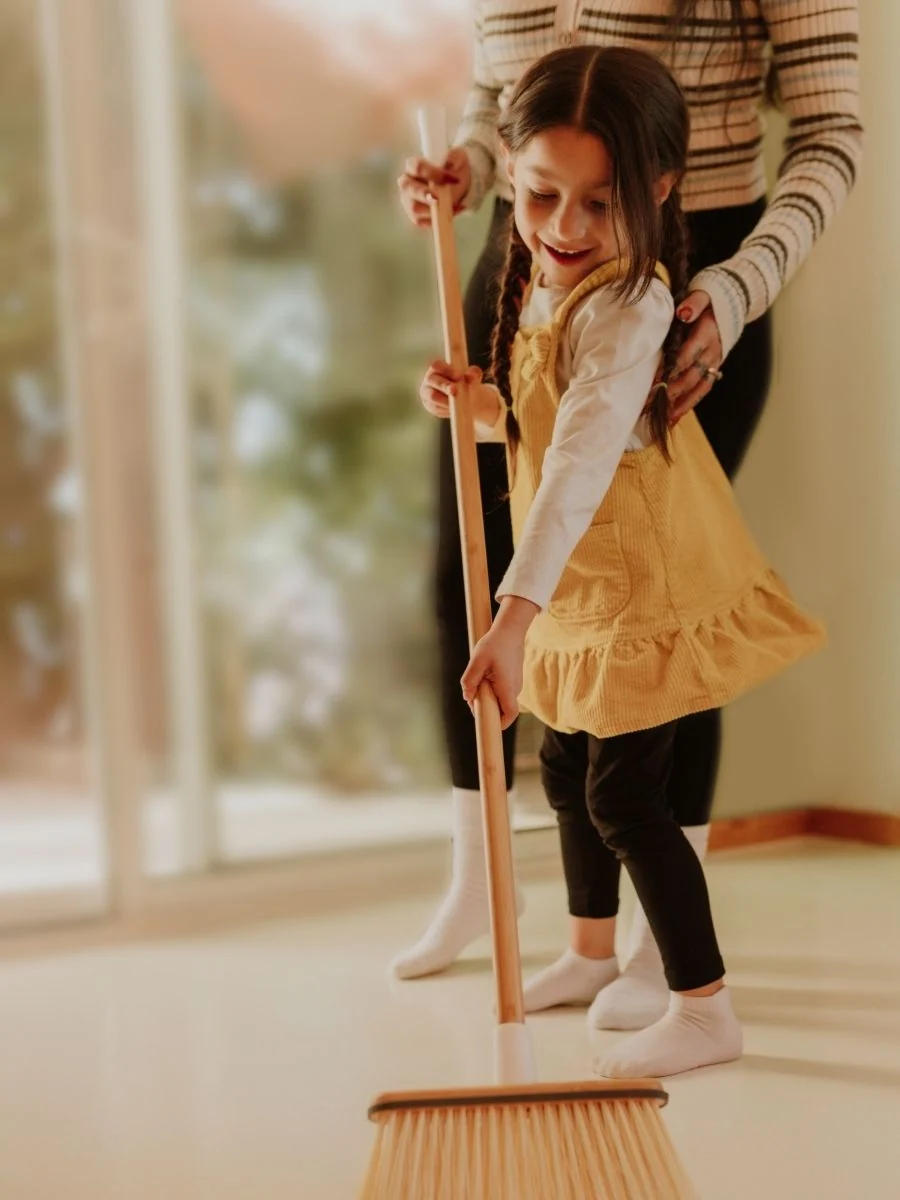
A small cloth turns a spill into a job. Sweeping, with a grown-up close behind.
For toys, simple goes a long way in the first months, and these Montessori toys for newborns cover the basics without a big haul. If you’re drawn to wood, know that wooden toys aren’t automatically safe: the finish, the design and the safety paperwork all matter when you’re choosing wooden toys for babies and toddlers.
Toy rotation, swapping a few things on the shelf for others you’ve stored away, keeps a small shelf from going stale. There’s no magic schedule. Your child’s interest is the calendar.
Montessori parenting: the adult’s part
Montessori parenting asks the adult to prepare the space, keep a few clear limits, then step back and watch, helping only as much as your child needs. It’s often the hardest part of Montessori at home, and it costs nothing.
All the furniture in the world won’t do this part for you. Remember that 1912 line about serving children? Its flip side is learning to wait: for the spoon to find the mouth, for the sock to go on inside out, for the block tower to fall without you catching it.
You can buy every shelf on Pinterest. The waiting is the part you can’t buy.
Waiting has limits, though. “Freedom and limits” has two halves, and you’re in charge of the second one. You decide what’s safe, what’s off-limits and when it’s time to go. Inside that, your child gets to try.
When you’re not sure what to offer next, watch. In her 1946 London lectures, Maria Montessori said her method “has been achieved by following the child and his psychology,” which is the idea behind the well-known phrase “follow the child.” Following doesn’t mean letting your toddler run the house. It means letting what they keep reaching for tell you what belongs on the shelf next.
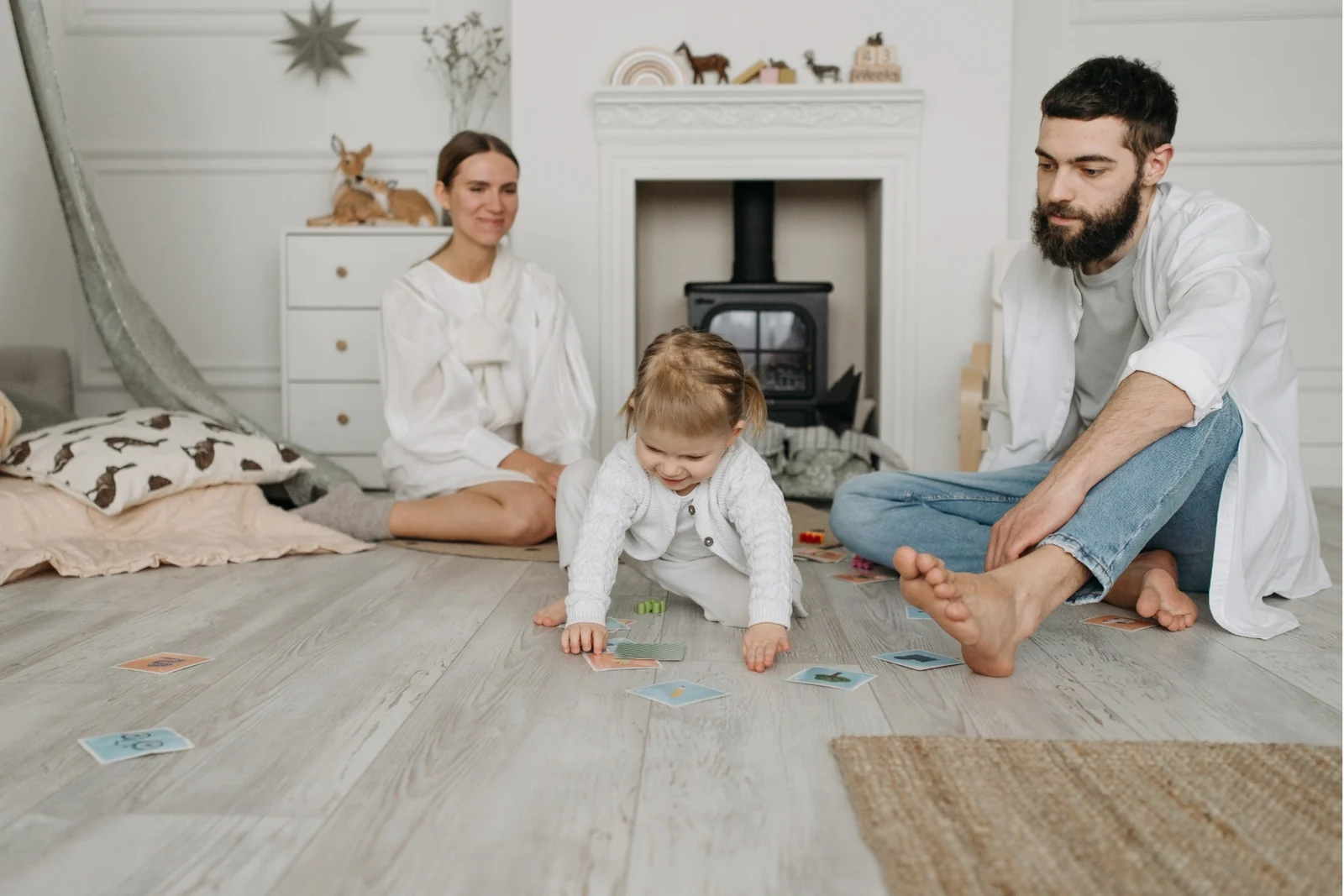 Save
SaveFor the bigger picture, including discipline and praise, how Montessori parenting compares with a traditional style goes into the details.
Do you have to do Montessori at home all the way?
You don’t have to do Montessori at home all the way. Take what fits your family and leave the rest; one small study suggests it doesn’t require giving up the routines and parenting habits you already have.
Picture two homes. In one, there’s a floor bed, a weaning table and a shelf that changes every week. In the other, there’s a regular crib, a high chair, a basket of toys by the couch, and a toddler who gets to pour their own water at lunch. Both families are doing Montessori at home.
That 2018 study of 30 parents, small and preliminary as it was, pointed to ways of doing Montessori at home that don’t ask families to abandon the parenting practices and routines they already have. That’s worth hearing while you’re pregnant and the internet makes it all sound like all or nothing.
And no, you don’t need Montessori training at home before you begin. Books help, and so does a little patience with yourself. If you’re still deciding whether to try it at all, this honest look at the pros and cons of Montessori covers what’s hard, what the research says and what you can skip.
Frequently Asked Questions
How do you do Montessori at home?
You do Montessori at home by changing your space before you buy anything: anchor furniture, set up a safe place to sleep, then put a few things your child can use on one low shelf. Give them real jobs and time to finish, and stay close. One corner a day is plenty to start.
How do you teach Montessori at home?
Teaching Montessori at home with a baby or toddler looks less like lessons and more like preparing and waiting. Put what they need within reach, show a task slowly, then let them try while you stay nearby. Maria Montessori said her method came from “following the child,” so watching tells you what to offer next.
How do you set up Montessori at home?
To set up Montessori at home, start with safety: anchor dressers and shelves to the wall and check each room from your child’s eye level. Then add one low shelf with a few things, a low spot for their cup and plate, and a towel they can reach. You don’t need a separate playroom.
How do you apply the Montessori method at home?
Applying the Montessori method at home comes down to a few ideas: freedom within clear limits, what your child needs within reach, time to finish what they start, and an adult who watches before stepping in. There’s no Montessori at home curriculum you have to buy for a baby. Start with one corner and build from there.
Conclusion
You don’t need a finished nursery, a matching shelf or a full Pinterest board before your baby arrives. You need a room that’s safe, a place to sleep that follows the guidelines, and permission to figure out the rest once you’ve met the person it’s all for. If you want one thing to do tonight, find the tallest piece of furniture in the nursery and check whether it’s anchored. That’s Day 1, and it counts.
You’re already doing the most Montessori thing there is: slowing down and thinking before you buy. Be as patient with yourself as you plan to be with your baby.
Miri
Fewer toys, deeper play.
Further Reading & Resources
See all 18 sources
- Safety at home: Anchor It! (U.S. Consumer Product Safety Commission) · Safety Standard for Clothing Storage Units (Federal Register, 2023)
- Sleep, food and discipline: How to Keep Your Sleeping Baby Safe: AAP Policy Explained · When Can Babies Start Solid Foods? · Choking Prevention · What’s the Best Way to Discipline My Child? (American Academy of Pediatrics, HealthyChildren.org)
- Montessori background: AMI glossary entries Prepared Environment, Freedom, Absorbent Mind, Four Planes of Development and Practical Life Exercises · Montessori Great Ideas and Biography of Maria Montessori (Association Montessori Internationale) · Montessori Infant and Toddler Programs (American Montessori Society) · The Montessori Method (Maria Montessori, 1912, Project Gutenberg)
- Research: The influence of the number of toys in the environment on toddlers’ play (Dauch et al., Infant Behavior and Development, 2018) · To What Extent Do Parents of Montessori-Educated Children “Do Montessori” at Home? (Walls, Journal of Montessori Research, 2018)
- Real parents: Changing your home from a traditional home to a Montessori home (r/MontessoriForHome, 2026)