
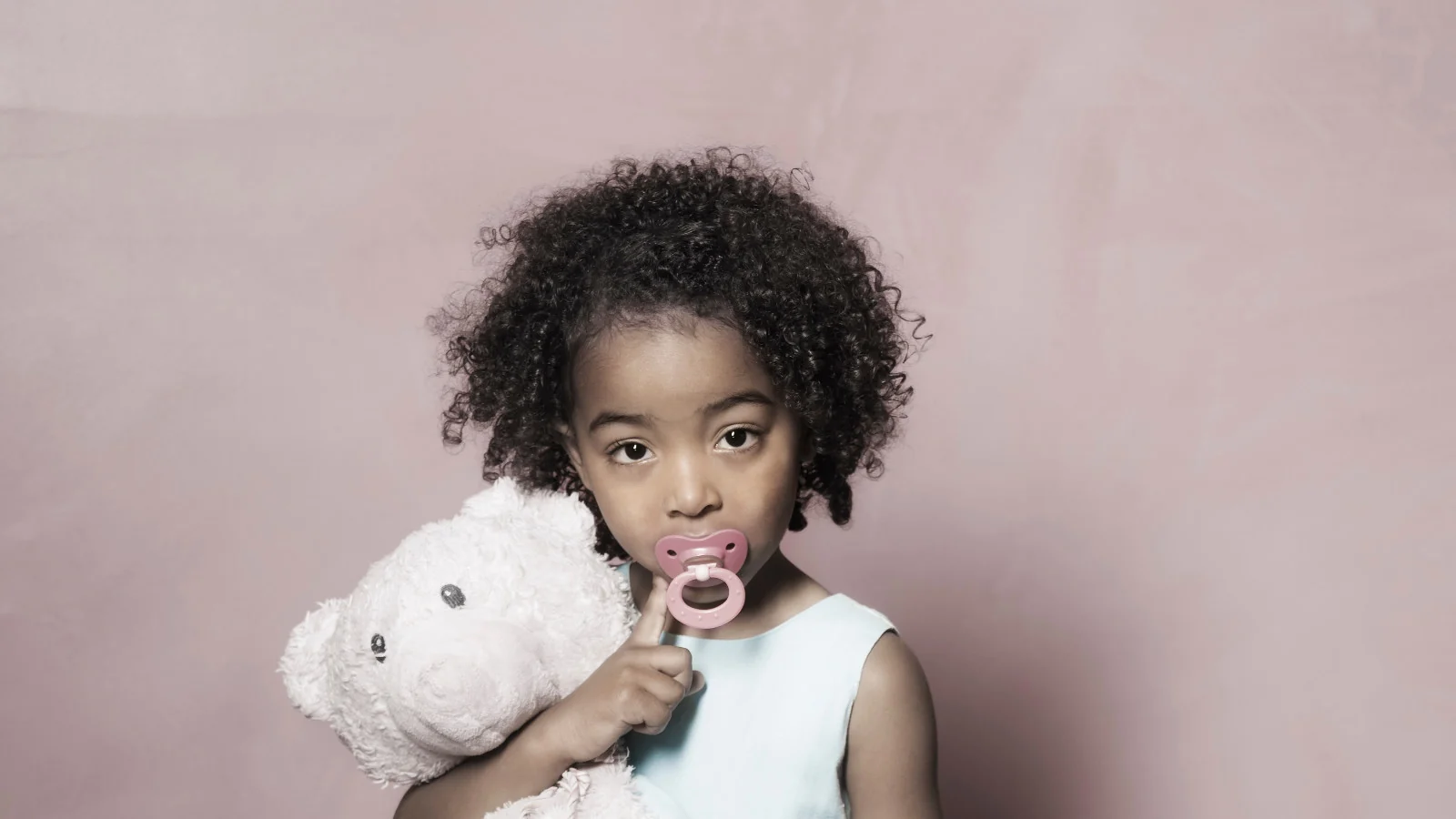
By the first tooth. By 12 months. By 18 months. By two. By three. Read pacifier threads for a week and you can fill a whole calendar with deadlines, each one delivered with total confidence. Then a parent on r/Mommit mentions that their dentist said to wait until four.
One number does have a policy behind it. The American Academy of Pediatric Dentistry (AAPD) points to ending sucking habits by 36 months. Three years gives you more room than most of that calendar.
If you’re caught between worrying about your toddler’s teeth and dreading a week of screaming bedtimes, that’s a very normal place to be. Will had a pacifier from the newborn days, to help him self-soothe and drift off. Our days ran on the EASY routine back then, I was badly sleep-deprived, and anything that helped him sleep was welcome. We said goodbye to it around 18 months, and there’s one part of how we did it that I’d change. I’ll tell you which part below.
go gradual. Shrink the pacifier to sleep times first, then retire it for good with praise and a small reward for each day without it, the positive approach pediatricians and pediatric dentists both favor over criticism.
your plan leans on threats, teasing or punishment, or on cutting the nipple down. Pressure can drag the habit out, and a cut nipple is damaged rubber.
When to stop pacifier use: what you’ll hear vs. what the experts say
Your own pediatrician and dentist get the final word, because the big groups don’t agree on one birthday. Pediatricians flag strong sucking past 2 to 4 years, and the pediatric dentists’ policy points to ending sucking habits by 36 months.
The ages on the left come from parents’ threads on r/toddlers like “When should I take away the pacifier?” and “When did you get rid of the pacifier?” At Moje Montessori, we lined each one up with what the American Academy of Pediatrics (AAP) and dental groups actually wrote, each group on its own line.
| Advice you’ll hear | What pediatricians and dentists actually say |
|---|---|
| Take it away by the first tooth, or before 6 months | The AAP says a pacifier at naps and bedtime helps lower the risk of sudden infant death syndrome in the first year. Pediatric dentists, citing the AAP’s 2013 guideline, say cutting back in the second six months of life may mean fewer ear infections. |
| Stop daytime use at 6 months, gone by 12 to 18 months | The AAPD says use after 12 months can raise the risk of ear infections, and use beyond 18 months can start to affect how the bite develops. |
| Ditch it by age 2 | The AAP says strong sucking beyond 2 to 4 years may affect the shape of the mouth or how the teeth line up. |
| Most dentists say between 2 and 3 | The American Dental Association (ADA) says children usually stop sucking between two and four. Pediatric dentists say an open bite from a pacifier improves if it’s gone before age 3. |
| Lose it by age 3 | The AAPD points to ending sucking habits by 36 months. |
| Our dentist said to wait until 4 | The AAP says that if a child stops before the permanent front teeth come in, there’s a good chance the bite will correct itself. The ADA says to see your dentist if you notice changes in your child’s baby teeth. |
Notice the wording on the right: “may,” “can,” “usually,” “a good chance.” Those are checkpoints to talk through with your child’s doctor and dentist, and none of them reads like a countdown to a birthday. So when to stop pacifier use comes down to picking a window with the people who know your child.
For us, the deciding voice was Will’s pediatrician, who advised us to drop it before he turned two, to protect his bite and help his speech. That was advice for Will, from the doctor who knows him. On speech, the AAPD says the evidence linking pacifiers to speech delay is limited, though it adds that use lasting several hours a day may be linked to unusual speech errors. If talking is your main worry, bring it to your own pediatrician.
 Save
What does a pacifier do to your child’s teeth (and ears)?
Pacifier worries about teeth are really about the bite. Pediatric dentists link use past 18 months to bite changes, and the AAP says the bite has a good chance of correcting itself if the habit ends before the permanent front teeth arrive.
If you’ve been squinting at your toddler’s front teeth, wondering whether they’re already “pacifier teeth,” take a breath. The AAP’s wording is careful: strong sucking beyond 2 to 4 years may affect the shape of the mouth or how the teeth line up. Dentists add a reassuring detail of their own. The ADA’s MouthHealthy guide says pacifiers can affect teeth in the same ways a thumb can, but a pacifier is often the easier habit to break. You can’t put a thumb away in a drawer.
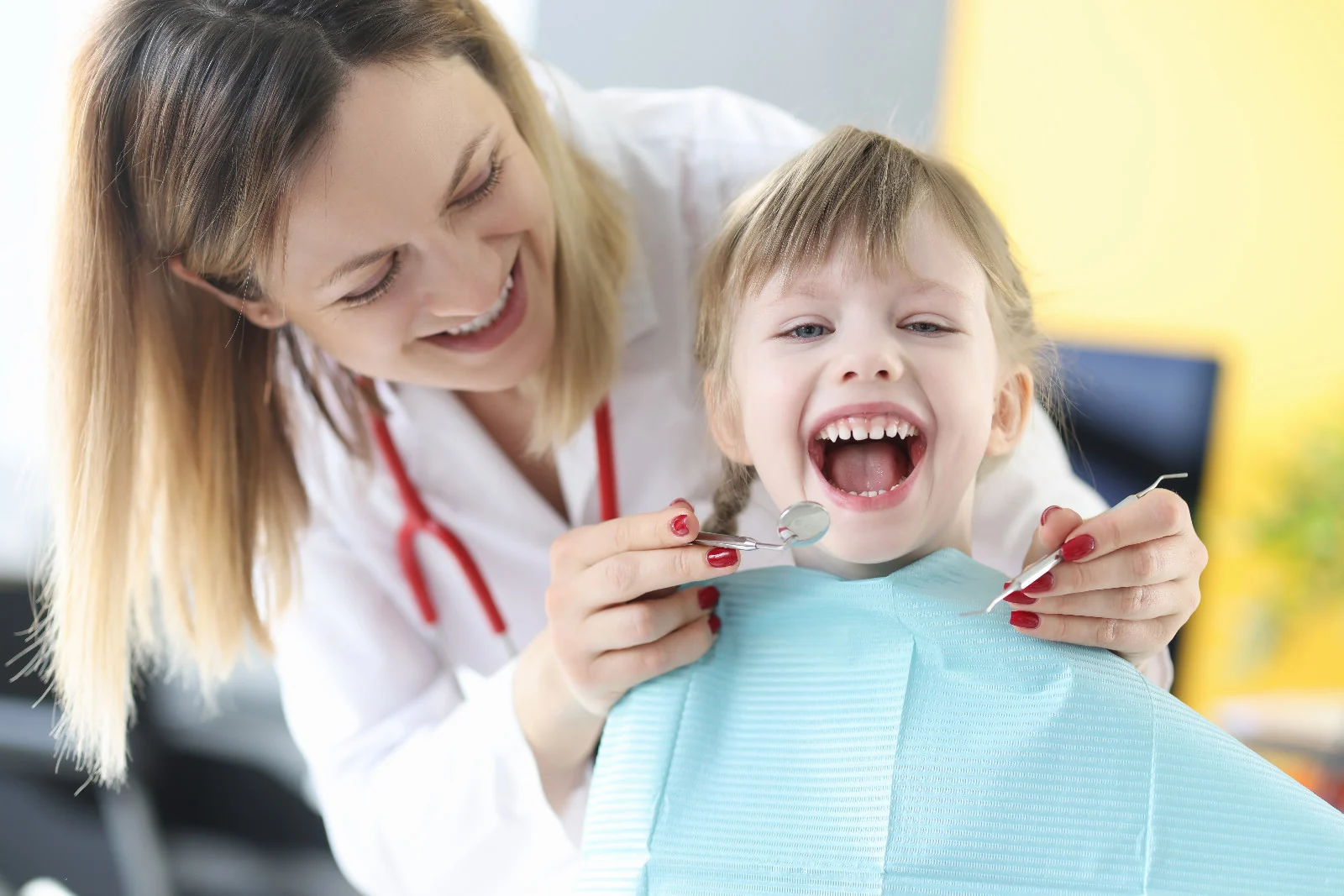
Pediatric dentists get more specific about dental health and age. Their policy links use beyond 18 months to bite changes like an open bite, where the front teeth don’t meet when your child closes their mouth, and says that kind of open bite improves once the pacifier is gone before age 3. Cutting back around 18 months, when the canine teeth come in, “has been recommended” to limit a crossbite in the back teeth. The same policy gives the other side, too: keeping the habit past 14 months may help prevent a lasting finger-sucking habit, since forcing a pacifier away early has been tied to longer finger sucking.
 Save
Ears come into it as well. The AAPD calls pacifier use a risk factor for ear infections, and its policy says use after 12 months can raise that risk. Citing the AAP’s 2013 guideline, it adds that cutting back in the second six months of life may mean fewer of them. If ear infections keep coming back at your house, mention the pacifier at your next checkup.
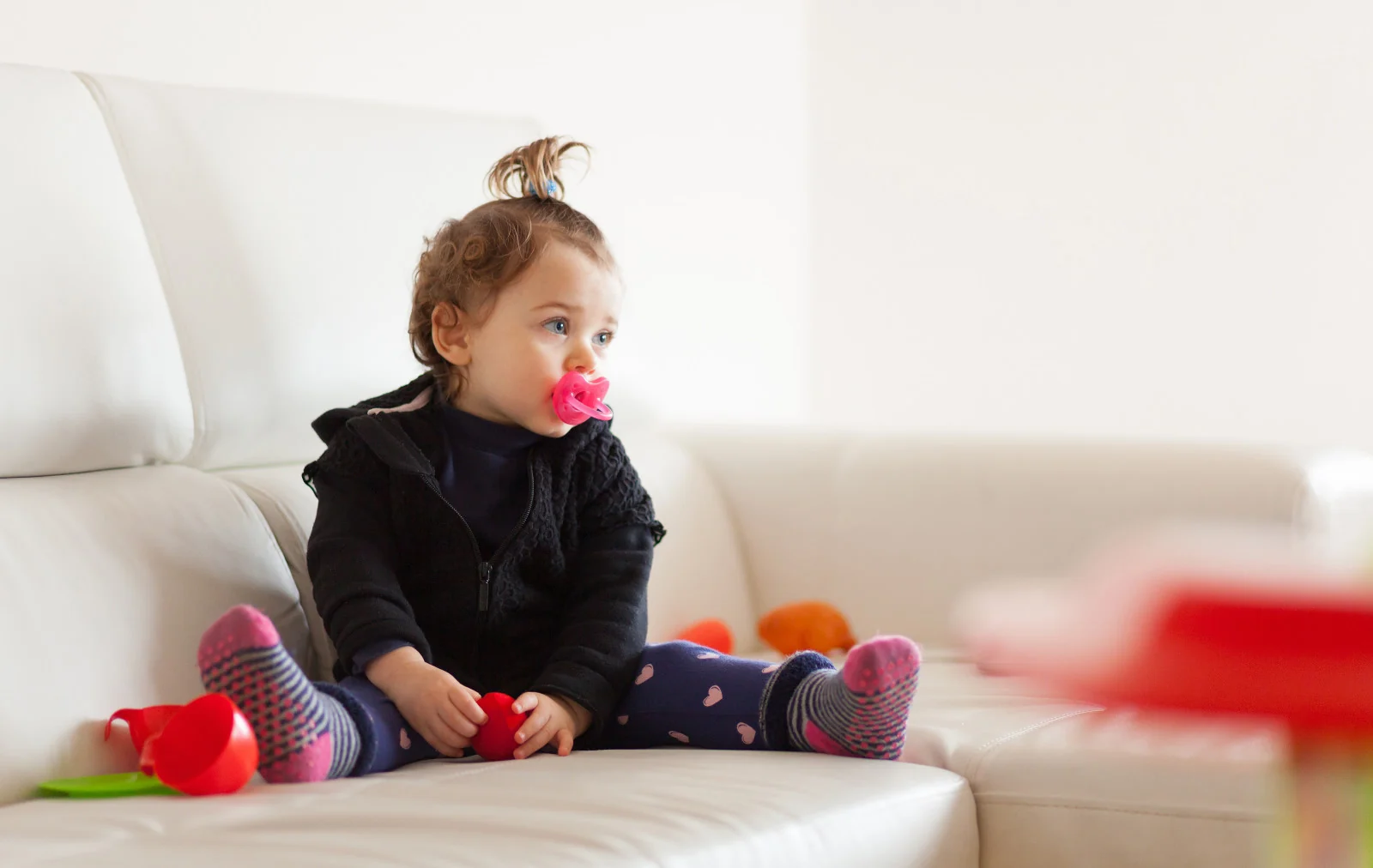
So should a 2-year-old still have a pacifier? Lots of them do. At two, your child is past the 18-month point dentists mention and still a year short of the 36-month mark, which makes it a good time to start shrinking the pacifier’s job.
Pacifier weaning methods: cold turkey or gradual?
The AAP and pediatric dentists don’t name a winner between cold turkey and going slowly. They both stress the tone: praise the good days and skip the pressure. The AAP adds one rule: stop right away if your child gets scared or tense.
Neither the pediatricians’ pacifier page nor the dentists’ policy ranks cold turkey against going slowly, so there’s no head-to-head answer to hand you. The AAP’s very first suggestion for sucking habits is to ignore them, since most children stop on their own. Harsh words, teasing and punishment aren’t an effective way to end a habit, it says. Instead, praise and reward your child on the days they skip it, and know that star charts, daily rewards and gentle reminders are also very helpful. Pediatric dentists say almost the same thing: a reward for each day without the pacifier is better than criticism, because power struggles can make the habit last longer.
That’s why, of all the pacifier weaning methods out there, my pick is the gradual one. Every day you shrink it is another day you get to praise.
Start by shrinking it to sleep time
Shrinking it means the pacifier keeps one job, helping your toddler fall asleep, and loses the rest: the playground, the grocery cart, the couch during a show. Your toddler still gets it. It just stops showing up everywhere.
Will’s pacifier was for sleep only: in bed, or when he was fighting sleep on a long car ride. The moment he woke up to play or walked out of his bedroom, I put it away. He came to see it as a sleep thing, and I’m convinced that made the goodbye easier, with far fewer tears.
Miri’s Tip
I had that rule because I was thinking about his teeth and his talking. Those were my reasons as a mom, and the teeth part lines up with the bite concerns above. On talking, as you saw, the evidence is thinner.
When the pacifier has one job, sleep, there’s less to take away on goodbye day.
 Save
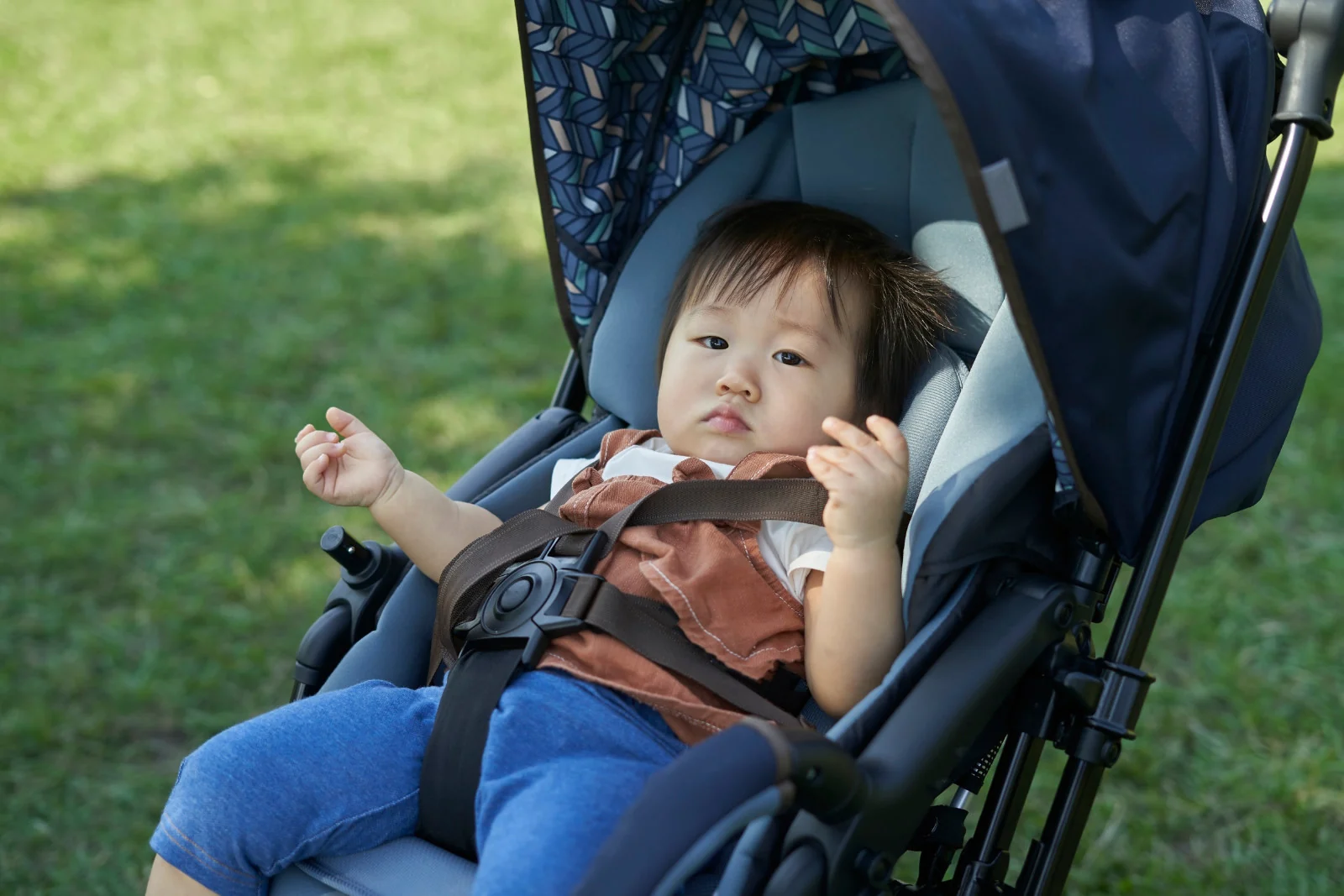
Ali of Inspiralized shrank it by place instead with her 19-month-old. The stroller went first: about two days of crying, then barely any fussing by day three or four. A week later she stopped it at naps and bedtime, which meant almost 30 minutes of crying at the first nap and six minutes at the first bedtime. Different order, same idea: a little less pacifier at each step, until there’s nothing left to take away.
 Save
What I’d skip: cutting the nipple down
This is the part I’d change. When Will was about 18 months old, I followed a trick that was all over the parent groups I was in: cutting the pacifier nipple down. At the time it felt clever, and I didn’t stop to think about what could happen to that rubber. Now the thought of a cut piece of rubber in his mouth at bedtime makes my stomach turn.
Pediatricians are plain about worn pacifiers: the AAP says to check them every so often, and if the rubber has torn or changed color, replace it. A nipple you’ve cut on purpose is damaged rubber, so it goes in the trash the same day.
With Jimmy, this time I’m planning to skip that trick entirely: one clear goodbye, plenty of cuddles and reassurance, and maybe a storybook that explains where the pacifier went. Ask me in a couple of years how it went.
The binky fairy and other ways to say goodbye
The binky fairy is a goodbye ritual: your toddler hands over every pacifier, and something small and special shows up in its place. Parents trade lots of versions of it.
Wondering how to get a 2.5-year-old off a pacifier? This is where a lot of parents end up, because a child that age can help with the plan. The versions parents describe:
- The fairy swap. The pacifiers go out, and the fairy leaves a prize and a stuffed animal, as one parent on r/Mommit suggested.
- Plant them or mail them. Pacifiers get “planted” in the garden, or sent off to babies who need them, two of the ideas swapped in an r/toddlers thread.
- Pack the bag. Your toddler decorates a little bag with stickers and packs up every pacifier, as one family on r/toddlers did.
- Give a day’s notice. Talk about it the day before, so the goodbye isn’t a surprise, as one parent on r/Parenting suggests.
Many parents who’ve done it describe a few rough nights. A few say it went much worse, like one parent on r/toddlers whose try at cold turkey plus the fairy went badly. Those night counts are other families’ stories, so don’t hold your child to them.
Pick any of them, and make the praise bigger than the prize.
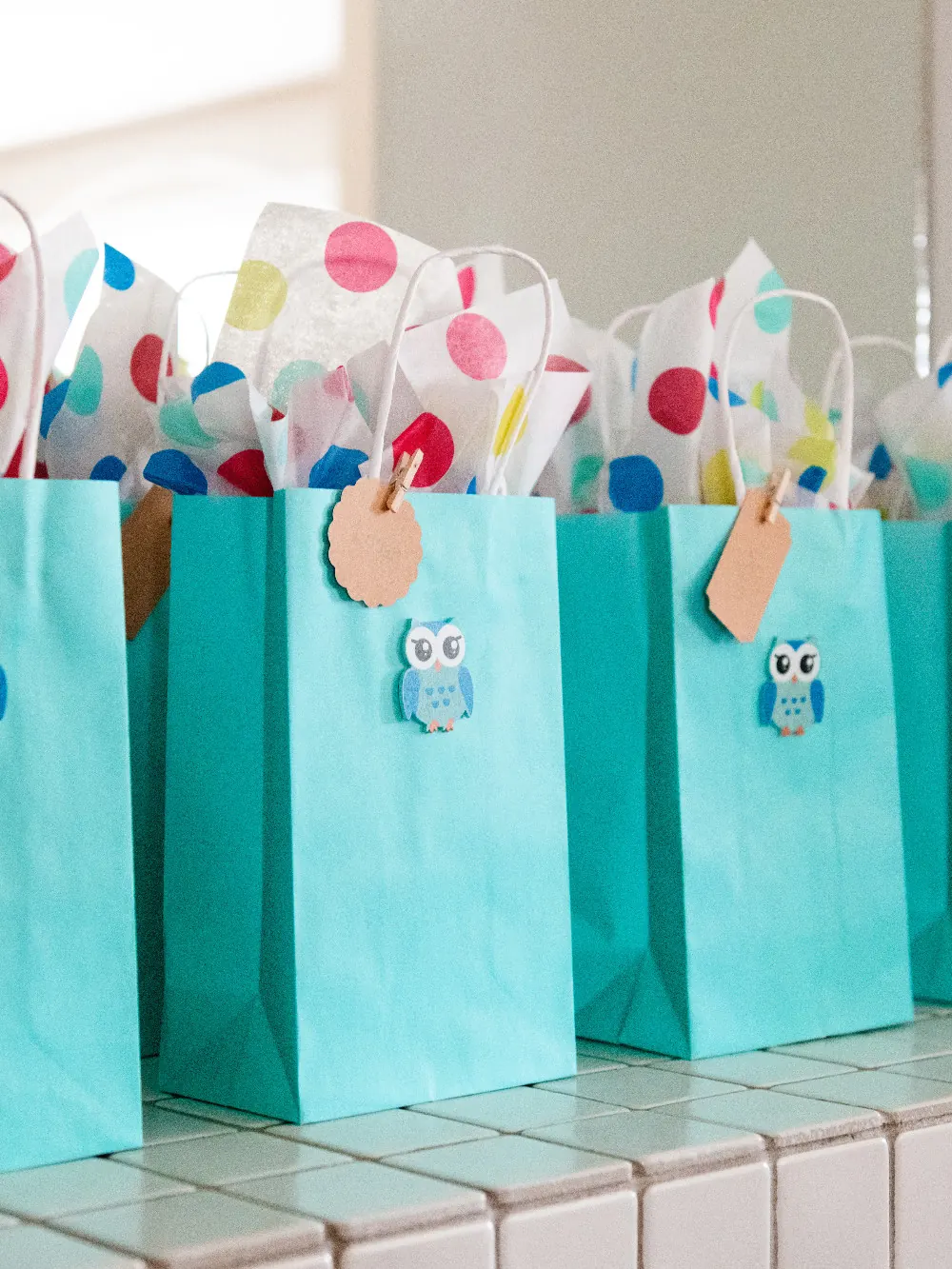
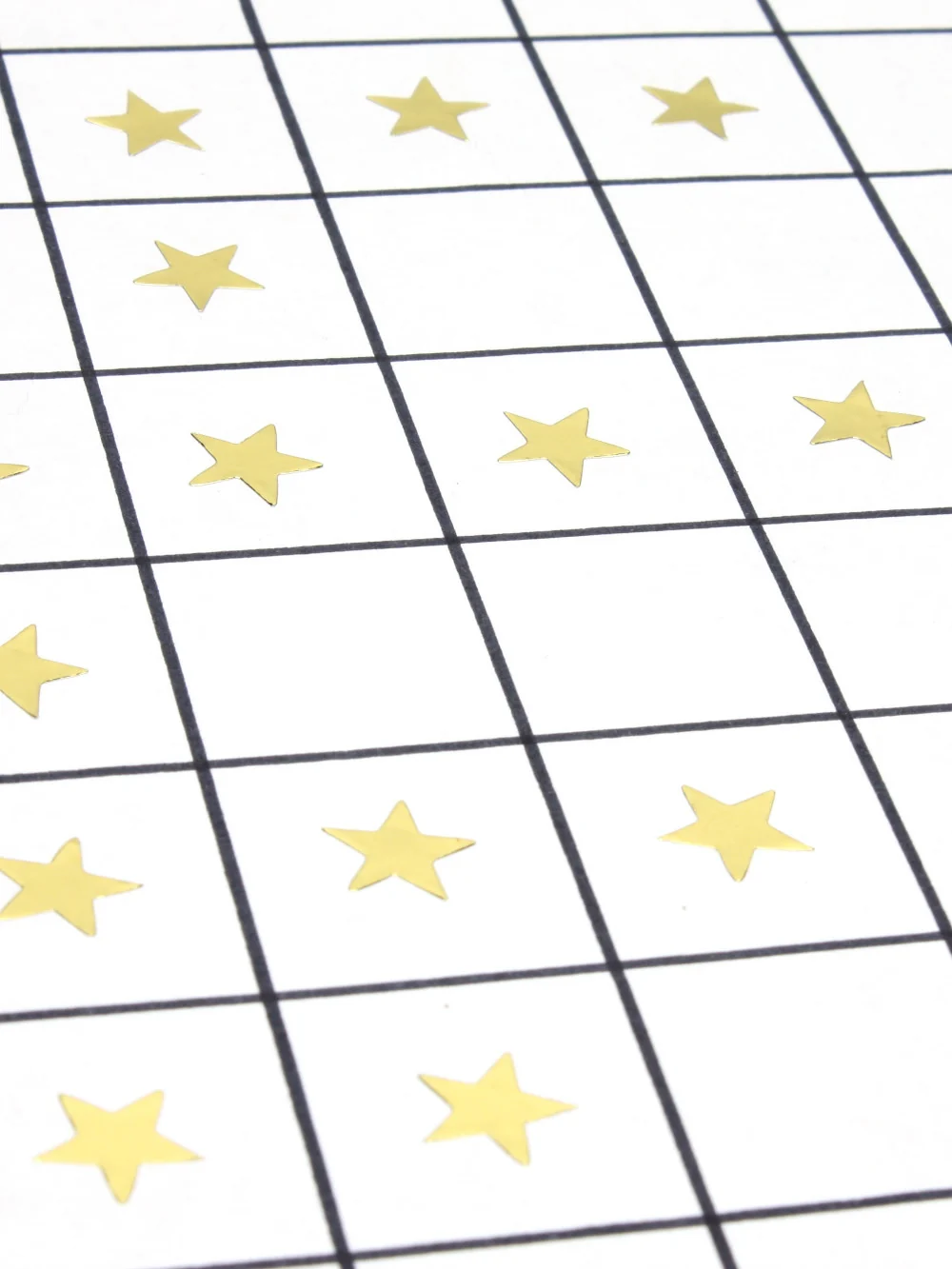
A little bag, a few stickers, and your toddler gets to do the packing. Praise and a star chart are both on the AAP’s list of things that help.
What can I give my 2 year old instead of a pacifier?
A comfort object is anything your child can hold or snuggle in the pacifier’s place, like a stuffed animal or a favorite bedtime book. For babies under 1, soft things stay out of the crib.
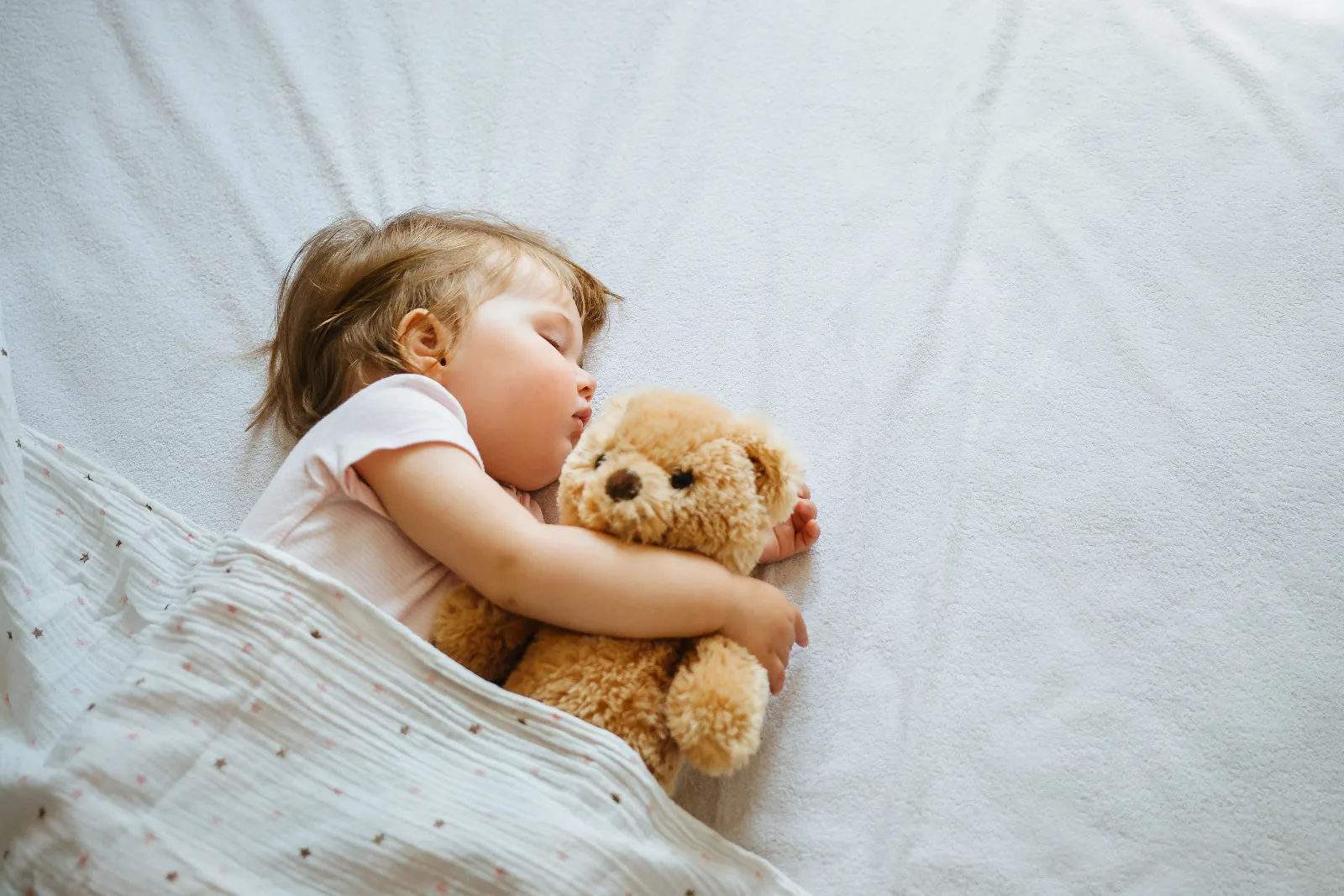
When Will was done with his pacifier, he turned over, hugged his teddy bear and fell asleep. He found that swap on his own. Plenty of parents in those goodbye threads offer the same kind of thing: a stuffed animal, plus a little more of you at bedtime, like an extra song, one more cuddle, or your hand on their back for a minute.
The age matters here. For babies under 1, the AAP’s safe-sleep advice is to keep soft objects and loose bedding out of the sleep area, including pillows, blankets and toys. Those recommendations are written for babies up to 1 year, so once your child is older, ask your pediatrician when a stuffed animal or small blanket can join them in bed.
 Save
Keeping a pacifier safe while you wean
Safety rules don’t pause during weaning: never tie it to the crib or hang it around the neck, never clip it to clothes at sleep, and replace any pacifier with torn or discolored rubber, even one on its way out.
Before the first birthday, the pacifier is doing a safety job during sleep. The AAP says pacifiers help lower the risk of sudden infant death syndrome, even if the pacifier falls out after your baby is asleep. Weaning a baby that young is a conversation to have with your pediatrician first.
Never tie a pacifier to the crib or around your child’s neck or hand. The AAP calls this very dangerous, because it could cause serious injury or even death. Under the U.S. Consumer Product Safety Commission’s pacifier rule, a pacifier can’t even be sold with a ribbon, string, cord or chain attached.
Check pacifiers every so often and replace any with rubber that’s torn or changed color. Don’t use a baby-bottle nipple as a pacifier, and never give one that’s dipped in or filled with honey: the AAPD, citing the U.S. Food and Drug Administration, warns that honey can carry spores of the bacterium that causes botulism.
One more check while you’re there: the AAP says the shield should be at least 1½ inches across, so a baby can’t fit the whole pacifier in their mouth. If you’re down to one last, well-loved pacifier for the final weeks, give that one a close look before bed.
What does nighttime pacifier weaning look like?
Keep bedtime exactly as it was, minus the pacifier: same steps, same order, same stuffed animal. Expect some hard nights, and don’t read one bad night as proof it isn’t working.
Nights can surprise you. Ali found bedtime less of a struggle than naps, since her toddler was so much more tired by then. Yours may go the other way, and that’s fine too.
My advice is to change as little as possible. Keep the same bedtime steps, in the same order, and let a stuffed animal or an extra cuddle take the pacifier’s spot at the very end. That way your toddler has one new thing to get used to at bedtime, and everything around it still feels familiar.
 Save
Handling setbacks without starting over
Some nights will go backward. Your toddler might be sick, or cutting a tooth, or just having a hard week, and suddenly the pacifier is all they want. A toddler’s need for comfort ebbs and flows, and a rough patch doesn’t mean you got it wrong.
 Save
Stay calm, keep your words kind, and keep praising the good nights. The AAP warns that putting too much pressure on a child to stop may cause more harm than good, and pediatric dentists say power struggles can make a habit last longer. If your child seems truly afraid or tense, the AAP’s advice is to stop right away. Pause, let things settle, and try again in a calmer stretch.
Frequently Asked Questions
At what age do you take away a pacifier?
There’s no single age every expert agrees on for taking away a pacifier. The AAP says strong sucking beyond 2 to 4 years may affect the teeth. The ADA says children usually stop between two and four. The pediatric dentists’ policy points to ending sucking habits by 36 months. Your child’s dentist can help you pick a time within that range.
When should you wean the pacifier?
Wean the pacifier when you’re ready to be patient through a few hard nights. Pediatric dentists note that limiting use around 18 months, when the canines come in, “has been recommended” for the bite. The AAP starts gentler still: its first suggestion for sucking habits is to ignore them, since most children stop on their own.
Is it bad to stop pacifier cold turkey?
Not necessarily. Stopping a pacifier cold turkey isn’t compared with going slowly on the AAP’s pacifier page or in the pediatric dentists’ policy. Many parents do it with a goodbye ritual and describe a few hard nights. What the AAP is firm about: if your child becomes afraid or tense, stop right away.
Should a 2-year-old still have a pacifier?
A 2-year-old with a pacifier is common, and you haven’t missed a deadline. The ADA says children usually stop between two and four, and the AAP says the bite has a good chance of correcting itself if the habit ends before the permanent front teeth come in. Two is a fine age to start shrinking it to sleep times.
Conclusion
If your toddler still reaches for a pacifier at bedtime, nothing has gone wrong. You have more time than the comment section suggests, and you don’t need a perfect method. A smaller role for the pacifier, a lot of praise, and a goodbye your child gets to help with will carry you a long way, with your pediatrician and dentist as the tiebreakers when the advice gets loud.
Tonight, give the pacifier one home beside the bed, and put it away once sleep is over. It’s a small rule, and it’s a real start.
Miri
Fewer toys, deeper play.
Further Reading & Resources
See all 14 sources
- Pediatricians: Baby Pacifiers & Thumb Sucking: What Parents Need to Know and How to Keep Your Sleeping Baby Safe: AAP Policy Explained (HealthyChildren.org, American Academy of Pediatrics)
- Dentists: Policy on Pacifiers (American Academy of Pediatric Dentistry) · Thumbsucking (MouthHealthy, American Dental Association)
- Safety: Pacifiers Business Guidance (U.S. Consumer Product Safety Commission)
- A parent’s story: How we weaned our toddler off the pacifier (Inspiralized)
- Parents on Reddit: When should I take away the pacifier?, When did you get rid of the pacifier?, Weaning vs cold turkey pacifier, What did weaning off the pacifier look like for your toddler? and Give me your pacifier weaning techniques & success stories (r/toddlers) · Dentist told us to not take away the pacifier till 4 and Pacifier weaning at 22mos (r/Mommit) · Weaning a creative 3 year old off a pacifier (r/Parenting)