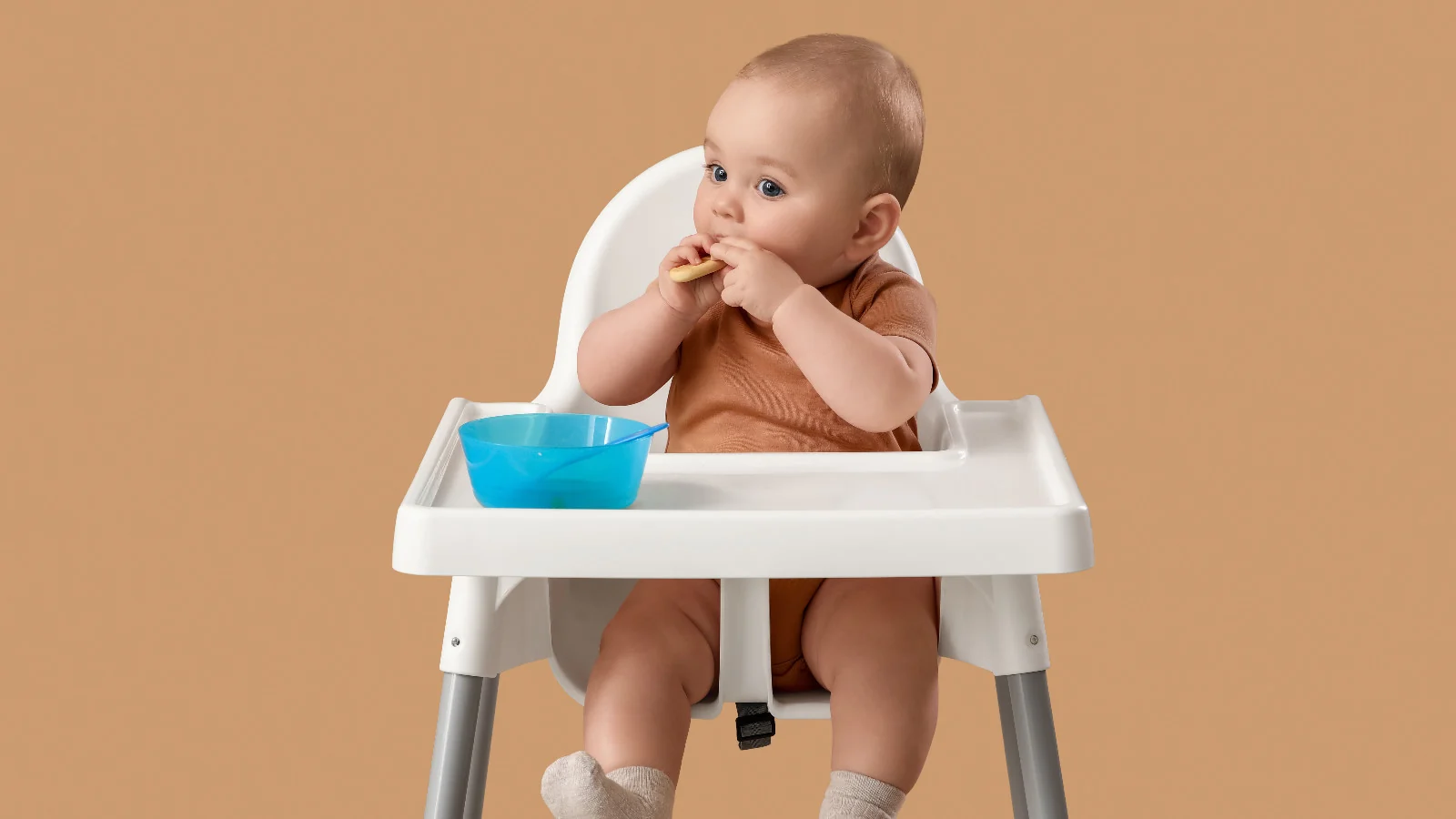
The broccoli was the piece that did it. Will bit off a chunk that was a little too big, his face went bright red, and a strangled, retching sound came from his throat. My heart just about stopped. Every instinct I had said to dive in and hook it out with my finger.
I didn’t, because our doctor had told us never to poke a finger blindly into a baby’s mouth. So I gripped the sides of my chair, took a breath, put on the calmest smile I could manage and told him, “You’re doing great, Will. Push it out.” A few seconds later, he did. Then he reached for the next piece like nothing had happened, while I sat there still catching my breath.
If your baby is around six months old, you’ve probably seen baby-led weaning all over your feed. Then there’s that gag, the sound that sends a lot of parents back to the spoon. BLW was one of two non-Montessori approaches we used in Will’s first year, along with the EASY routine. Here’s what I’d want a friend to hand me, from Will’s real first meal to how a gag differs from choking.
What is baby-led weaning?
Baby-led weaning (BLW) is a way of starting solid foods where your baby feeds themselves soft pieces of real food at their own pace. “Weaning” here means adding solids, so breast milk or formula carries on alongside.
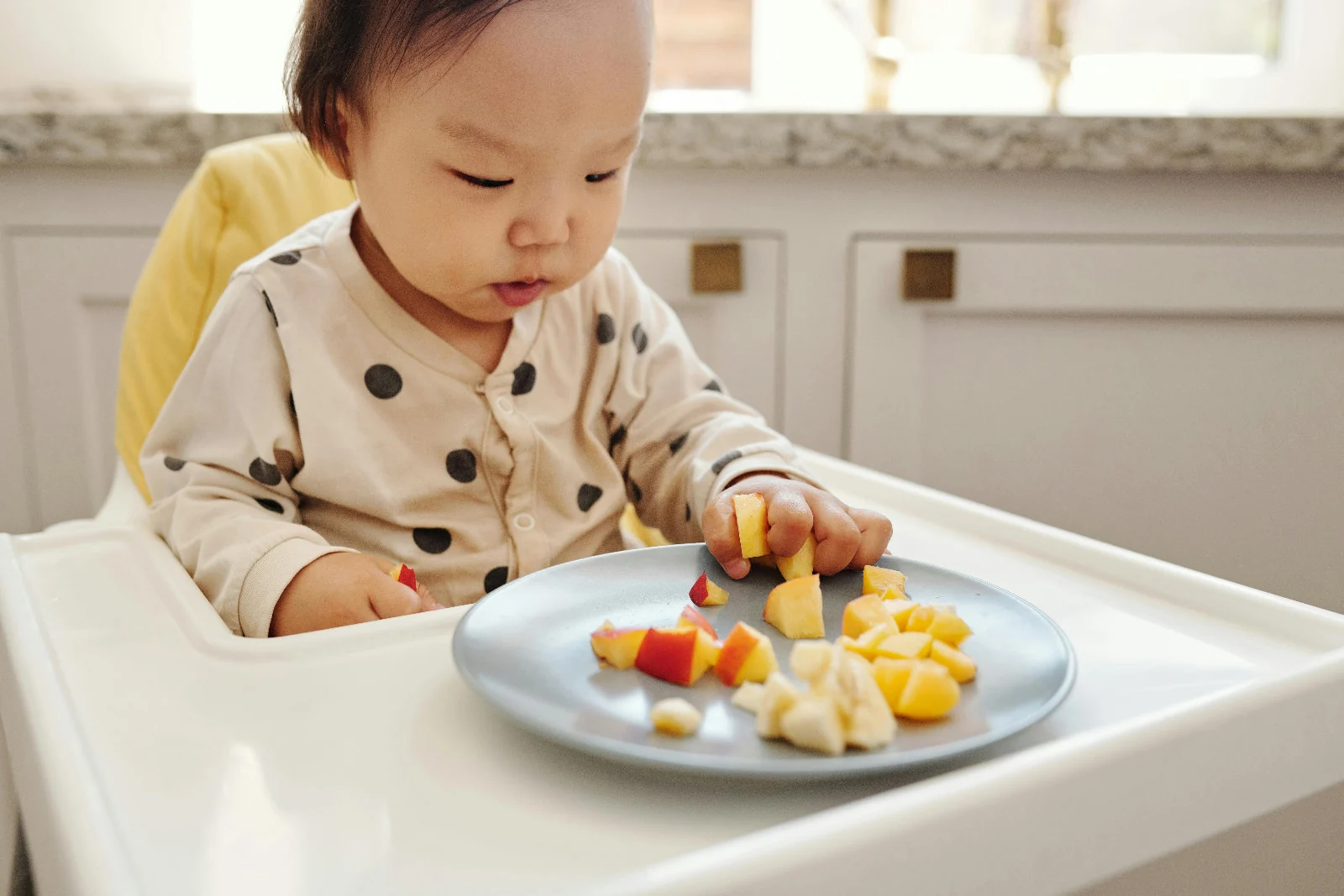
In a 2011 paper, Gill Rapley describes baby-led weaning as an approach to introducing solid foods at the baby’s own pace. The practical difference is who holds the food. You put a few soft pieces on the tray, and your baby decides what to pick up and when they’re done. The Centers for Disease Control and Prevention (CDC) doesn’t use the term baby-led weaning, but it does encourage parents to let babies pinch or pick up food with their fingers.
BLW didn’t come from Maria Montessori, and I won’t dress it up as if it did. Pairing the two just felt natural to me: BLW at the table, plus the Montessori habit of stepping back so Will could do what he was ready to do himself.
 Save
Is there any benefit to baby-led weaning?
Some research is reassuring, mostly about choking: in one randomized trial, babies on a modified baby-led approach with choking-risk advice didn’t appear to choke more than babies fed the traditional way. Beyond that, the proof is thin.
Two papers are worth knowing, both reporting the same New Zealand trial, called BLISS, which its researchers describe as a form of baby-led weaning. It’s a modified version, and the change matters: families got advice on minimizing choking risk.
- Choking: a 2016 report in Pediatrics found babies on that baby-led approach, choking advice included, didn’t appear more likely to choke than babies fed the traditional way. Even so, the researchers found it concerning that so many children in both groups were offered foods that pose a choking risk.
- Weight: a 2017 report in JAMA Pediatrics found the approach didn’t lead to a more appropriate BMI than traditional spoon-feeding.
The American Academy of Pediatrics (AAP) lands in a similar place. As of December 2024, its baby-led weaning page says choking is one of the leading causes of unintentional death for infants, and that “some studies suggest” BLW doesn’t pose higher choking risks than traditional feeding. Keep that careful wording in mind, since the reassuring trial came with choking advice attached. The same page notes that when a baby bites off too much, the extra spills out of their mouth, which is how they learn what fits, and with daily practice they gag less.
If someone promises BLW will make your baby healthier or a better eater, the accountant in me wants to see the receipts first.
When should you start baby-led weaning?
Your pediatrician’s advice comes first. The CDC says solids can start at about 6 months and not before 4 months, once your baby can sit up alone or with support and control their head and neck.
Readiness also “depends on their own rate of development,” according to the AAP, and the signs it lists are ones you can watch for at dinner this week: sitting in a high chair or feeding seat with good head control, watching you eat, reaching for your food and seeming eager to be fed. Finger foods can come once your baby can sit up and bring their hands or other objects to their mouth, as long as the food is soft, easy to swallow and cut into small pieces.
Milk doesn’t step aside on day one. The AAP recommends only breast milk for about the first 6 months, then continued breastfeeding alongside first foods, and it calls starting solids gradual: at first, your baby still gets most of their nutrition from breast milk, formula or both.
The AAP’s baby-led weaning page also lists downsides: your baby may take in too few calories, and BLW foods might not have enough iron and other micronutrients. For some babies it’s better to wait, so check in with your pediatrician before you start.
Will started at exactly six months, once he could sit steadily in his feeding chair without tipping over. If your baby is past six months and you’re worried you’ve waited too long, look at the signs before the calendar and bring it up with your pediatrician. Watch first, then offer.
 Save
BLW first foods: what Will ate, and how to cut them
Pick one or two soft foods, cook or ripen them until they mash easily, and cut them into pieces your baby can grab. Will’s first meal was ripe avocado and steamed broccoli, and almost none of it reached his stomach.
For BLW, the AAP’s advice (as of December 2024) is to “think soft”: foods your baby can mash with their gums or chew with just a few teeth. Its examples are ripe bananas, berries and avocados, plus steamed, softened veggies like broccoli or carrots.
Shape matters as much as texture. That same page says to cut foods into finger-shaped pieces, about like a small baby carrot, so your baby can grab one end and chew the other, and to skip round, coin-shaped slices of veggies, fruit or meat because they can raise the risk of choking. The baby carrot only shows the shape: the AAP’s choking-prevention page lists “raw vegetables, such as carrot sticks” among its high-risk foods.
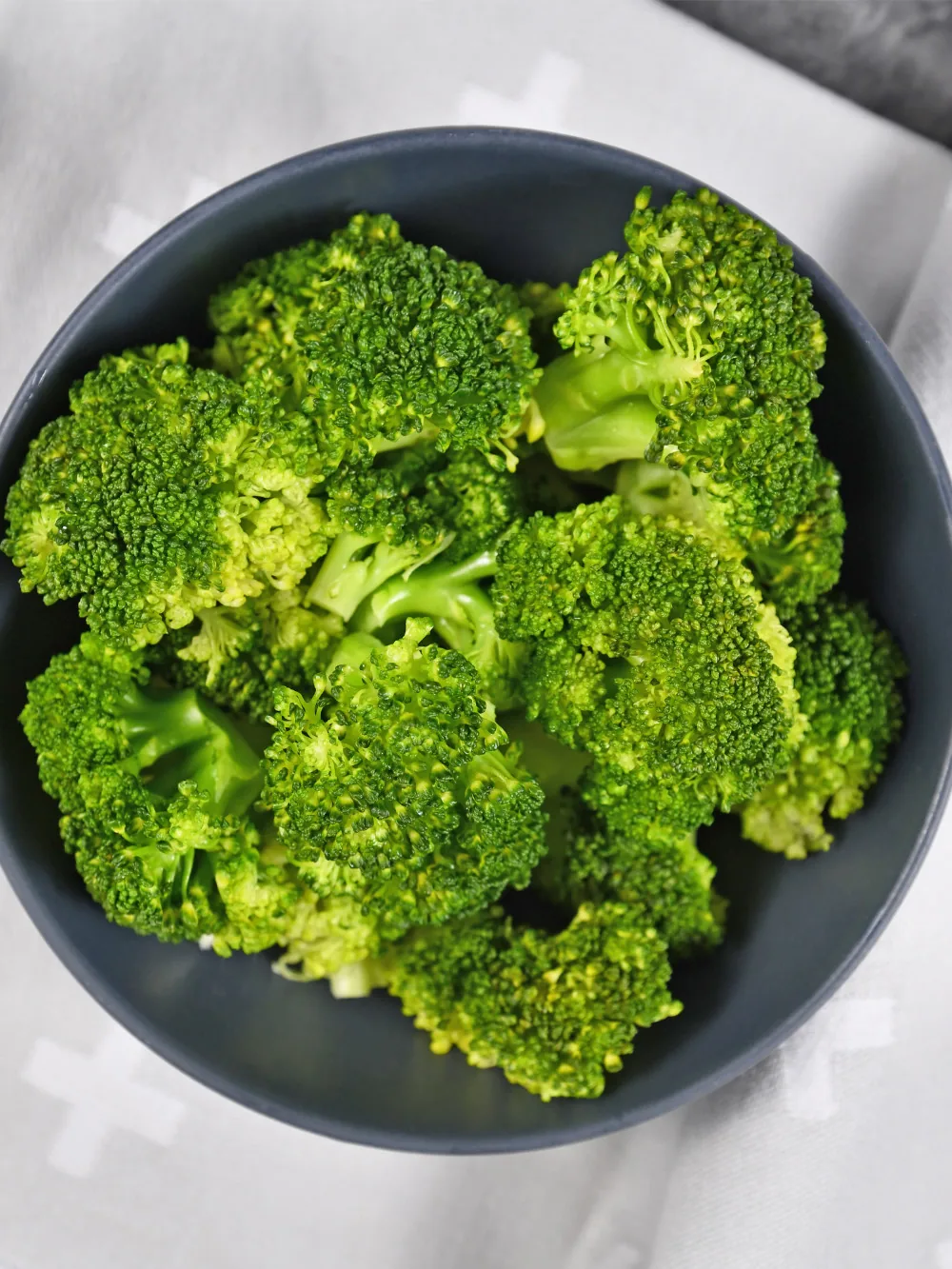
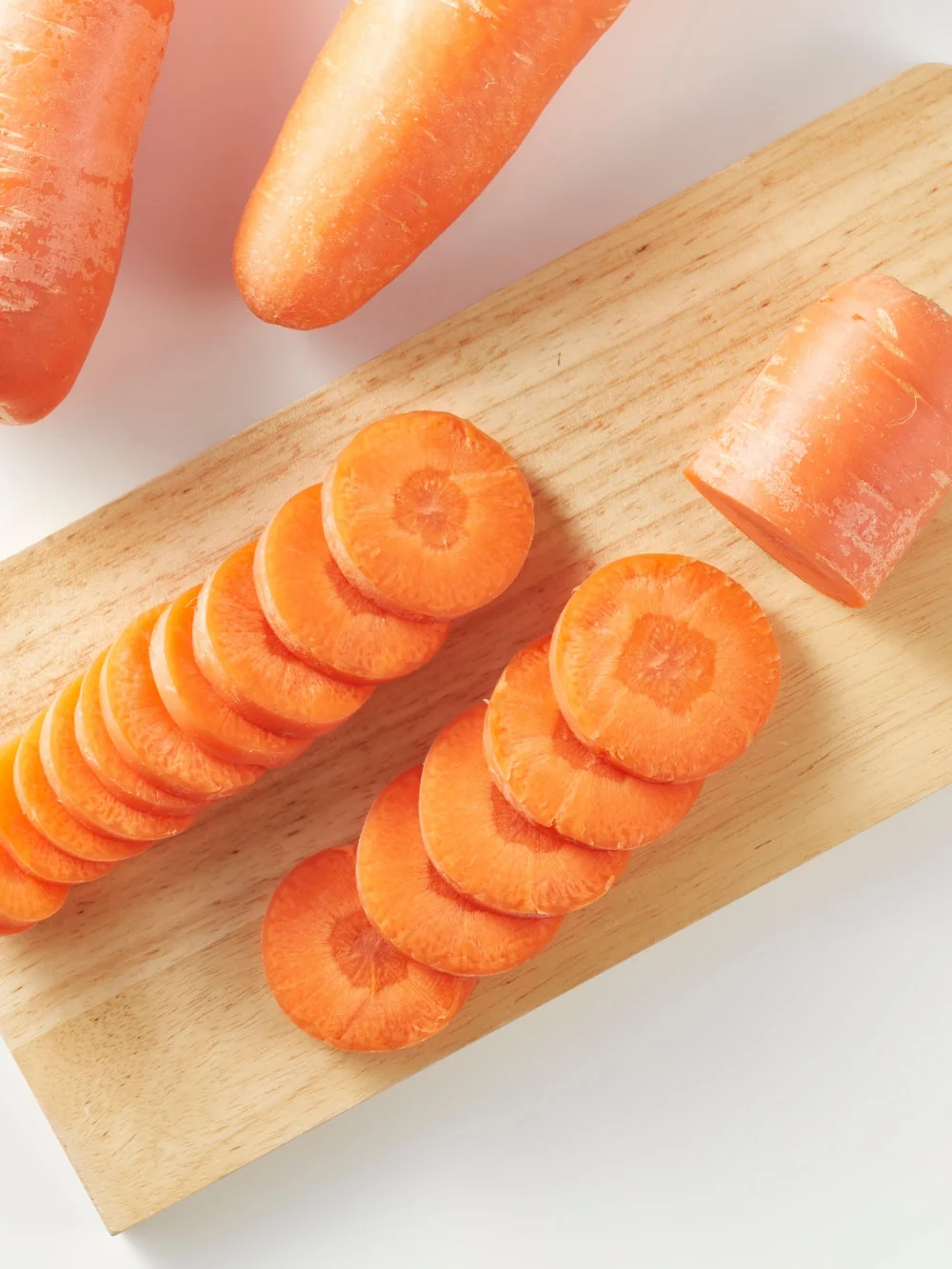
Soft enough to squish between two fingers, and shaped so a small fist can hold one end. Round, coin-shaped slices are the shape the AAP’s baby-led weaning page says to skip.
Over at the CDC, the advice reads like a kitchen checklist: foods that dissolve easily with saliva and don’t need chewing, cooked until you can mash them with a fork, cut into small pieces or thin slices. And always watch your baby while they eat.
One wrinkle. The AAP’s general choking-prevention page says to cut food for infants and young children into pieces no larger than one-half inch, and to teach them to chew well. That’s a different instruction from the finger shape on its BLW page. Both are the AAP’s words, and I’d rather show you both than quietly pick one, so ask your pediatrician which fits your baby. As you add foods over the following weeks, the AAP also says to include ones with iron and zinc, such as baby food made with meat or iron-fortified cereals.
Will’s first meal: avocado and broccoli
Will was exactly six months old and sitting steady in his chair. This is what went on his tray, and what happened next.
- Step 1: Ripe avocado, soft all the way through, cut into long pieces about the size of two adult fingers so his clumsy little hands could get a grip.
- Step 2: Broccoli florets, steamed until they squished easily between two of my fingers. The avocado had to pass the same squish test before it went on the tray.
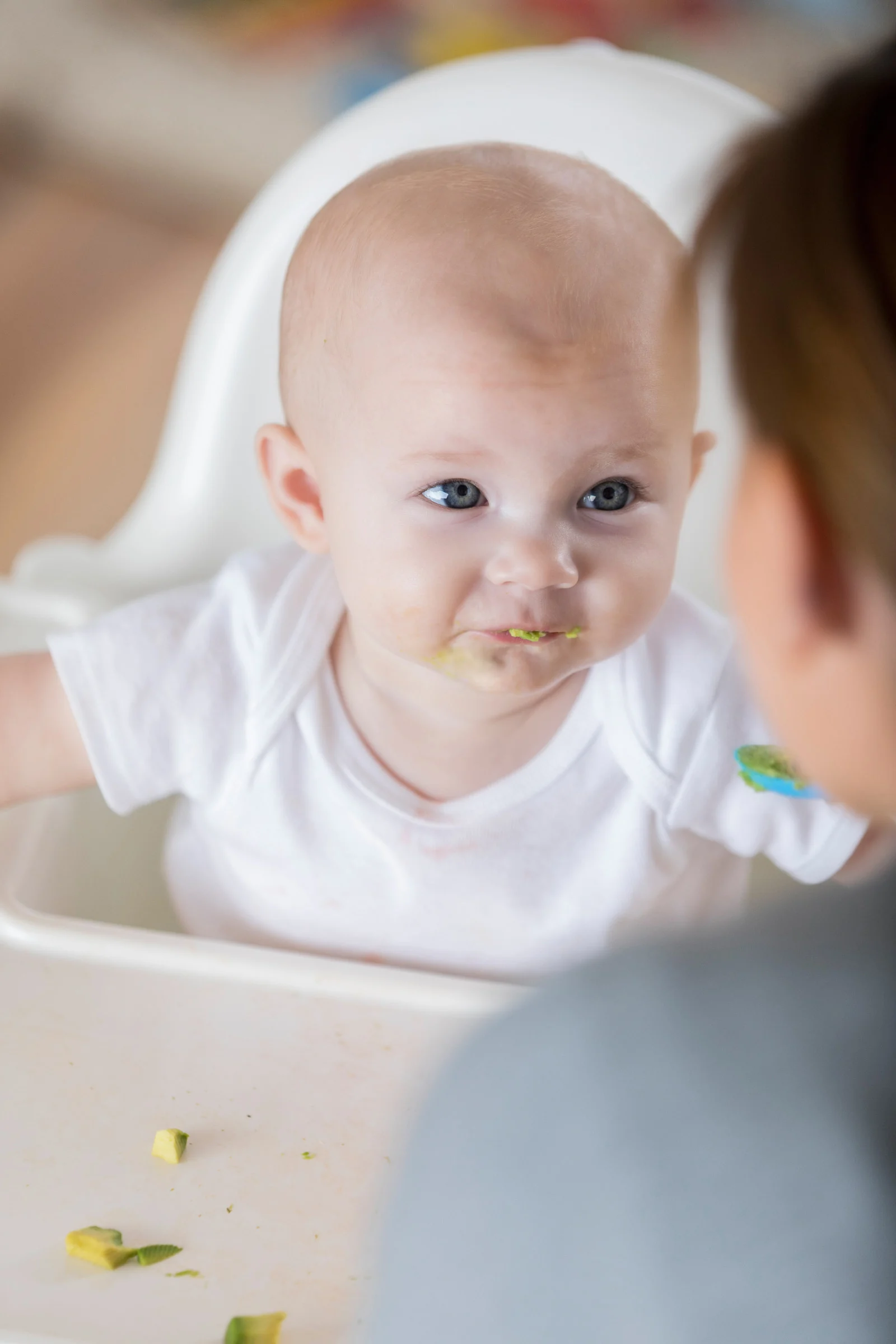
- Step 3: Will stared at the green pieces, completely baffled. Then he reached out, grabbed a piece of avocado and squeezed it until it was smeared from his face to his hairline. A bite of broccoli made it in, and that was the gag from the top of this post.
By the end, I’d guess less than a teaspoon of food had actually gone into him. The floor got the rest. He looked thrilled, I laughed and gave up on the mess, and I felt ridiculously proud of him.
A first meal that’s mostly on the floor still counts.
That teaspoon is normal. Parents on r/BabyLedWeaning even have a name for it: plate vs. ate, what went on the tray next to what actually got eaten. At first, milk is still doing most of the work.
 Save
If your baby cries or turns away, the AAP says not to make them eat; go back to breast or bottle feeding for a while and try again later. And if you’re worried your baby is eating too much or too little, that’s a conversation for your child’s doctor.
Is gagging the same as choking?
No. Gagging is a protective reflex that keeps food out of your baby’s airway. Choking is when your baby can’t breathe, cry or make noise, and it needs help right away.
Most worry about baby-led weaning choking comes down to this difference. A pediatric symptom guide on HealthyChildren.org calls gagging “a good body reflex” that keeps food out of the airway and helps prevent choking. The same guide says gagging means you need to slow down, with smoother foods or smaller amounts. If it keeps happening, mention it to your pediatrician. The CDC adds that a baby learning new textures might cough, gag or spit up.
Choking looks different. The AAP says a child may need help right away if they can’t breathe, are gasping, can’t cry or make noise, turn bluish, grab at their throat or go limp. If your baby can still cough or cry, the American Red Cross says to encourage the coughing, keep watching and stay with them, and MedlinePlus says not to start choking first aid on a baby who’s coughing forcefully or crying strongly.
My husband and I took an infant CPR and choking first aid class before we started BLW, and the way the difference was drilled into me there is what kept me in my chair. A baby who’s gagging out loud, coughing and going red in the face still has air moving and is working the food out. A baby who goes wide-eyed and silent, can’t make a sound, starts turning blue and looks panicked needs help now.
 Save
Side by side, it looks like this.
| What you notice | Gagging | Choking |
|---|---|---|
| What it is | A protective reflex that keeps food out of the airway | An emergency: your baby may not be able to breathe |
| Sound | Coughing, gagging or spitting up; a strong cry | Weak or no cough, high-pitched squeaking, or no sound at all |
| Breathing and color | Breathing enough to cough forcefully | Can’t breathe, gasping or wheezing; skin turns pale or bluish |
| How they look | Extra food may spill back out of the mouth | Panicked or surprised look, grabbing at the throat, going limp |
| What you do | Stay close and calm, let them cough, keep watching | Call 911 and start infant choking first aid |
This side-by-side is our own summary of the AAP, Red Cross, MedlinePlus and HealthyChildren.org pages. None of them lays the two out together like this, and none of it replaces a hands-on class. I push the class hard because of one AAP number: most children who die from choking are under age 5, and two-thirds of them are babies under a year old.
If your baby can’t breathe, can’t cough, cry or make a sound, or is turning blue or going limp, treat it as choking. Call 911 and start infant choking first aid right away. Never sweep a finger blindly through your baby’s mouth: the Red Cross and MedlinePlus both say to go after an object only if you can actually see it.
First aid for a baby under 1 is different from first aid for an older child, so learn the infant version in person. The AAP recommends a certified CPR and first aid course, and your local American Red Cross or American Heart Association can point you to a class.
The first-week fear list
Name the fear, check it against what pediatric guidance actually says, and change one small thing at the next meal. The six below come from parents starting BLW this year, and nearly everyone has at least one.
If you’re in the thick of week one, you’re in good company. These six come up again and again from parents on r/BabyLedWeaning.
The big bite. One parent asked what happens if their son bites off a big piece and it gets stuck. The AAP’s BLW page has the reassuring part: the extra spills out of a baby’s mouth, and that’s how they learn what fits. The gag reflex keeps food out of the airway, and the finger shape gives them one end to hold.
The crumbles. Another parent watched a strip of egg break into tiny bits and wondered whether to pick them up. The official pages I rely on don’t answer that directly, so I won’t make up a rule. They do cover the setup: food soft enough to mash with a fork, your baby sitting down, an adult watching the whole meal.
The label. A third parent was confused by a food guide that showed how to serve a food and also called it a choking hazard. Both can be true. The AAP lists high-risk foods to avoid or change until age 4 or older, and says round, firm foods like grapes can be served if completely chopped into tiny pieces. Under 1, some foods simply wait (the list is in the next section).
The long purée phase. This one’s quieter. A parent with an 8-month-old was scared to start solids at all, and another got a late start to BLW for the same reason. Plenty of parents admit the fear set the pace more than the baby did. The AAP ties finger foods to skills you can see, like sitting up and bringing things to the mouth. The CDC says lumpier foods can come as eating skills develop, with no month for the switch, so check the readiness signs above and ask your pediatrician.
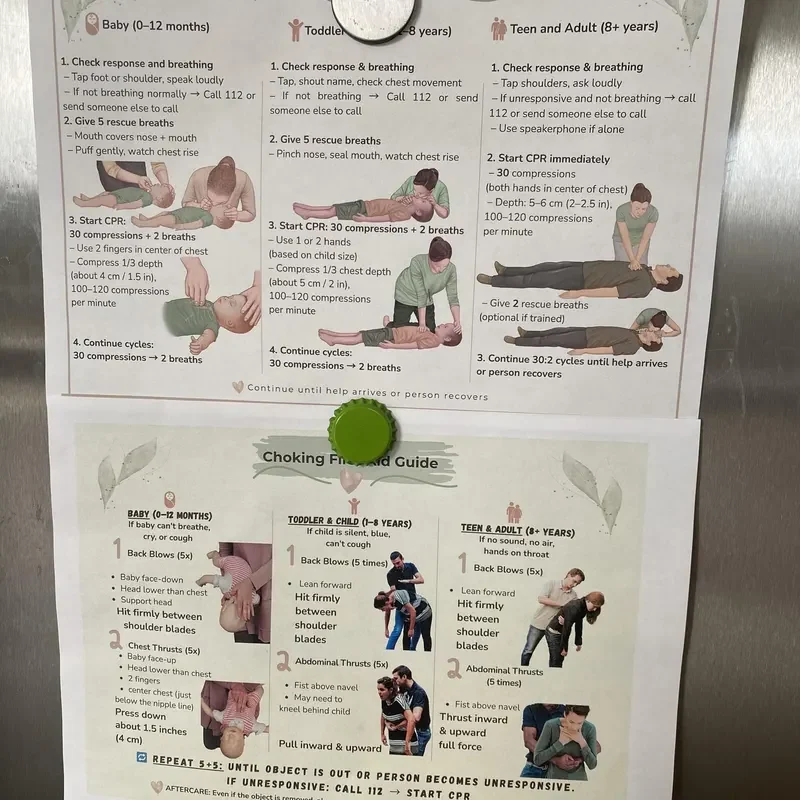
The heart-stopping gag. In threads about choking anxiety, like this one on extreme choking anxiety, a first-aid class comes up again and again as the fix. That’s what helped me, too. Before we started, my husband and I took that infant class, and a choking first-aid chart went up on our fridge door. I still gripped my chair the first time Will gagged. But I knew what I was looking at.
When your baby gags, the bravest thing at the table might be your own still hands.
 Save
The grab. Then there’s family. In one thread, a parent described their mother-in-law swiping food right out of the baby’s mouth. It comes from love, and it’s still worth a calm talk before the next visit: no first aid on a baby who’s coughing forcefully or crying strongly, and nobody reaches for food they can’t see. Table 1 makes a good conversation starter, and there’s more on making Montessori work at the grandparents’ house.
What foods should babies avoid before age 1?
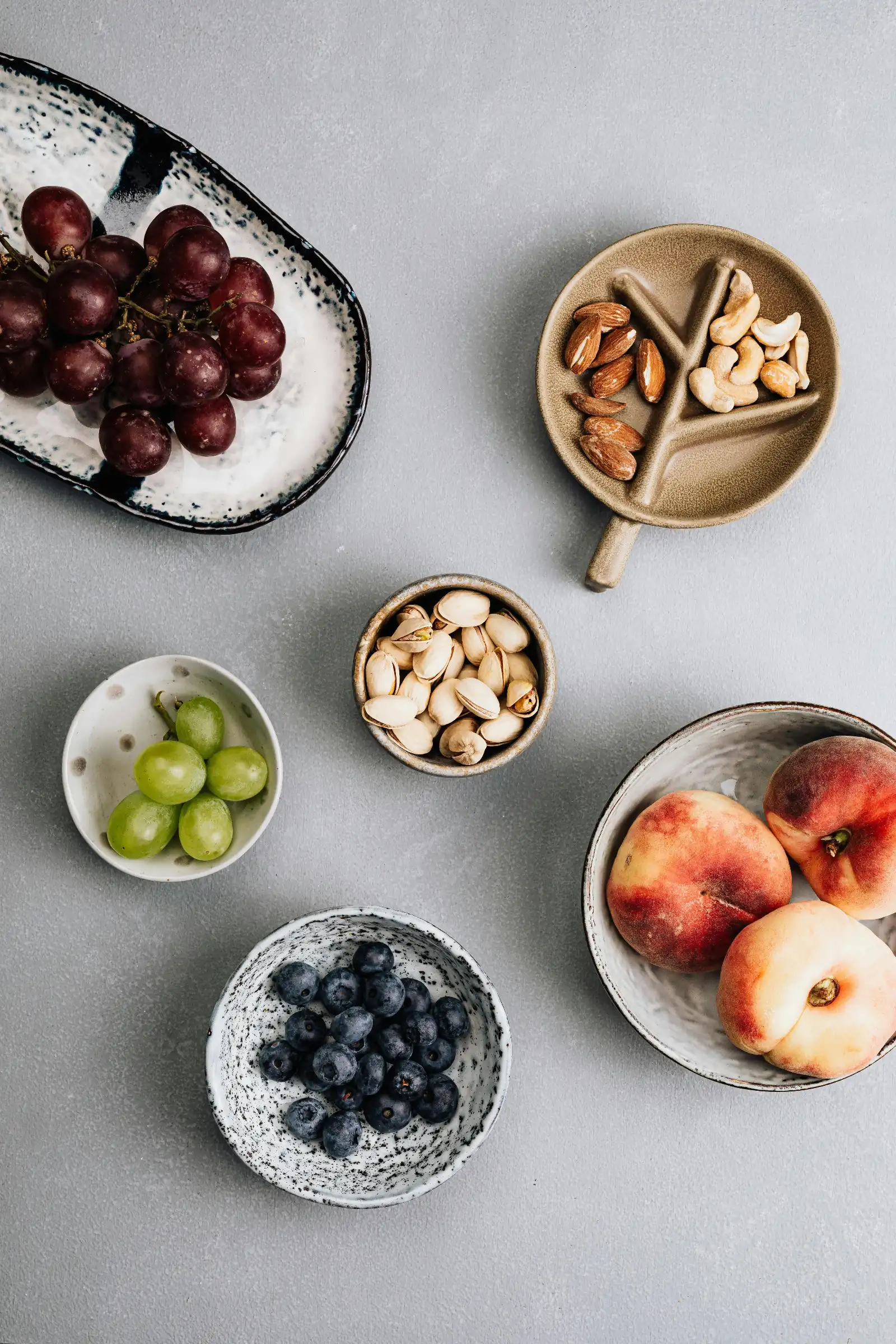
Honey, juice and cow’s milk as a drink all wait until after 12 months. Hard, round or chunky foods like nuts, whole grapes, popcorn and raw vegetables stay off the tray, and nothing gets added salt or sugar.
The AAP’s list of foods to avoid under 1 is worth reading slowly: hot dogs (including meat sticks and baby food “hot dogs”), nuts and seeds, chunks of meat or cheese, whole grapes, popcorn, chunks of peanut butter, raw vegetables, fruit chunks like apple chunks, and hard, gooey or sticky candy. Its choking-prevention page keeps high-risk foods away until age 4 or older, depending on the child, with fixes like spreading nut butters thinly.
 Save
Then there are the drinks and add-ins:
- Honey: none before 12 months, because the CDC says it may cause botulism, a severe food poisoning.
- Added sugar: none before 24 months, per the CDC.
- Salt: the AAP says to cook with no added salt or seasoning and to limit processed foods made for adults.
- Juice: none before 12 months, then no more than 4 ounces of 100% juice a day from ages 1 through 3.
- Cow’s milk as a drink: not until after 12 months (the CDC links it to intestinal bleeding), then whole milk from 12 to 24 months, per the AAP’s drinks chart. Your pediatrician can tell you which milk fits your child.
That salt rule is where “just feed them what you eat” gets harder than it sounds. One parent on r/BabyLedWeaning put it plainly: they know babies aren’t supposed to have added salt, and their family eats very flavorful food. If that’s your house too, set your baby’s portion aside before you season the pot.
Water is the one drink that joins early. The AAP says a little is fine once solids begin, in a cup, up to 1 cup (8 ounces) a day. If you’re picking one, starting an open cup is a topic of its own.
No honey in any form before 12 months: not in food, water or formula, and not on a pacifier. No cow’s milk to drink before 12 months. Keep whole grapes, nuts, popcorn, raw vegetables and other hard, round or chunky foods off your baby’s tray; the AAP says round, firm foods like grapes can be served only once they’re completely chopped into tiny pieces.
Baby-led weaning vs. purées: which should you start with?
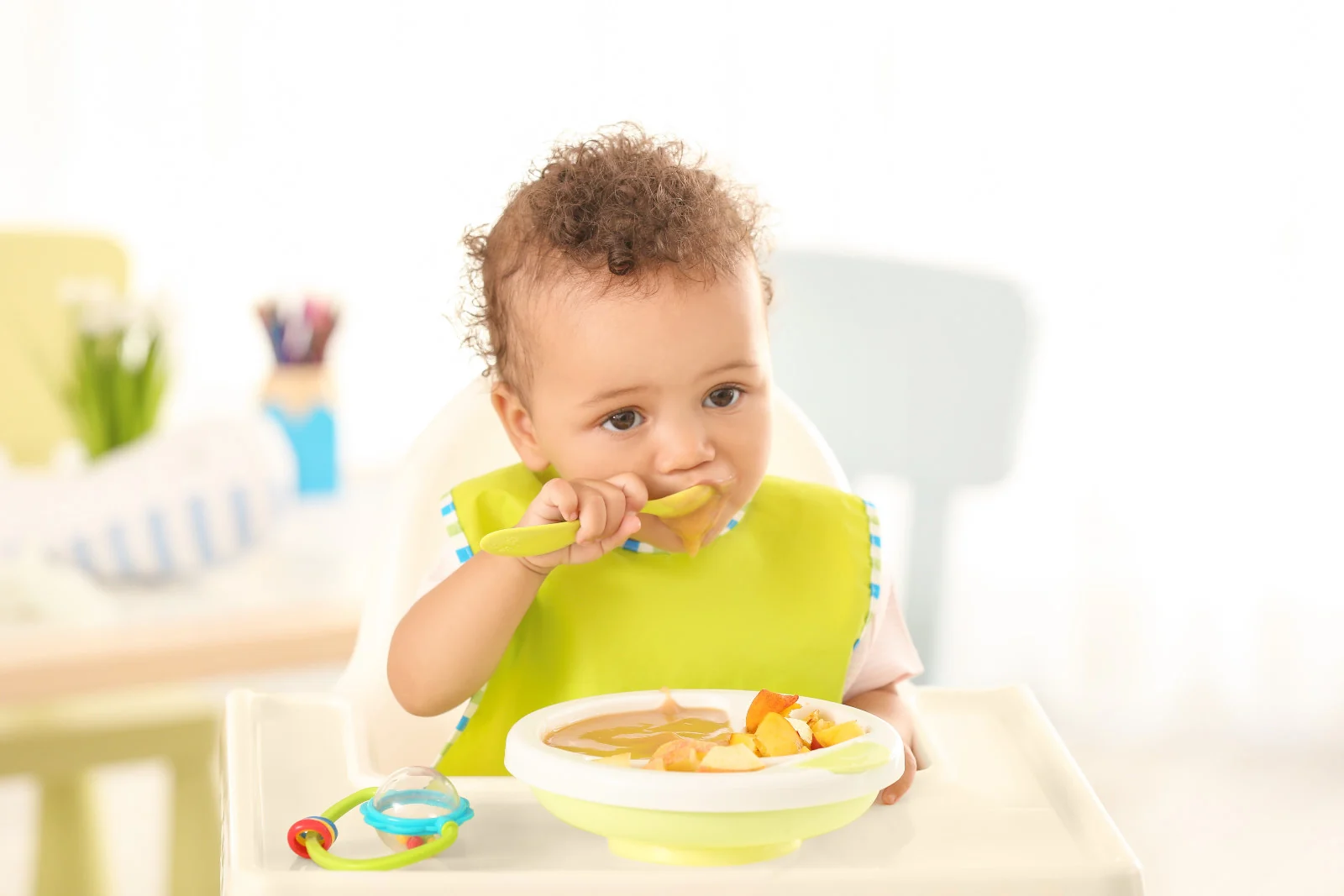
Both are common ways to start. The AAP says first foods should be soft or puréed to prevent choking, so the real choice is who holds the food: your baby with soft pieces, or you with a spoon.
I’m not here to talk anyone out of purées. The CDC says smooth, mashed or strained foods are easier at around 6 months. After Will’s first gag, a loud part of me wanted to take the food away and spoon-feed him smooth porridge to be safe. We stuck with BLW, and I completely understand the families who choose the spoon.
Plenty of families land in the middle. Some BLW parents switch to pre-loaded spoons once their baby refuses to be spoon-fed: you put the food on the spoon, hand it over, and your baby does the rest.
| Baby-led weaning | Spoon-fed purées | |
|---|---|---|
| Who holds the food | Your baby, picking up soft pieces | You, offering a spoon |
| First textures | Soft finger foods like ripe avocado, banana or steamed broccoli | Smooth mashed, puréed or strained foods |
| What the AAP says | Finger foods once your baby can sit up and bring things to their mouth; soft, easy to swallow, small pieces | Soft or puréed foods to start, to prevent choking |
| What the CDC says | Let babies pinch or pick up food with their fingers | Smooth textures are easier at first, lumpier ones as skills grow |
| Gagging | Common while learning; eases with daily practice | Can happen as new textures come in |
 Save
How do you start baby-led weaning?
Take an infant first-aid class, buckle your baby into a high chair and sit with them, offer one new food at a time, and let your baby decide how much to eat.
You don’t need special gear beyond a chair with a harness. The order matters more.
- Learn infant first aid before the first meal. It’s the one step I’d never skip.
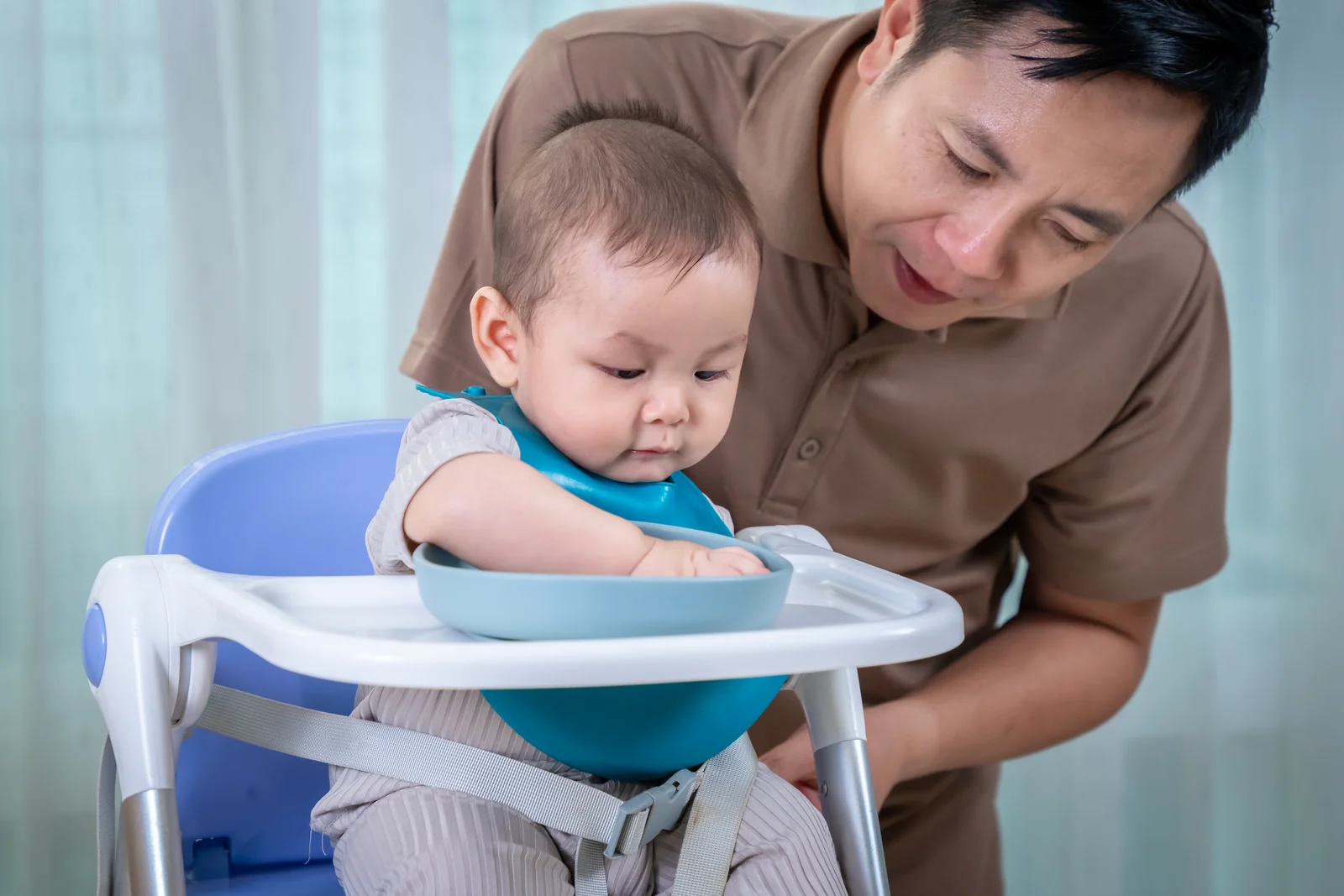
- Buckle up and sit down together. For BLW, the AAP says (as of December 2024) to sit your baby in a high chair and buckle the harness while they eat. Its choking-prevention page adds that infants and young children should be supervised at mealtimes. More on where your baby sits for meals.
- Offer one new food at a time. The CDC suggests 3 to 5 days between new foods, with allergens like eggs and nut butters alongside other foods. The AAP says there’s no evidence that waiting past 4 to 6 months to offer soft versions of them prevents food allergy. Severe eczema or an egg allergy? Ask your child’s doctor first about peanut products.
- Let your baby set the amount. Resting between bites and stopping when full are part of learning to eat, the AAP says.
 Save
Ask parents on r/BabyLedWeaning what caught them off guard, and the mess comes up again and again. After our early meals, the kitchen looked like a battlefield, so I picked up a few tricks.
 Save
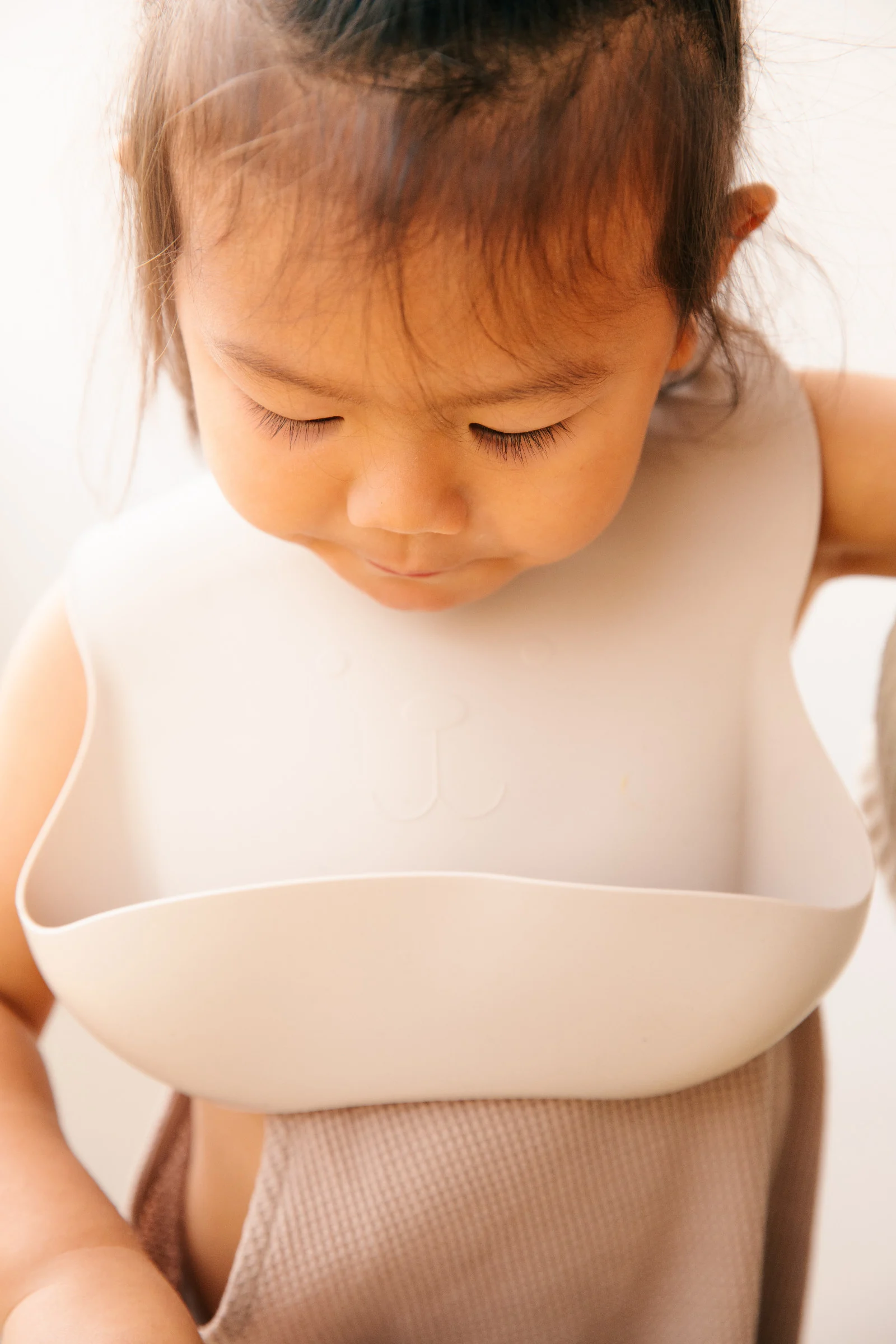
Don’t wipe your baby’s face or the tray while they’re still chewing; I left Will alone until the meal was completely over. A big silicone catch-all bib caught about half of what fell. A plastic mat under the high chair meant I could gather up the four corners afterward and rinse it off at the sink.
Miri’s Tip
Those first weeks are practice for both of you: your baby learning what fits, and you learning to stay calm through a gag and a mess.
Frequently Asked Questions
What does BLW stand for, and what is it?
BLW stands for baby-led weaning, a way of starting solids where your baby feeds themselves soft pieces of food instead of being spoon-fed. Gill Rapley describes it as an approach to introducing solid foods at the baby’s own pace. “Weaning” here just means adding solids. Breast milk or formula carries on alongside.
Why did they change weaning from 4 to 6 months?
Current guidance points to about 6 months. The CDC says solids can start at about 6 months and that introducing foods before 4 months isn’t recommended. The AAP recommends only breast milk for about the first 6 months, then breastfeeding alongside first foods. Readiness signs, like sitting up with good head control, matter as much as the date.
Conclusion
Your nerves are a good sign. They mean you’re paying attention, and that’s what this stage asks of you. Pick one soft food that squishes easily between two fingers, sit close, and let your baby make a glorious mess. Will’s first try was mostly avocado on his face and food on the floor, and it was still a real first meal.
Choose one soft food for this week and put an infant first-aid class on the calendar. Learning before you start is the hard part, and you’re already doing it.
Miri
Fewer toys, deeper play.
Further Reading & Resources
See all 13 sources
- American Academy of Pediatrics (AAP), HealthyChildren.org: When Can Babies Start Solid Foods? · Baby-Led Weaning: Is It Safe? · Choking Prevention for Babies & Children · Recommended Drinks for Young Children Ages 0–5 · Solid Foods (Baby Foods) (symptom checker)
- Centers for Disease Control and Prevention (CDC): When, What, and How to Introduce Solid Foods · Tastes and Textures · Foods and Drinks to Avoid or Limit
- First aid: Infant Choking: How To Help (American Red Cross) · Choking – infant under 1 year (MedlinePlus, National Institutes of Health)
- Research: Effect of a Baby-Led Approach to Complementary Feeding on Infant Growth and Overweight (JAMA Pediatrics, 2017) · A Baby-Led Approach to Eating Solids and Risk of Choking (Pediatrics, 2016) · Rapley, “Baby-led weaning: transitioning to solid foods at the baby’s own pace” (Community Practitioner, 2011, PMID 21739856)
- Real parents: r/BabyLedWeaning (Reddit)