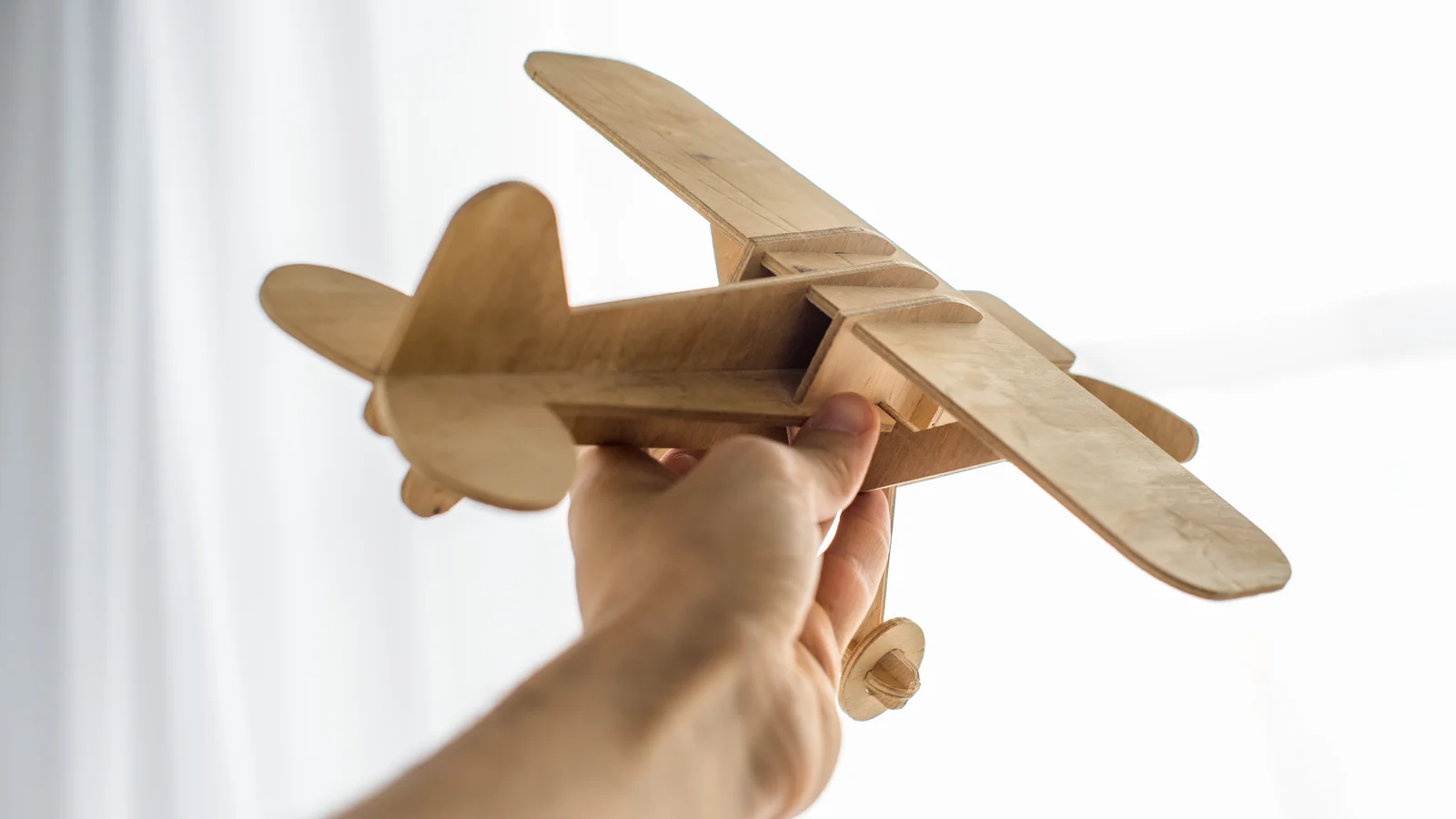
The recall story comes on during the evening news, and the toy in the photo looks a lot like the one in the gift bag on your kitchen table. Same pale wood, same shape, maybe even the same brand on the box. Your first thought is to throw it out. Your second is to wonder what else you’ve bought.
Hold on to it for a minute. What the headline leaves out is that a recall covers specific model numbers and date codes, and the notice from the U.S. Consumer Product Safety Commission (CPSC) tells you where to find them on the product. In a 2025 notice for a folding learning tower, that spot was “a label on the underside of the platform.” A toy that only looks similar isn’t covered by that recall. A toy whose numbers match is, wherever you bought it.
A news story about product recall toys can’t see the label on yours. You can. Checking for recalls is one small piece of babyproofing your home, and for anyone who gives gifts, it’s the piece that travels with the toy: new, secondhand or handed down.
How to check toy recalls on the CPSC site
Open CPSC’s recall page, narrow the list by category and hazard, and open the notice that looks like your toy. Then match the model number and date code it lists against the label on the toy in your hands.
You don’t need the receipt or the original box for this, just the toy and the recall notice open next to it on a phone or a computer.
 Save
Five steps, in this order:
- Open CPSC’s recall page. It’s at cpsc.gov/Recalls, under the heading “Recalls & Product Safety Warnings.”
- Narrow the list by date range, hazard and product category.
- Open the notice that looks like your toy. Read the hazard (what can go wrong), the remedy (repair, replace or refund) and the description, which names the exact model numbers and date codes.
- Find the label on your toy. The notice tells you where it is.
- Match the model number, then the date code. If the notice gives a range of date codes, yours has to fall inside it. When both match, your toy is part of the recall.
This is what those parts look like on a real notice, the November 20, 2025 recall of about 9,780 Little Partners folding learning towers.
| Part of the recall page | What it tells you | Little Partners example |
|---|---|---|
| Name of Product | The product’s full name | Children’s Grow ‘N Stow Folding Learning Tower |
| Hazard | What can go wrong | The platform inside the tower can collapse, a fall hazard for young children |
| Remedy | What the company will do: repair, replace or refund | Repair: stop using it, keep it away from children, and contact Little Partners for a free repair kit |
| Description | The exact model numbers and date codes, and where the label is | Model LP01711, date codes 202409 to 202501, on a label on the underside of the platform |
| Sold At | Where it was sold | Walmart stores and online at Walmart.com, Amazon.com, Etsy.com, Wayfair.com and others |
| Recall number and date | The notice’s ID, so you can find it again | 26-096, November 20, 2025 |
The date code looks like a jumble until you know the format. This notice says its date codes are in YYYYMM format, year first and then month, so 202409 means September 2024 and 202501 means January 2025. The accountant in me appreciates a code you can read once you split it in two.
When we bought our learning tower, I checked CPSC’s recall list, and the Little Partners Original wasn’t on it. Later, the folding Grow ‘N Stow from the same company was recalled. Same name on the box, different model, and that’s exactly why you go by the number on the label. I wrote up the tower side of this story in my learning tower guide.
Where to find the model number and date code
Start with the recall notice, because it tells you exactly where to look. For the Little Partners tower, CPSC wrote that “the model number and date code are located on a label on the underside of the platform.” Toys aren’t built to one pattern, so on a toy, let the notice be your map.
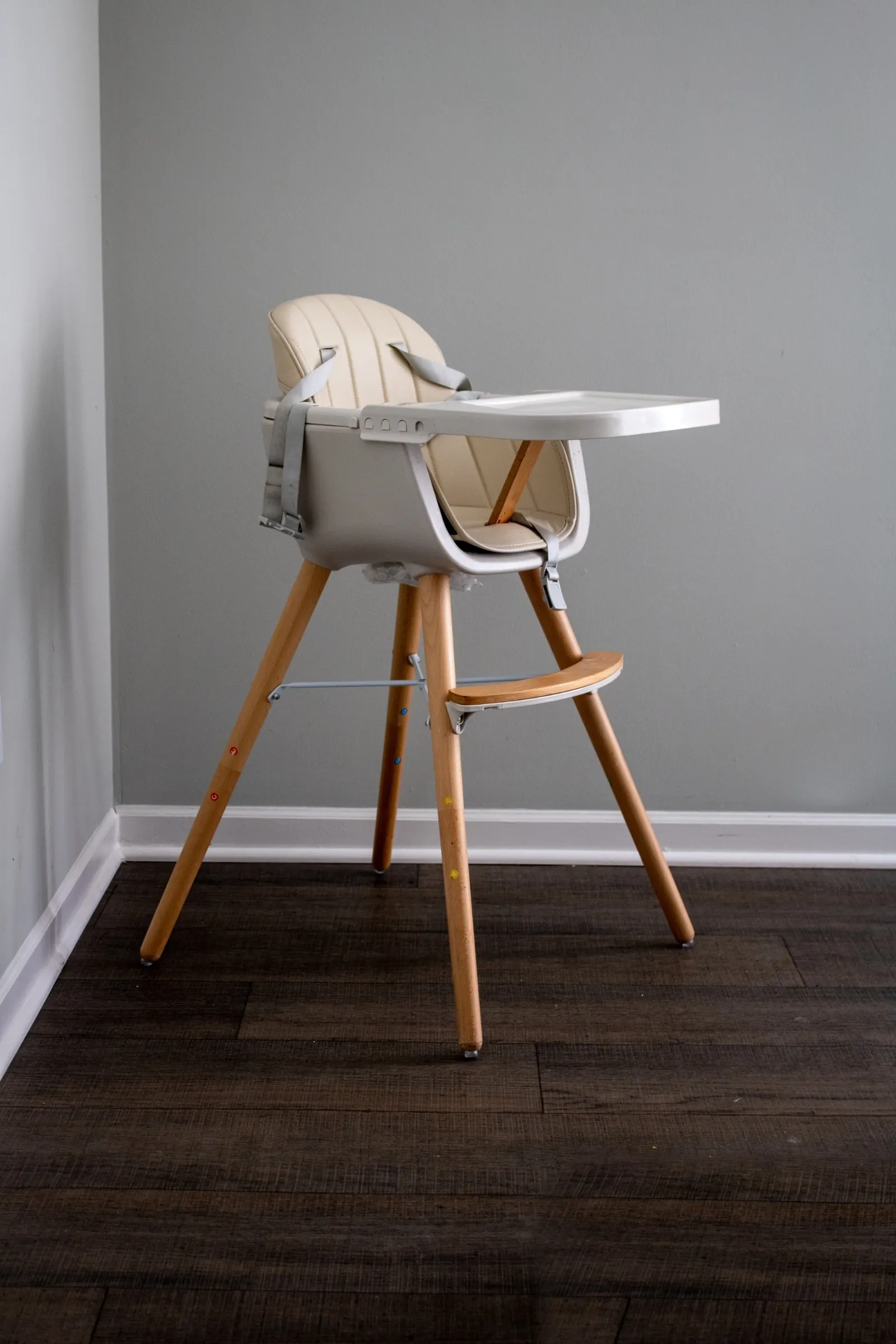
Baby gear is easier. A federal rule, 16 CFR part 1130, requires durable infant and toddler products such as cribs, high chairs, gates and strollers to be permanently marked with the maker’s name and contact information, the model name and number, and the date of manufacture. That date “can be stated in code,” which is why it may show up as a short string of numbers instead of a written-out month.
That label earns its keep on gear that gets passed from one family to the next. When CPSC staff reviewed recalls of children’s gates and enclosures from 2008 to 2018, more than 1 million units had been recalled.
 Save
CPSC recalls by email: sign up once
One sign-up on CPSC’s recall page sends new recall notices to your inbox, and each individual notice carries the same “Get Notified About Each Recall via Email” link. There’s an RSS feed, too, if you use one.
Gift-givers have a particular problem here. Once a gift leaves your house, you may not see it again until the next visit, and a recall can come out after the party’s long over. CPSC’s recall page puts the fix plainly: “Never miss a recall – subscribe for recall emails.”
One sign-up keeps watch long after the wrapping paper is gone.
When an email comes in that sounds like something you gave, run the same check as above: open the notice, find where the label is, match the numbers. If it matches, call the parents first so they can put it away before anything else.
 Save
Product registration cards are worth mailing
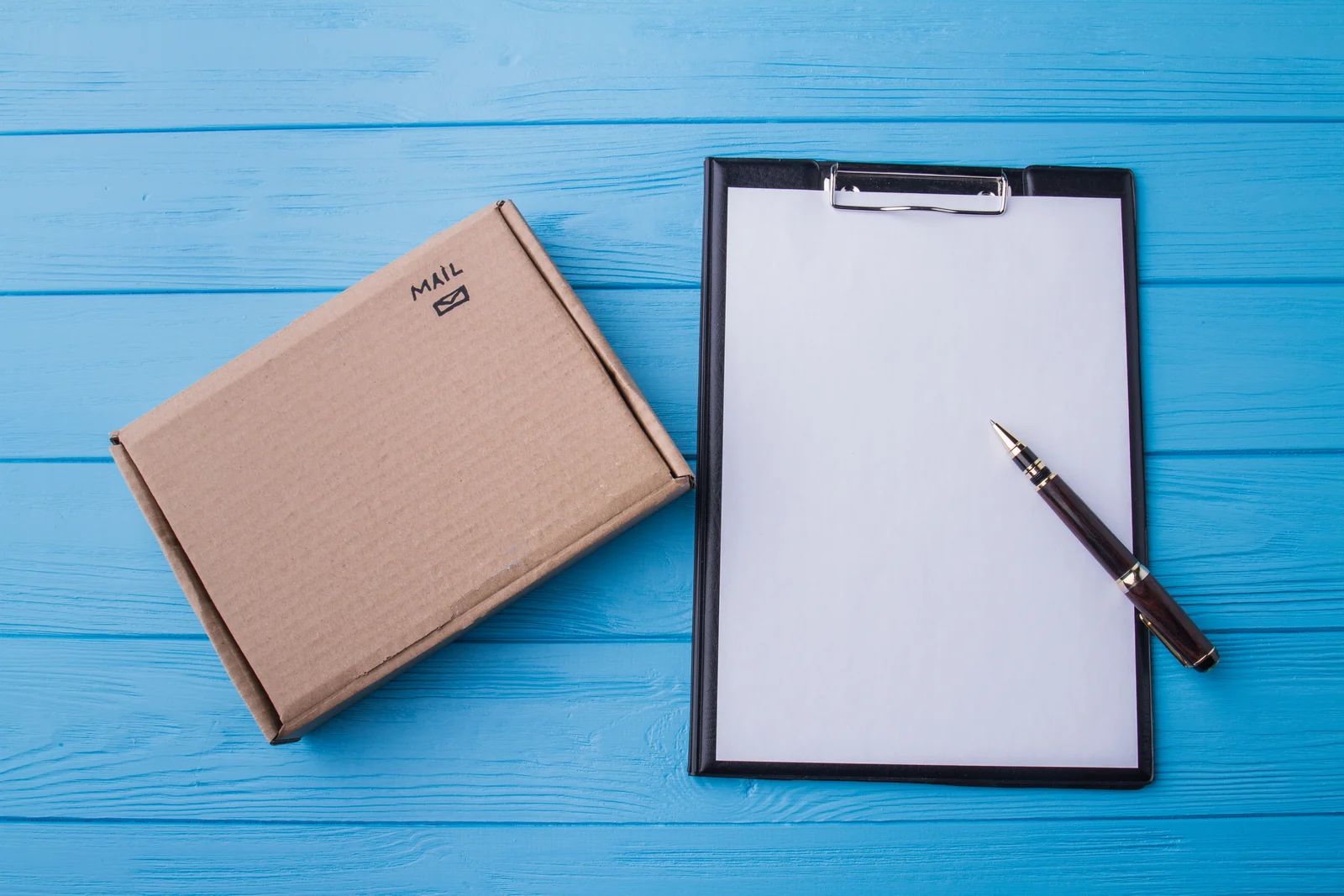
That little postcard tucked into the box of a new crib or high chair is there for a reason. Under 16 CFR part 1130, makers of durable infant and toddler products for children under 5 have to include a postage-paid registration form with each one, so recalls and safety alerts reach the people who own them. The list covers cribs, toddler beds, high chairs and booster chairs, bath seats, gates, play yards, strollers, walkers, swings, bassinets and more. CPSC’s guidance for businesses says the same thing: the forms are required for all durable infant and toddler products, so the maker can reach owners with recall information.
 Save
If you’d rather skip the stamp, the card also has to offer a way to register online. Either way, what you give the company can only be used to tell you about a recall or safety alert. The rule even dictates the wording. The card has to be headed “PRODUCT REGISTRATION FOR SAFETY ALERT OR RECALL ONLY” and has to say “We will not sell, rent, or share your personal information.”
These cards come with baby gear. A wooden puzzle or a stacking toy isn’t on the rule’s list, so for toys, the recall emails above do the job.
Fill out the card before the box goes to recycling. For Will, I mailed in the paper registration cards for his high chair, our baby gate and his car seat so the makers could reach us if anything went wrong, and I signed up for CPSC’s recall emails too.
Miri’s Tip
If your gift is one of those big pieces, say a high chair for your own house or a crib for a new grandbaby, make sure the card ends up with whoever will be using it. A recall notice only helps if it reaches the right mailbox.
What to do with recalled toys
Stop using a recalled toy, put it where children can’t reach it, and follow the remedy on its notice. If the company doesn’t respond, CPSC has a complaint form and a hotline at 800-638-2772.
A match is unsettling for a minute. What comes next is a short list:
- Stop using it and keep it away from children. That’s where the Little Partners remedy starts.
- Follow the remedy on the notice. It says whether the fix is a repair, a replacement or a refund, and how to reach the company. For the Little Partners tower, it was a free repair kit.
- If the company goes quiet, tell CPSC. Recall pages have a “Recall Complaint” form for when “a company is being non-responsive to your remedy request,” and CPSC’s hotline is 800-638-2772.
- Don’t sell it until it’s fixed. CPSC says selling a recalled product is unlawful, even if it’s in good shape and has never caused a problem.
CPSC’s recall pages carry the same line: “Federal law prohibits any person from selling products subject to a Commission ordered recall or a voluntary recall undertaken in consultation with the CPSC.” Once the remedy has been applied, you can sell it, as long as the listing makes clear the remedy is included. I’d hold off on giving it away until then, too. Whether it goes to a friend or a donation bin, the hazard goes wherever the toy goes.
If the model number and date code on a toy match a recall notice, stop using it today and put it somewhere little hands can’t reach until you’ve followed the remedy.
Follow the steps on the notice itself. They’re written for that exact product, and they include how to contact the company.

Up high and out of sight until the fix arrives. · The notice lists how to reach the company. If they go quiet, CPSC’s hotline is 800-638-2772.
What happens to recalled toys?
A recalled toy is meant to be repaired, replaced or refunded, whichever remedy its notice names, and it isn’t supposed to be sold again until that fix is done. CPSC also has a team that watches websites for listings that slip through.
A recall doesn’t mean a toy came from some odd corner of the internet. The Little Partners tower in Table 1 was sold at Walmart and on Amazon, Etsy and Wayfair, among others, and anything that went into homes can turn up secondhand later.
CPSC says it has “a dedicated e-commerce team that monitors websites for recalled and banned products listed for sale.” When that team finds one, “we have the website remove the sales listing.” Many online sales platforms also prohibit selling recalled products on their own.
 Save
So a big-name store and a clean-looking listing are a good start. The model number is still what settles it.
Buying online or secondhand for a grandchild
For a gift, the easiest time to run a quick safety check is before you pay. On a secondhand listing, ask the seller for a photo of the label, then match the model number and date code against the recall list yourself.
Spot a recalled product for sale? CPSC asks you to report it at SaferProducts.gov, with a screenshot and a link to the exact page if you can, or to call 800-638-2772. And if something you bought online looks dangerous to you, report it there too, along with the name of the website you bought it from.
 Save
I’ve been doing this exact check lately. With Jimmy on the way, I’ve been bringing Will’s old things up from the basement, washing them, and looking each one up by its number on my phone, the bedside bassinet and the bouncer most carefully. As of October 29, 2026, none of them had come up on a recall.
Batteries have a rule of their own. Reese’s Law was enacted in August 2022, and after February 12, 2023, button and coin batteries have to meet child-resistant packaging requirements, including batteries that come separately with a consumer product. If your gift runs on those small coin batteries, what to know about button batteries is worth a read before you wrap it.
The recall list is one check among a few. For a newborn gift, my guide to safe toys for newborns covers what to look at beyond the recall list. And if the toys live at your house, Montessori for grandparents has the safety walk-through I’d do before the grandkids come over.
Frequently Asked Questions
What toys have been recalled?
Which toys have been recalled keeps changing as new notices come out, so CPSC’s own recall page is the list to trust. Filter it by product category and hazard, open any notice that looks like your toy, and match the numbers. For one kind of product, my learning tower roundup lists recent tower recalls by brand.
Conclusion
You don’t have to keep up with every recall headline to give a gift you feel good about. One check before you wrap it, a recall email sign-up so the news finds you, and a mailed registration card for any big piece of baby gear: that’s the whole routine. It takes a village to raise a child, and the grandparents, aunts and friends who check a label before they hand over a present are a real part of it.
Before the next gift goes in the bag, flip it over and find that number. The kids will never know you checked, and that’s kind of the point.
Miri
Fewer toys, deeper play.
Further Reading & Resources
See all 7 sources
- Recalls: Recalls & Product Safety Warnings and Little Partners Recalls Children’s Grow ‘N Stow Folding Learning Towers Due to Fall Hazard (U.S. Consumer Product Safety Commission)
- Buying and selling online: For Buying and Selling Products Online (CPSC)
- Registration cards and labels: 16 CFR Part 1130, Requirements for Consumer Registration of Durable Infant or Toddler Products (eCFR) · Gates and Enclosures Business Guidance (CPSC)
- Gates: Gates and Enclosures FAQ (CPSC)
- Batteries: Making Families Safer from Button Cell or Coin Battery Dangers: Reese’s Law Leads to New Federal Mandatory Safety Standard (CPSC, 2023)