IKEA’s FLISAT children’s table goes by a second name in its page title: the FLISAT Children’s Sensory Table. As of October 2026, it’s $99.99 on IKEA’s US site, and the TROFAST storage boxes that fit under its two lids are sold separately. Now open your kitchen cabinet. There’s a baking sheet in there, a little warped from years in the oven, and half a box of pasta hiding behind the cereal.
Sensory play online can look intimidating, and messy, and expensive. Every photo seems to come with a wooden table, matching bins and a kit of tiny scoops. Then there’s the part nobody photographs: rice in the couch cushions and a toddler trying to eat the dried beans.
Save your money. Every idea here comes from your kitchen or your yard, costs $0, and comes with the safety lines I don’t cross. Sensory play also gets its own day in my simple week of Montessori activities at home, if you’d like the bigger picture.
 Save
What are sensory activities for toddlers?
Sensory activities for toddlers are hands-on play built around how things feel, sound, smell and look: pouring water, scooping rice, squishing dough, crunching leaves. There’s nothing to finish, because exploring the stuff is the whole activity.
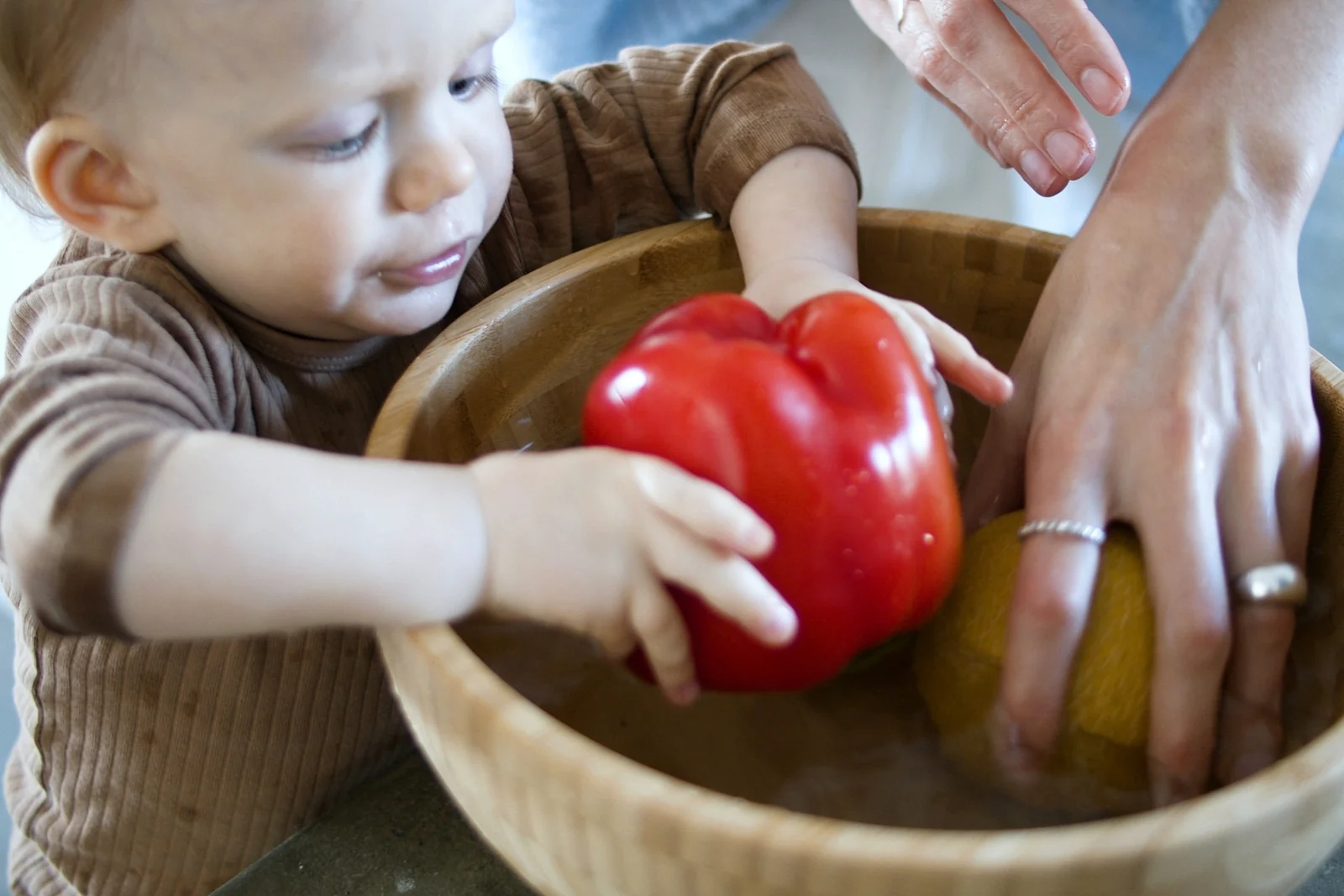
Put a bowl of water in front of a toddler and you’ll see the whole idea almost right away. The hands go in first. Then comes the slap, the splash, the surprised look at a wet sleeve, and the hands go right back in.
Sensory play is that moment, set up on purpose. You offer a material with an interesting texture, something to scoop or pour with, and a little room to explore. Your toddler does the rest. The easy sensory activities for toddlers tend to be the ones closest to real life: water from the tap, food from the pantry, dirt from outside.
You may also run into the Montessori word “sensorial.” In my reading, it points to purpose-made classroom materials, so I keep it apart from the pantry-and-backyard play in this post.
 Save
Why are sensory activities important for toddlers?
The honest answer is that the research is thinner than most sensory play posts suggest. One lab study hints that messy exploring shapes what toddlers notice, and the rest comes from watching kids: busy fingers and, on good days, a calmer toddler.
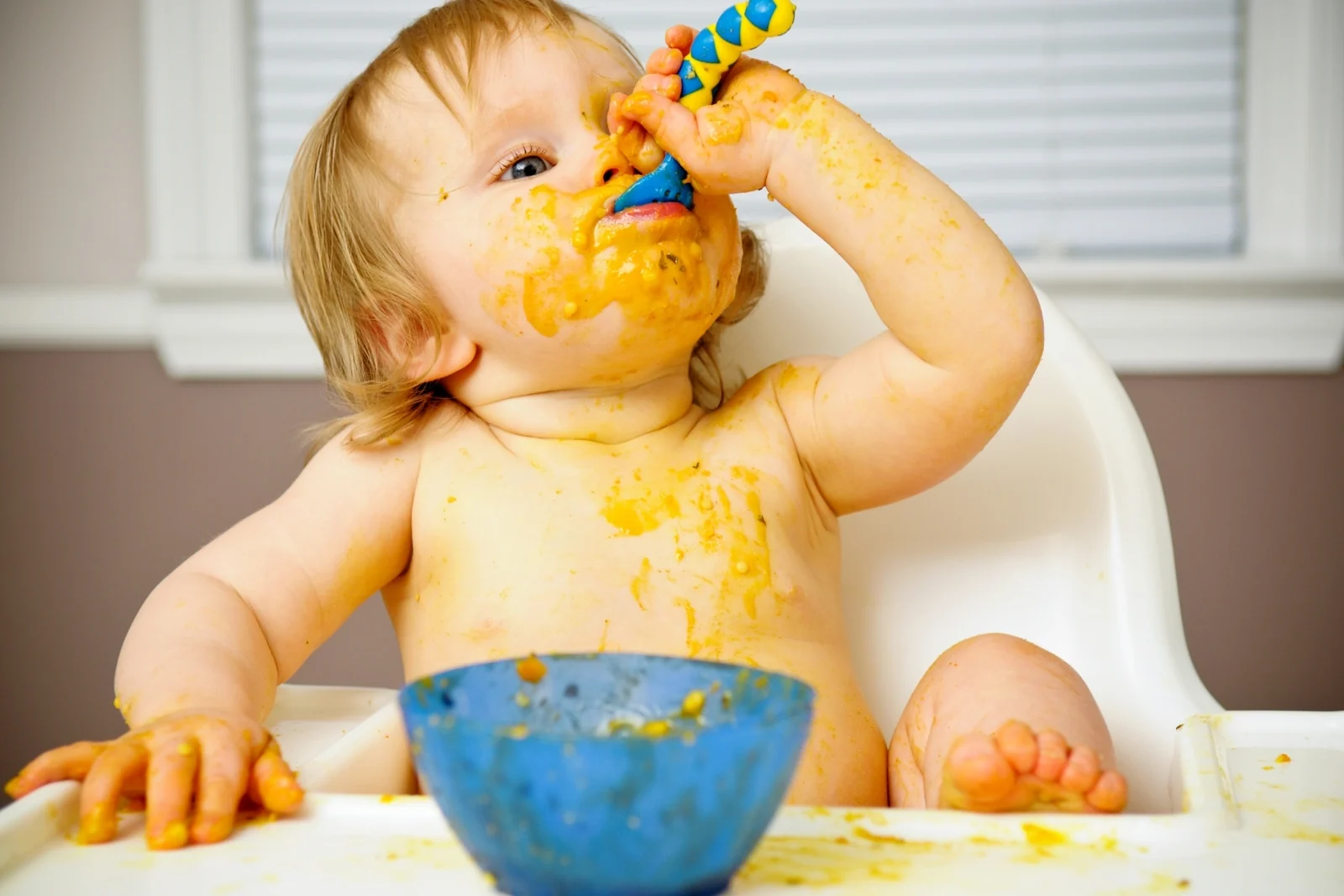
That study ran in 2014 in Developmental Science. Researchers tested 16-month-olds on how nonsolid things, like foods, get named. Toddlers tested in a high chair, the place they usually meet those foods, showed a better grasp of the naming than toddlers tested at a table. The high-chair group also got messier as the experiment went on, and the way each group explored shaped what they paid attention to.
So one lab study suggests that how toddlers get to touch and explore messy stuff changes what they notice about it. It’s a word-learning study, at one age, in a lab, and I’d rather tell you that than oversell it.
 Save
What I can offer is what it looked like at home. The sensory activity my son Will loved most, a tray of rice and beans I’ll walk you through below, kept him absorbed for about half an hour. His fingers were busy the whole time, curled around a scoop, tipping a bowl, letting grains run through. That’s fine motor work, the small-muscle kind, happening without anyone calling it practice.
One kid and one tray prove nothing. Still, it costs you nothing to find out, and your toddler will tell you fast whether it’s their thing.
The $0 sensory bin: a cost check
Grab a tray you already own, fill it from the pantry, the sink or the yard, and add a scoop and two bowls. That costs $0. IKEA’s sensory table is $99.99, with storage boxes sold separately (as of October 2026).
If you’re about to start your sensory bin journey, start it with a price check. Here’s how the two routes add up.
| Option | What you need | Cost (as of October 2026) |
|---|---|---|
| Store-bought: IKEA FLISAT Children’s Sensory Table | The table (solid pine, with two molded-fiberboard lids that fit TROFAST storage boxes) | $99.99 for the table; TROFAST storage boxes sold separately (the white ones run $4.00 and $6.00 each) |
| $0 tray | A baking sheet, roasting pan or storage tub with sides | $0 (already in your kitchen) |
| $0 dry fill | Rice, dried beans or big pasta shapes | $0 extra (already in your cupboard) |
| $0 water | Your sink or bathtub, a few cups, a funnel | $0 |
| $0 nature fill | Big leaves, large stones, pinecones | $0 (from the yard) |
| $0 tools | A scoop or measuring cup, two small bowls, a big spoon | $0 (already in your drawers) |
| Cleanup | A bath towel underneath, a broom or vacuum | $0 |
By my math, the store-bought route starts at $99.99 before a single storage box goes under the lids. The kitchen route is $0 because you’re borrowing things you’ve already paid for. Is a cup of rice really free? It was already in the cupboard, so on this table it counts as $0 extra.
There’s nothing wrong with the FLISAT if you have the floor space and the budget, once you’ve checked its age label against your toddler’s age. What makes sensory play happen, though, is what goes in the tray and a grown-up close by, and you already have both.
A sensory bin is anything with sides that fits on your floor.
The tray matters more than any list of sensory bin ideas you’ll find online. Once one tray works at your house, swapping what goes in it is the easy part.
Kitchen-cupboard sensory play ideas
Open the pantry, pour a few cups of dry rice, beans or big pasta into a high-sided tray, and hand over a scoop and two small bowls. Save this one for toddlers who’ve stopped mouthing things, with you sitting right beside them.
Dry goods are classic sensory play ideas for a reason. They pour, they rattle, and they feel cool and slippery between your fingers. Two ways to use one tray:
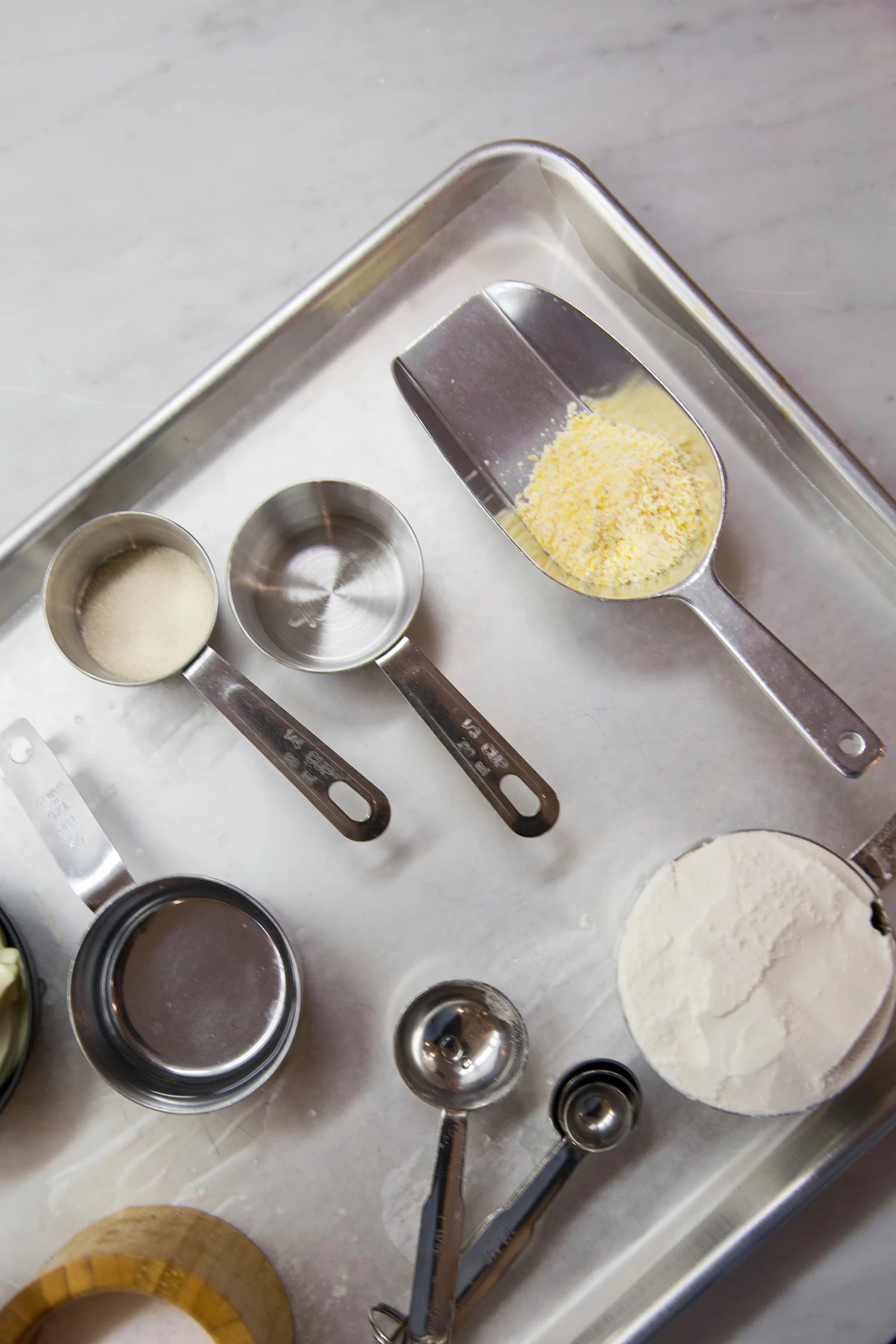
- Scoop and pour. You need a scoop or a measuring cup and two small bowls. Your toddler moves the dry stuff from bowl to tray and back, then buries both hands in it. Cleanup is a broom, or one pass with the vacuum.
- Dig and find. Hide a few toys under the surface and let your toddler hunt for them. Pick toys whose package age label fits your child.
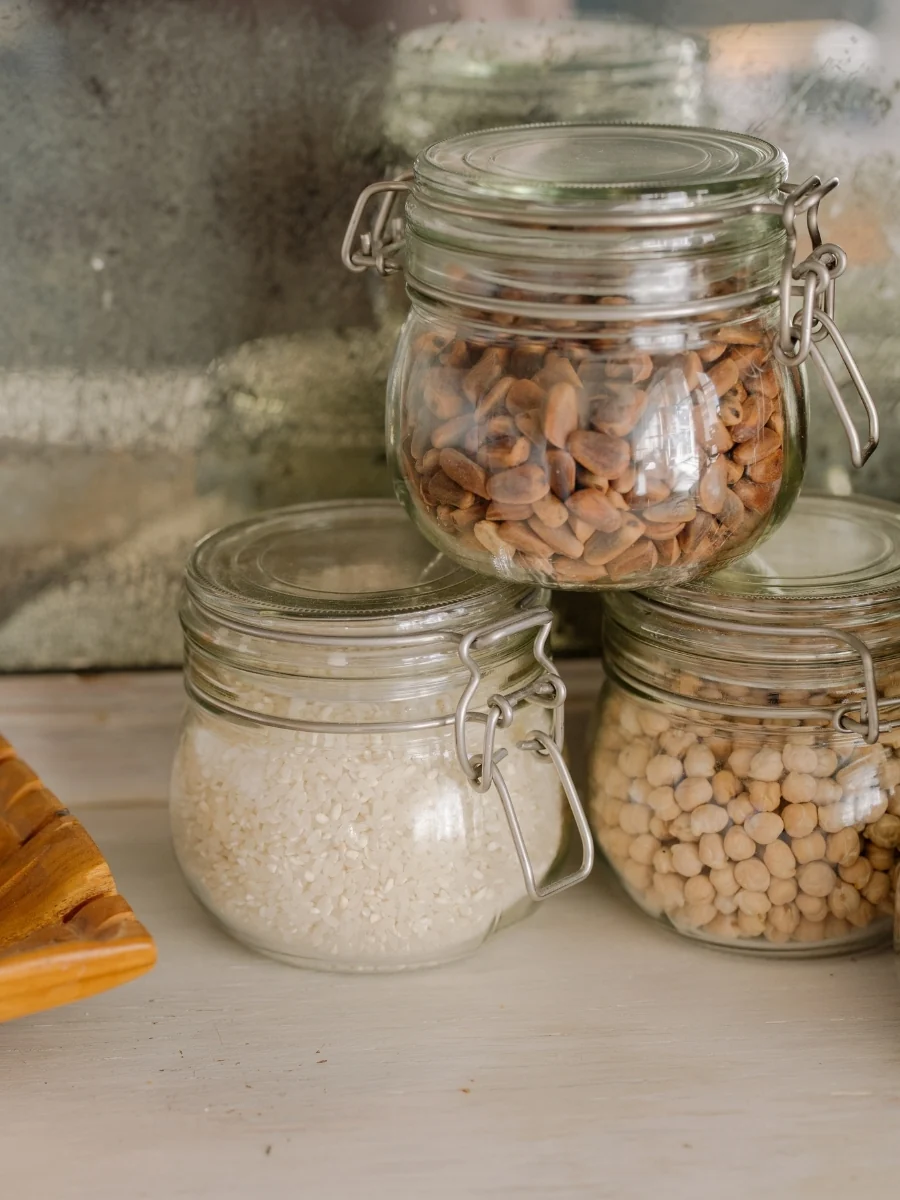
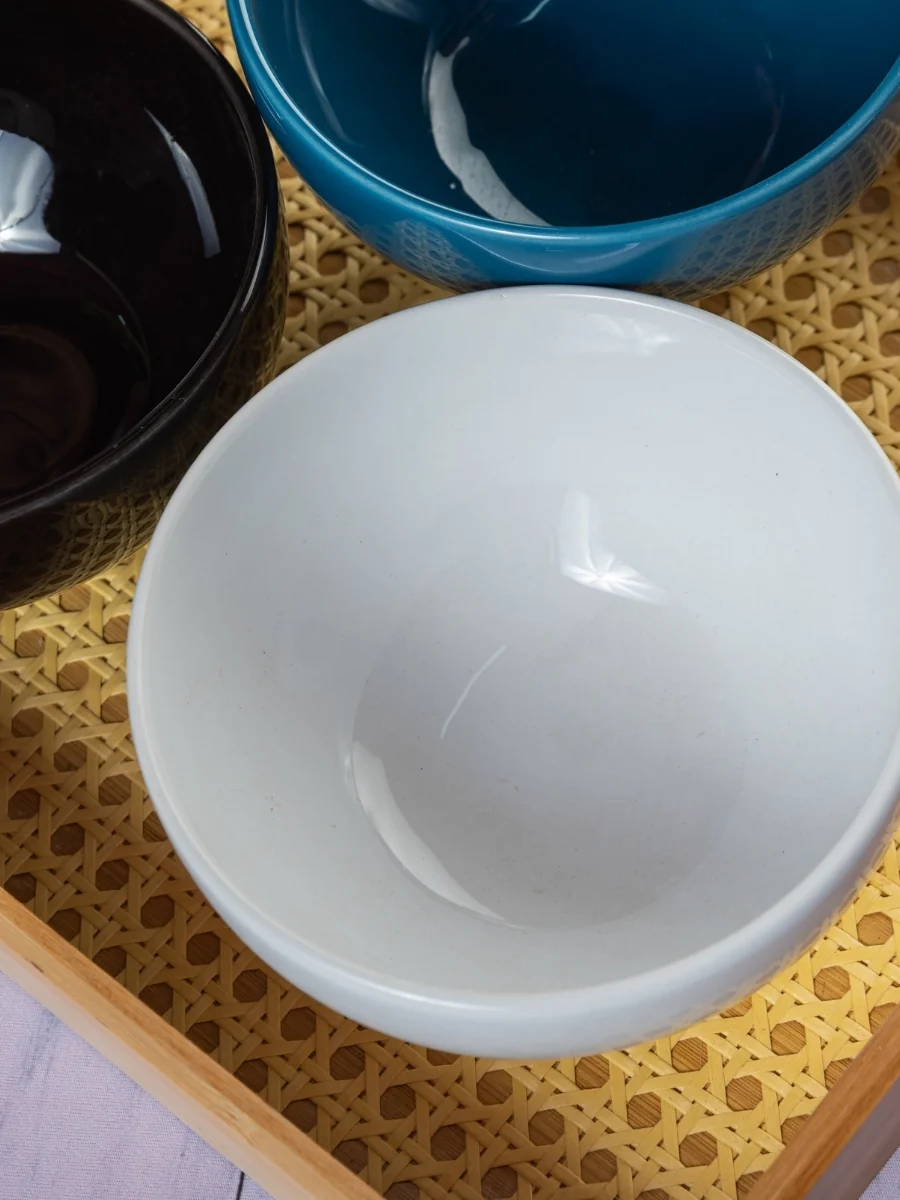
Dry goods for a scooping tray come straight off the pantry shelf. A tray with edges and a few bowls is plenty to start.
Our rice-and-bean tray
This was the sensory activity Will loved most. I didn’t want to pay for kinetic sand, so I raided the kitchen instead.
- Step 1: I poured rice, black beans and red beans from the pantry into a big plastic tray with high sides.
- Step 2: I hid a few toy animals in it, then added a scoop and some small plastic bowls.
- Step 3: I only brought it out once Will had completely stopped putting things in his mouth, and I sat right beside him the whole time. He never played with it alone.
He’d bury his hands, scoop from a bowl back into the tray, grab a handful and let the grains run through his fingers, and cheer every time he dug up an animal. Some rice always ended up on the floor. A quick sweep or a run with the vacuum, and we were done.
My rule for dry rice, beans and pasta: only for toddlers who’ve stopped mouthing things, and only with an adult sitting right there. If your child still puts everything in their mouth, skip dry goods for now and start with water play.
Small pieces find other places to go, too. The National Library of Medicine’s MedlinePlus lists dried beans among the things curious young children may push into their noses. The American Academy of Pediatrics (AAP) says babies and toddlers have the highest choking risk because they explore by putting things in their mouths, and it advises following the age recommendations on toy packages. That goes for any toy you hide in the tray.
Water play at the sink or in the tub
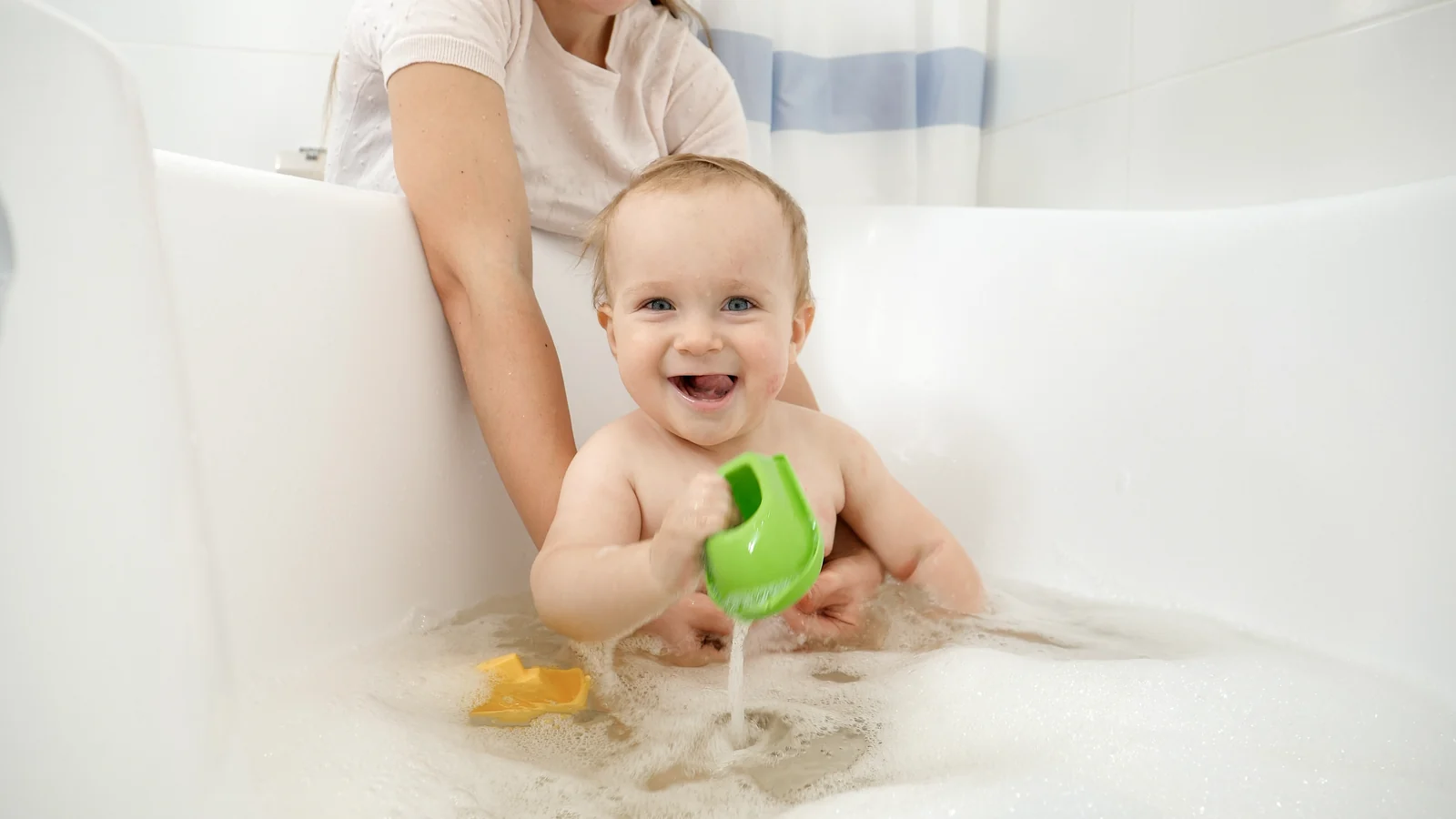
Supervision comes before any cup or funnel: water play means staying within arm’s reach and emptying every container the moment you’re done. After that, a sink or tub, a few cups and a sponge are the whole kit.
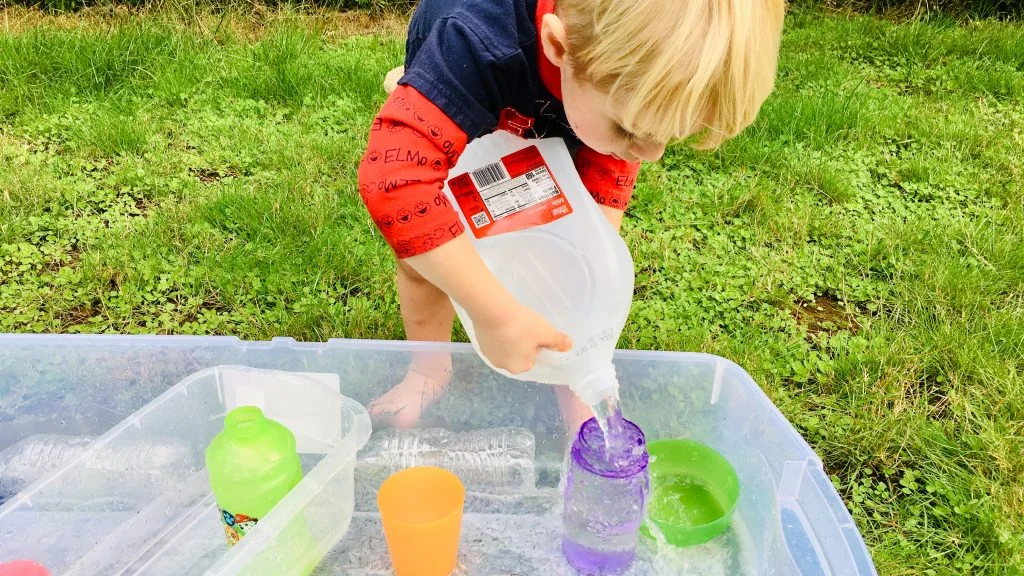
Water is the sensory activity for toddlers I’d reach for first if your child still mouths everything, since nothing in it has to be small. Pour from cup to cup. Wash a few plastic animals with a sponge. Line up kitchen things and guess which ones will float, which is about as close as science and sensory activities for toddlers ever get.
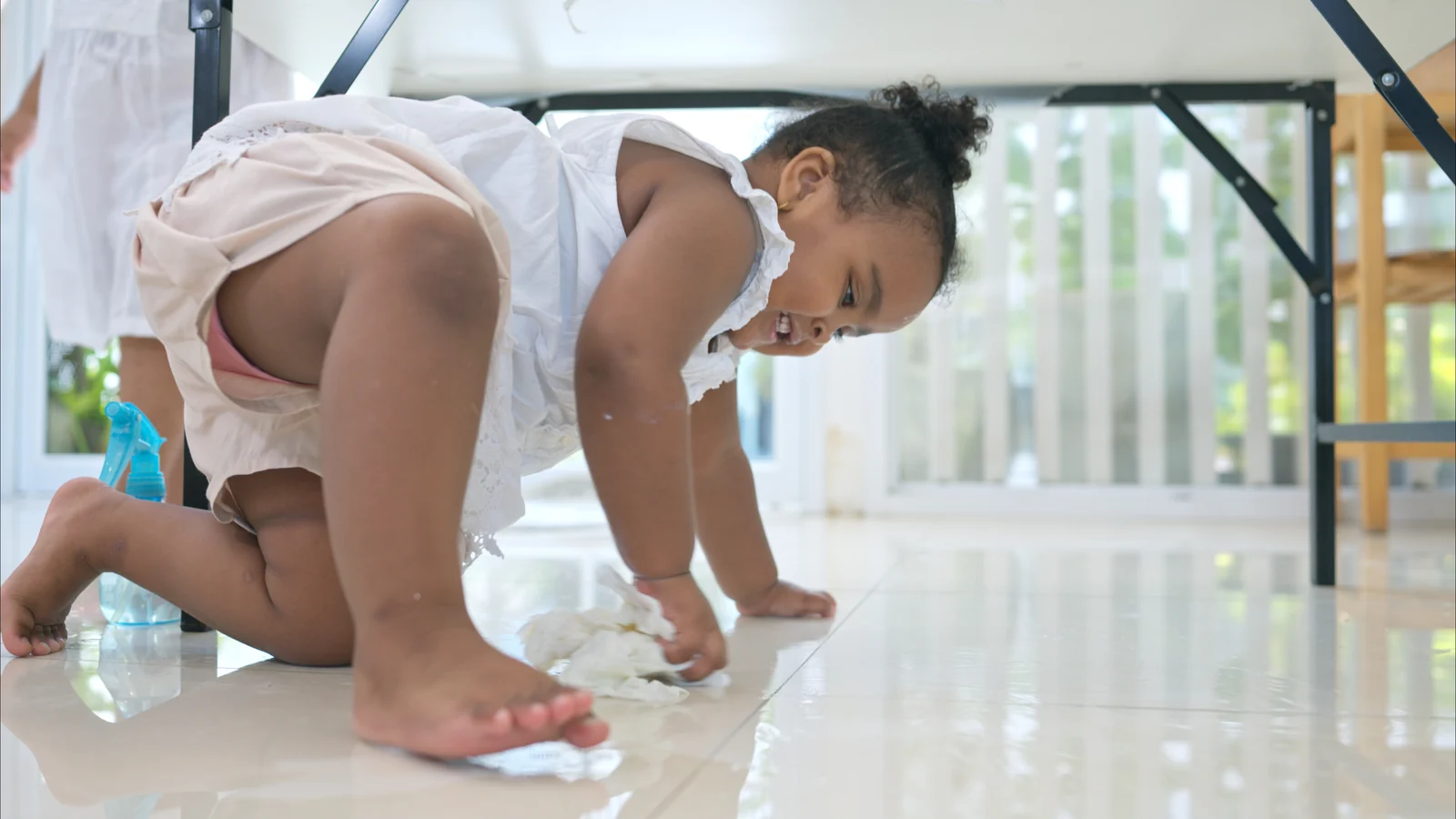
At our house, wet play has exactly two homes: the kitchen, where the wood floor wipes clean, and the bathtub. It never goes into the living room with the nice rug. Cleanup is the easy part: tip the water out and wipe the floor.
 Save
Young children can drown in as little as an inch or two of water, and it can happen quickly and silently, the AAP warns. Never leave a filled, open-top container of water unattended. If you need a towel, take your toddler with you or empty the container first. The AAP also says to completely empty the water out of containers such as buckets and wading pools whenever they’re not in use, and I’d add every bin, bowl and dishpan from sensory play to that list.
For bath time and swim time, the AAP recommends staying within arm’s length, which it calls “touch supervision.” I hold a sink or dishpan of water to the same rule.
DIY sensory play recipes that are safe to squish
Raw flour is the ingredient to leave out. The Centers for Disease Control and Prevention (CDC) says not to let children play with or eat dough made with raw flour, and that includes homemade play dough.
Flour-and-water dough is the first DIY sensory play recipe a lot of us think of, so this one catches people off guard. The concern on the CDC’s raw flour and dough page is food poisoning: tasting or eating raw, unbaked dough can put you at risk, and toddlers taste everything.
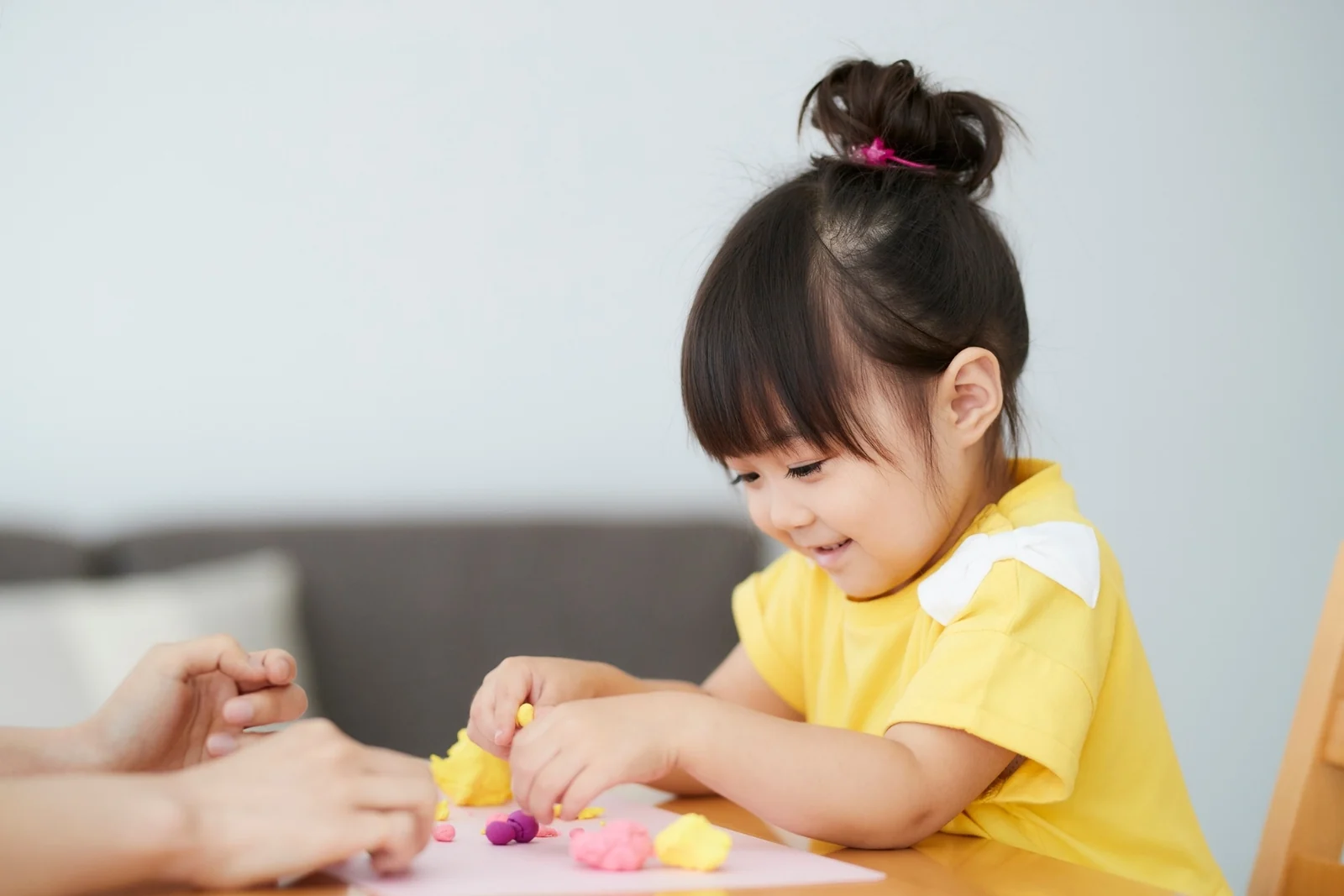
The CDC says germs in flour are killed only when it’s baked or cooked. Its page doesn’t mention stovetop play dough, so this part is my own call: I’d stick to dough where the flour is cooked all the way through before anyone touches it, or dough with no flour at all. Whatever you make, let it cool fully before it reaches small hands. And if a recipe sends you to the store for something you don’t own, skip it, because $0 is the point.
 Save
Real food works too. Cooled, cooked oatmeal or a mashed banana on a tray makes a great squish, and a taste or two is no surprise (skip anything your child is allergic to). If your tray includes pieces of food your toddler might swallow, cut them the way the AAP suggests for meals: no larger than one-half inch. Whole grapes, raw carrot sticks and chunks of cheese are on its list of foods to avoid or modify.
Salt is the other catch, and it reaches beyond salt dough. In 2016, the Tennessee Poison Center at Vanderbilt University Medical Center tested three popular homemade play dough recipes, all made with table salt, and estimated that one tablespoon of dough from two of them could put a 22-pound child in the toxic range for table salt. The page doesn’t say how those recipes were cooked, so I’d offer any homemade dough only with you right there. If your toddler eats some, call Poison Help at 1-800-222-1222. There’s more on salt dough crafts in my Montessori art activities.
If making things yourself is your kind of fun, there’s a whole post of DIY Montessori activities built from things around the house.
Backyard sensory activities with nature items
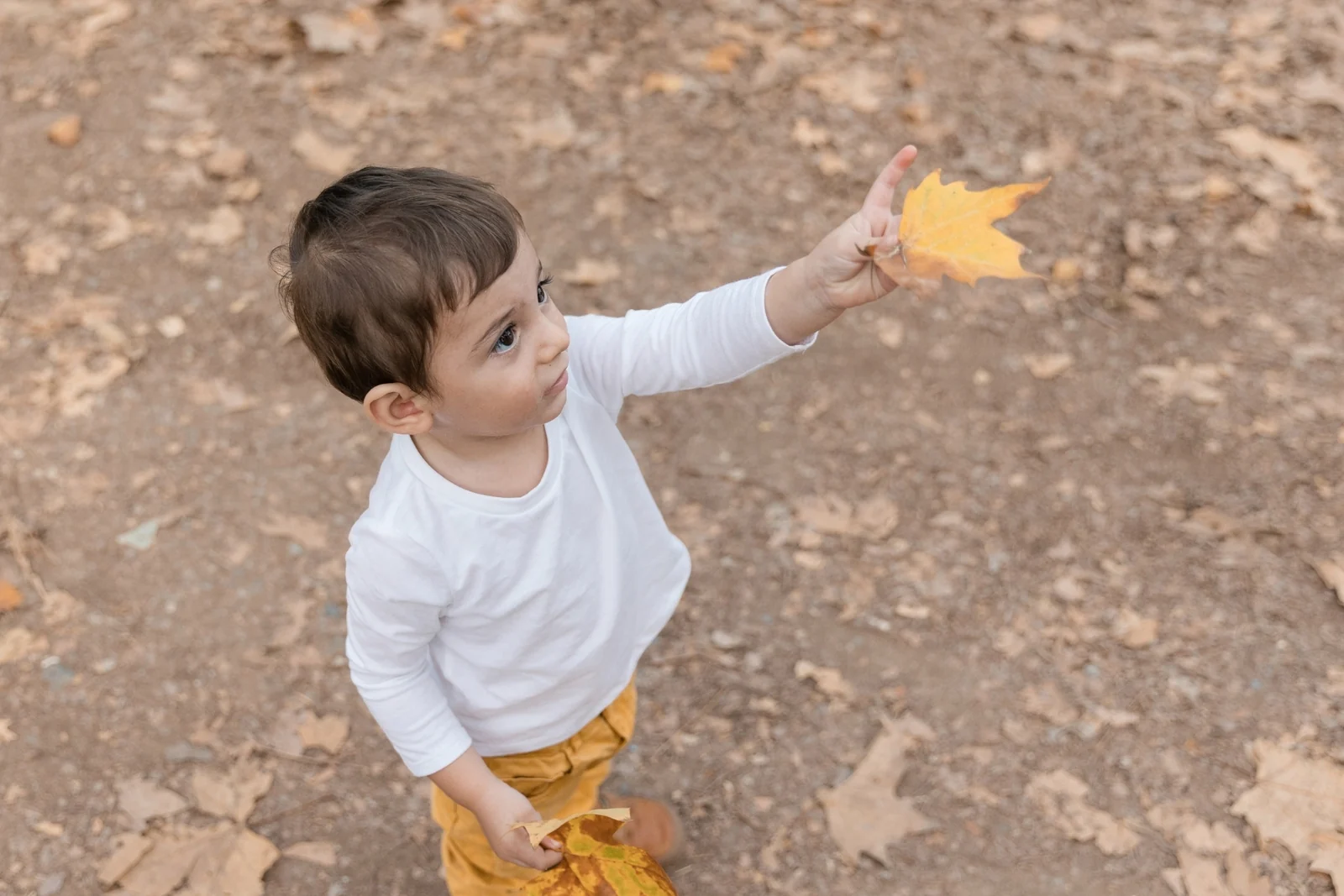
Carry a baking sheet outside, let your toddler fill it with big leaves, large stones, pinecones and a bit of mud, then sit down with them. Leave anything small enough to swallow on the ground.
Outdoor sensory activities for toddlers come with free refills, because the yard restocks itself every season. Ours is a small patch of grass, and that’s plenty.
Dry leaves crunch. Stones feel cold and heavy in a small hand. Pinecones are prickly, and mud is mud, which most toddlers find endlessly interesting. The tray does two jobs out here: it gives the treasures a place to go, and it lets you see everything that’s been collected at a glance.
Keep the pieces big. Small stones, nuts and anything else that fits in a mouth stay on the ground, for the same choking reasons as indoors. Cleanup is a rinse of the tray and a good wash of the hands. For more reasons to get out the door, I’ve gathered outdoor activities for toddlers for every season.
 Save
How to keep sensory play from taking over your house
Pick one container and one spot before you pour anything: a high-sided tray or a small mat, on a floor that wipes clean, with a towel underneath. Whatever happens stays inside that boundary, and cleanup stays small.
When I first started with Montessori, watching Will smear and scatter things made my head spin. Over time I came to see mess as part of how kids learn, and my tolerance went way up. Water on the floor, beans everywhere: fine, because those happen while a toddler is working hard at something.
Where I draw the line is mess made on purpose. If Will started screaming and throwing things to wreck them, or smeared paint on the wall deliberately, play was over and we packed up. Exploring is free at our house, and respecting the space comes with it.
Then there was the “no-mess” activity. I’d seen colorful sensory bags all over the internet, zip-top bags taped to windows for little fingers to squish, and they looked so tidy. I filled one with shaving foam and food coloring, sealed it, and taped it to the wall. Will pressed it exactly twice, got bored, poked a hole in it with a pointy toy, and bit the corner open. Colored foam went all over his face, his clothes and my white curtain. After one bath and a long stretch of curtain-scrubbing, zip bags became a hard pass for me.
The “no-mess” zip bag I made turned into my biggest sensory-play flop.
If your toddler ever bites into something that isn’t food, you can call Poison Help at 1-800-222-1222.
Sensory art follows the same rules at our house: watercolors and soap foam count as wet play, so they stay in the kitchen or the tub.
 Save
Every activity goes in one high-sided tray, or on a small mat your toddler lays down first, so the mess has edges. I also put a big bath towel on the floor underneath, or hand Will a small towel of his own, so we can wipe up spills together right away.
Miri’s Tip
What to skip: water beads and tiny pieces
Water beads come off the list completely. The U.S. Consumer Product Safety Commission (CPSC) urges parents and caregivers to remove them from any environment with children.
Water beads are the squishy, jewel-colored gel balls you’ve probably seen in sensory bin photos. In water, they can grow 100 times their original size, the CPSC says. Dry, they can be as small as a pinhead, which makes a dropped one nearly impossible to spot on the floor.
A new federal safety standard for water bead toys took effect on March 12, 2026. The CPSC’s water beads page still tells parents to remove these products from any environment with children, so at my house they’re a firm no.
The same goes for anything small enough to fit in a mouth while your child is still mouthing. Babies under 12 months are a separate case. Almost everything goes in their mouths, so sensory toys for 6 to 12 months are chosen with that in mind, and I’d keep dry goods out of the picture entirely.
 Save
Swallowed water beads can keep growing inside the body, the CPSC warns, causing vomiting, dehydration, intestinal blockages and life-threatening injuries, and surgery may be needed to remove them. Beads pushed into an ear can damage it and cause hearing loss. Take them out of any space where children spend time.
If you think your child swallowed a water bead, or put one in an ear or nose, the CPSC says to seek medical treatment right away. You can also call Poison Help at 1-800-222-1222, 24 hours a day.
What you’re left with is a sensory setup you can put together safely today for $0: a tray with sides, water or big pieces from the kitchen, a towel underneath, and you, sitting close.
Frequently Asked Questions
What are some sensory activities for toddlers?
Some fun sensory activities for toddlers use only what’s in your kitchen and yard: pouring water between cups in the tub, scooping dry rice or beans in a tray once they’ve stopped mouthing, squishing cooked play dough, and filling a baking sheet with big leaves and stones. Each one costs $0 and takes a few minutes to set up.
Are there sensory activities that aren’t crazy messy?
Yes. Sensory activities that aren’t crazy messy mostly come down to where you set them up. Use one high-sided tray or a small mat, pick a floor that wipes clean, and lay a towel underneath. Anything wet goes in the kitchen or the bathtub, where a spill is no big deal.
Conclusion
You don’t need the $99.99 table, the matching bins or the kit with tiny scoops to give your toddler good sensory play. This week, pull out one tray, pick one idea from this post, and sit down beside them while they dig in. If it flops, you’ve learned something about your kid for the price of a little cleanup.
Start with the baking sheet you already own and a few minutes on the floor. Choosing your attention over a shopping cart is a smart trade, and you’re making it.
Miri
Fewer toys, deeper play.
Further Reading & Resources
See all 8 sources
- Pediatric safety: Choking Prevention for Babies & Children and Drowning Prevention for Curious Toddlers (American Academy of Pediatrics) · Foreign body in the nose (MedlinePlus)
- Water beads: Water Beads: A Danger to Young Children (U.S. Consumer Product Safety Commission)
- Dough: Raw Flour and Dough (Centers for Disease Control and Prevention) · The dangers of borax slime and homemade salt dough (Tennessee Poison Center, Vanderbilt University Medical Center, 2016)
- Research: Highchair philosophers (Perry, Samuelson & Burdinie, Developmental Science, 2014)
- Prices, checked October 2026: FLISAT Children’s table (IKEA US)