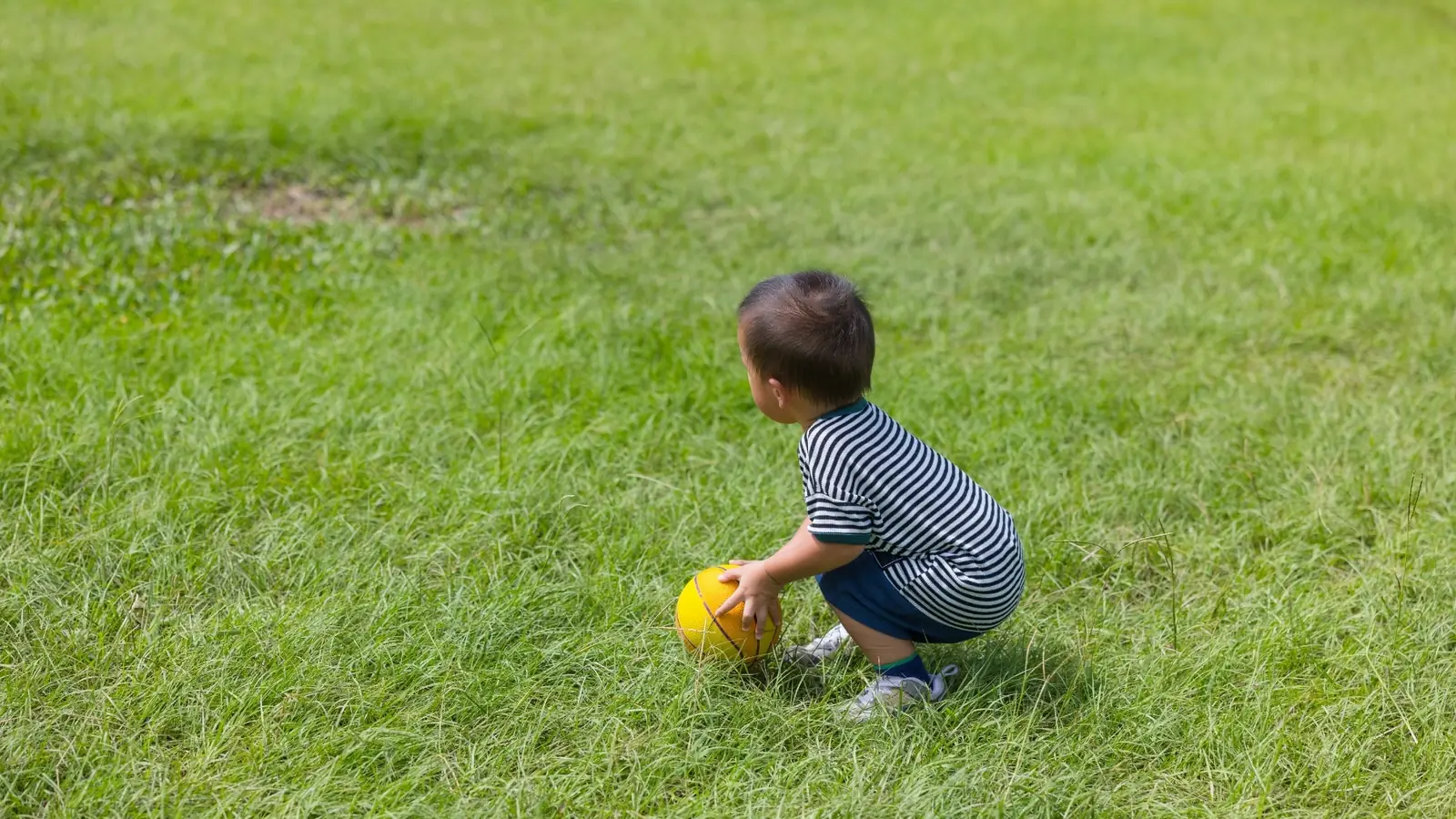
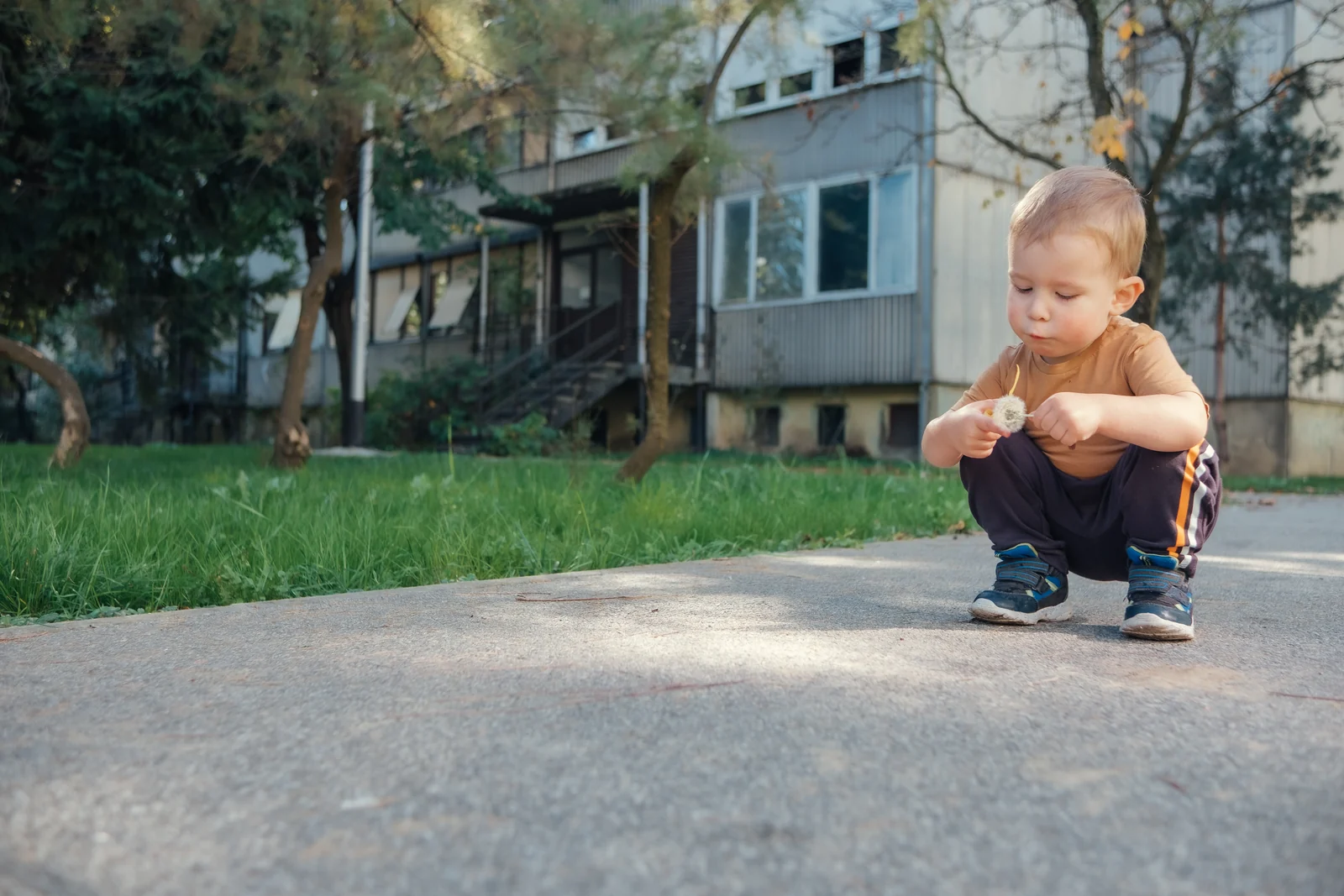
From our front door to the corner is about 650 feet (200 meters). Once, when Will was around 20 months old, that walk took us 45 minutes, because every three steps he squatted down to stare at a squirrel running past.
Maybe your toddler walks like that, or maybe yours does the opposite and sprints for the far end of the park. Either way, you might have gone looking for a nature scavenger hunt to give your walks a little shape, and found a printable full of words. Your toddler can’t read a single one. So the sheet goes in your pocket, and the walk turns back into what it was before: you saying “come on, buddy” more times than you’d like, and a small person who either won’t stop or won’t move.
The toddler version runs on pictures and on your child’s pace. It’s one of the simplest Montessori activities at home I know, even if “home” in this case means the sidewalk out front.
 Save
What is a nature scavenger hunt for a toddler?
A nature scavenger hunt for a toddler is a short walk with a card of pictures, where your child looks for the real things that match: a leaf, a stick, a bird. Nobody keeps score, and three finds make a great day.
Search for a nature scavenger hunt for kids and most of what comes up is written for children who can read, often with a timer or a race to see who finishes first. A 1- or 2-year-old needs a gentler setup. Swap every word for a picture. Keep the list short enough to finish. Leave the clock at home.
What your toddler gets out of it is mostly observation. They look hard at one thing, then another, and you get to see what catches their eye. When they point, say the word: “Squirrel.” “Bark.” “Look, moss.” One word, then quiet. A walk like that fills up with new words without anyone turning it into a lesson, and it gives a small child a real connection to nature on the street where they already live.
 Save
A picture list for a nature walk scavenger hunt
Pick five to eight things from the table below that really grow or live on your street, put a simple picture of each on one card, and hand the card to your toddler at the door.
Most nature scavenger hunt printables assume a reader, so this list works the other way around: every item is something a toddler can recognize from a drawing. Choose your card from the first eight rows. The last two rows are there for you, so you know what to steer around.
| Item | Pick up or just look | When you’ll find it | Good to know |
|---|---|---|---|
| Leaf | Pick up | Any season, with color in fall | Big ones are easiest to spot and hold |
| Stick | Pick up | Any season | A short one fits a small hand |
| Pine cone | Pick up a big one | Under pine trees, any season | Little ones stay on the ground |
| Rock or pebble | Pick up a big one, look at the small ones | Any season | Anything that fits in a toddler’s mouth stays on the ground |
| Squirrel | Just look | Any season | Spotting one counts as finding it |
| Bird | Just look, or listen | Any season | Hearing one counts too |
| Beetle | Just look | Warm months | Get down low and watch it walk |
| Flower | Just look, or smell | Spring and summer | Leave it growing for the next walk |
| Mushroom | Leave it, don’t touch | Damp spots, often after rain | Keep it off the card |
| Berries | Leave them | Summer and fall | Keep them off the card |
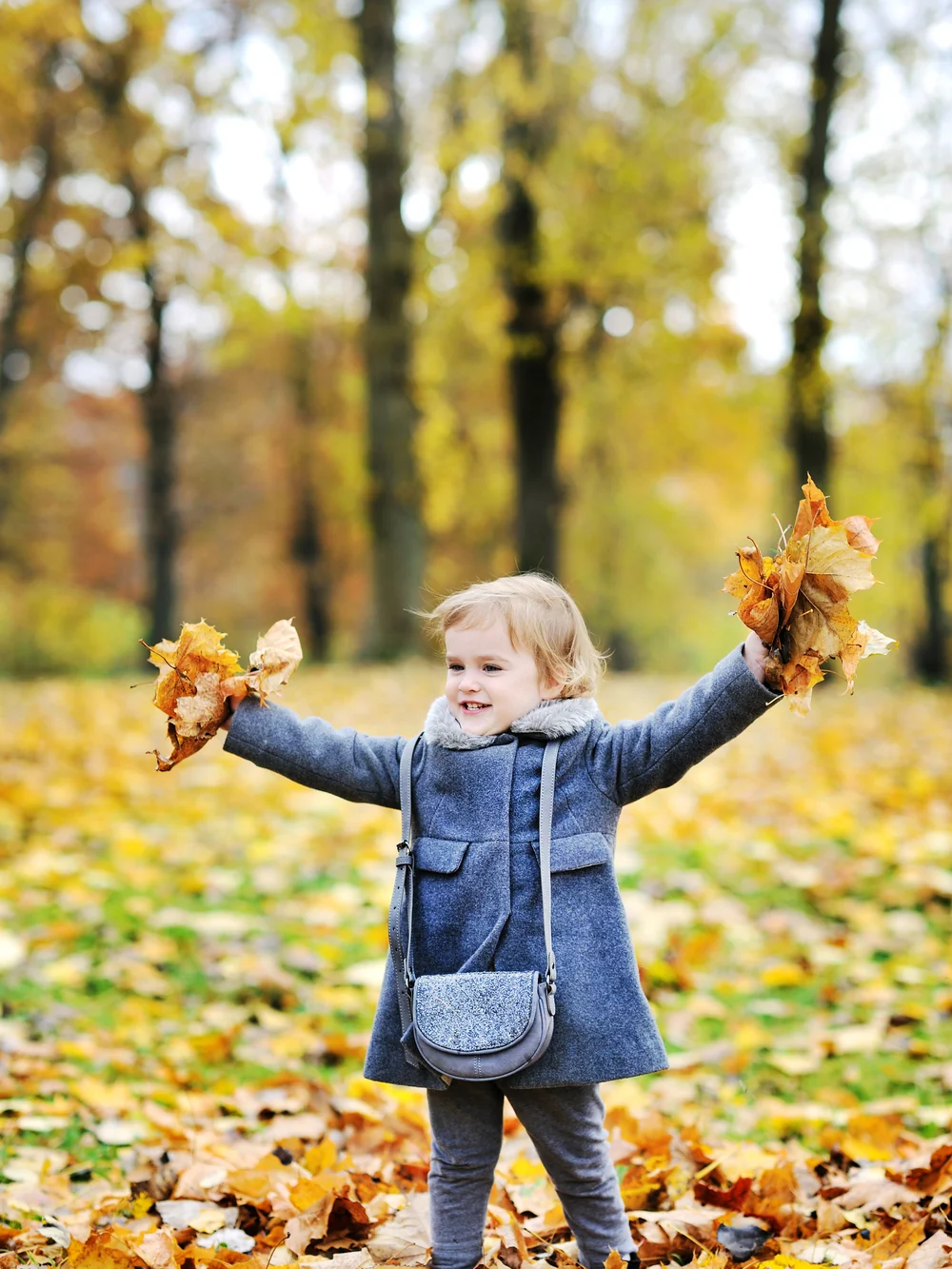
You can also build a card around the season. A four seasons hunt just means swapping pictures as the year turns: flowers in spring, beetles in summer, crunchy leaves in fall. In Colorado, where we live, a winter card would be mostly sticks, pine cones and snow. A five senses card is lovely for the youngest walkers, because some of its pictures don’t need finding at all: an ear for “hear a bird,” a hand on tree bark for “touch something bumpy.”
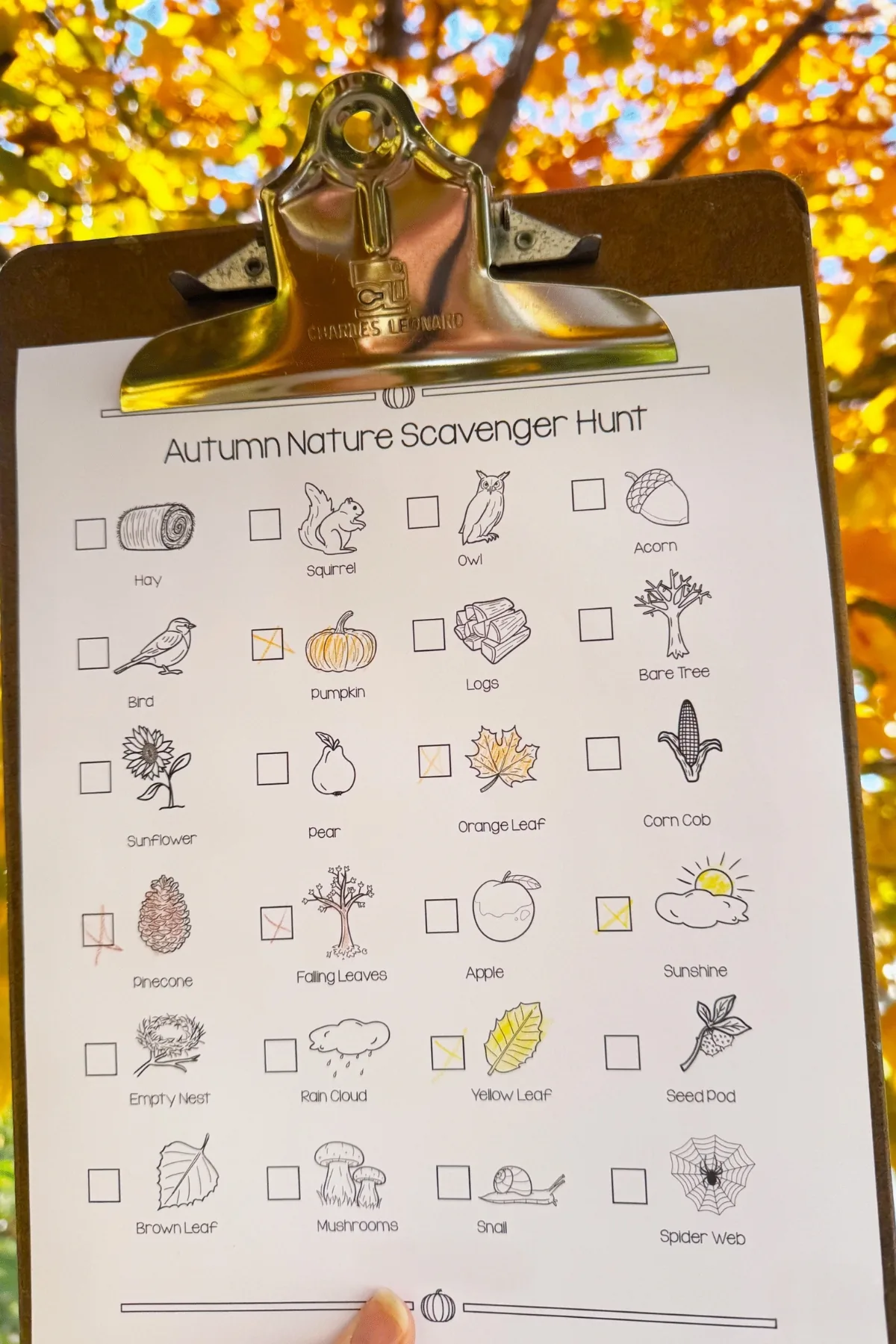
To make the card, fold a sheet of paper into six or eight boxes and draw one thing in each. A stick-figure squirrel is plenty, since toddlers are forgiving art critics. Or snap photos of the actual things on your street, like the maple out front or the big rock by the mailbox, print them small, and tape them to a piece of cardboard. Heading to a trail or a short hike instead? Stick with pictures almost every trail has: leaves, sticks, rocks and birds.
 Save
Once a 1- or 2-year-old is holding that card, the hunt explains itself. They look at the picture, look around, and point. You don’t have to read anything out loud or keep anyone on task, which leaves you free to enjoy the walk too.
What you’ll need (and what’s optional)
Your picture card and one bag for treasures are enough for a toddler nature walk. An egg carton and a magnifying glass make fun extras, and a hat and sunscreen come along when it’s sunny.
The accountant in me likes this list, because you probably own everything on it already.
- The picture card. Let your toddler carry it. Holding the card is half the fun.
- One collection bag. A paper lunch bag or an old tote works. One bag means one place for finds, and it keeps the haul small enough to fit on a tray at home.
Optional, and fun:
- An egg carton. Glue a small picture into each cup and your toddler can sort as they go, leaf with leaf, stick with stick. Egg cartons invite small things, though, so I’d save this one for a child who has mostly stopped mouthing, or fill it with leaves and petals only.
- A magnifying glass. A chunky kid-size one turns a beetle into a very big deal. Nice to have, and easy to skip.
On sunny days, add a hat, plus sunscreen with an SPF of 15 or greater on any skin clothes don’t cover; the American Academy of Pediatrics (AAP) says to put it on 15 to 30 minutes before you head out. If you use bug spray, the Centers for Disease Control and Prevention (CDC) says not to use products with oil of lemon eucalyptus or para-menthane-diol on children under 3, and it recommends a full-body tick check when you come back inside, even from your own backyard. My guide to outdoor activities for toddlers goes through sun, ticks and weather season by season.
Wagons, sand toys and other outdoor toys for 2- and 3-year-olds are a separate topic, and a hunt doesn’t need any of them.
 Save
How do you do a nature scavenger hunt at your toddler’s pace?
Walk slower than feels normal, stop every time your toddler stops, name what they’re looking at, and head home when their interest runs out, finished card or not.
- Hand over the card at the door. It’s theirs now. Let them hold it, drop it and pick it back up.
- Let them set the speed. When they stop, you stop, and you stay stopped until they’re ready.
- Name it once, then wait. “Pine cone.” Then see what they do with it.
- Turn back while it’s still fun. Two finds and a happy walk home beat a full card and a meltdown at the far end of the park.
In The 1946 London Lectures, Maria Montessori said her method “has been achieved by following the child and his psychology.” She was describing how she built her whole method, starting from the child instead of from a theory. On a sidewalk, I read it more simply: let your toddler decide where the walk stops, and for how long.
The corner will be there tomorrow. The squirrel is here right now.
What one slow walk with Will looked like
That walk to the corner happened right around the time Will discovered squirrels and the beetles on our sidewalk, and he fell hard for both. Looking back, that walk was made of three kinds of stops.
- Step 1: Squirrels. You already know about those. Every single one got his complete, wide-eyed attention.
- Step 2: Beetles. This was his beetle phase, so the sidewalk itself was worth a very close look.
- Step 3: Pebbles. Out on the grass, he picked up pebbles one at a time and piled them into a little heap.
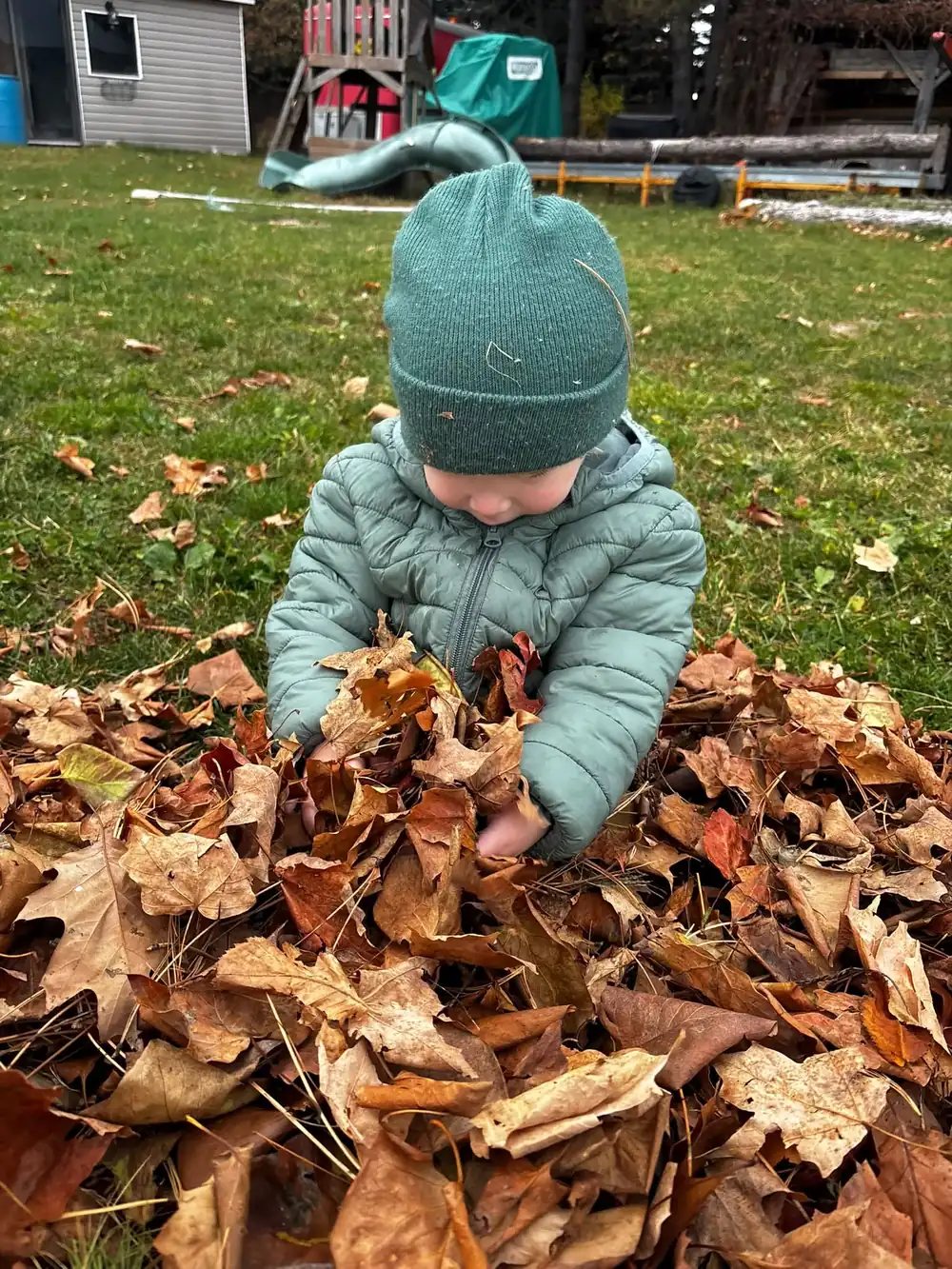
I took a photo that day that I still love. It’s Will in a puffy jacket, a wool hat pulled down over his ears, crouched with his bottom in the air, poking a dry stick into the grass with the focus of a real field biologist. It makes me laugh every time.
 Save
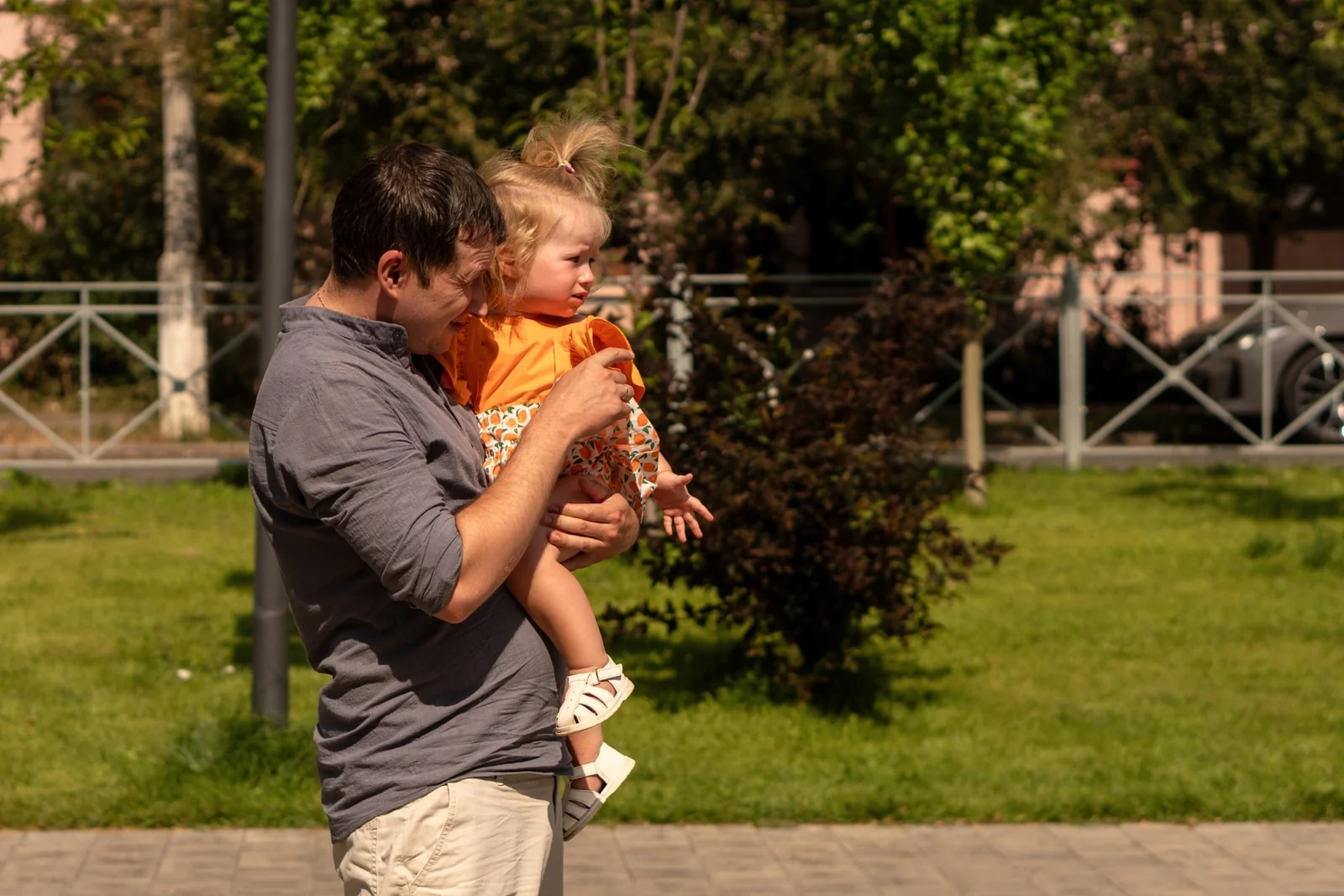
Some walks go the other way. Your toddler takes off across the grass, or plants themselves on the sidewalk with both arms up and refuses to take another step. Let’s be real: that’s a toddler walk too. Pick them up for a stretch, or hold out the card and ask where the bird went. And if they’re done, you’re done. Home is a fine place for a hunt to end.
 Save
The hardest part of a slow walk, for me, was holding back. That photo taught me to stop hurrying Will along and let him stop wherever he wanted, for as long as he wanted.
Miri’s Tip
What should your toddler leave where it is?
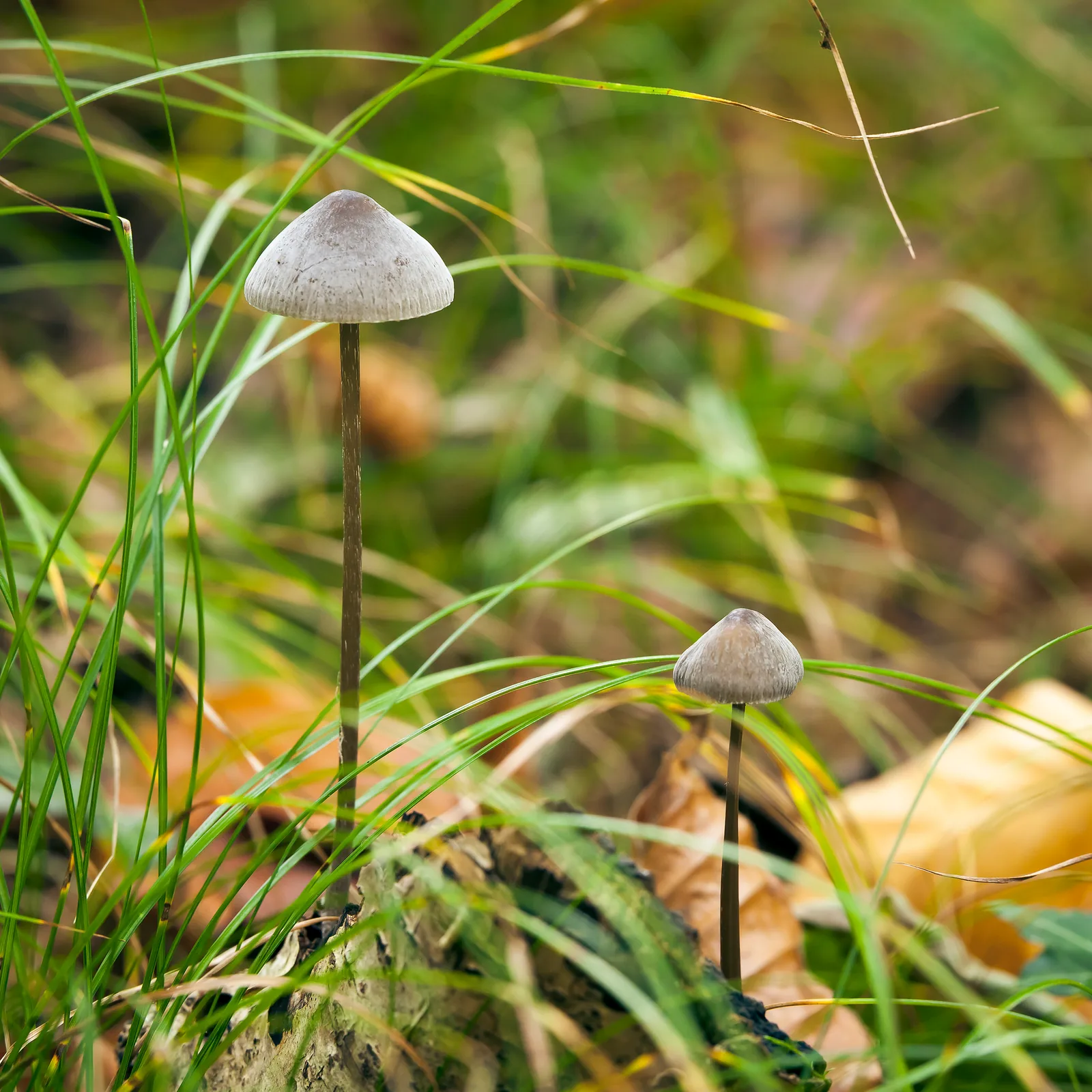
Wild mushrooms and berries top the leave-it list: hands off, and never in the bag. Anything small enough to fit in a toddler’s mouth, like pebbles and little pine cones, stays on the ground too.
Poison Control suggests finding out the names of your plants, because expert help depends on accurate plant identification, and it says to watch young children carefully when they play outdoors. That’s why I’d keep mushrooms and berries off the card altogether, even as “just look” pictures. A toddler who has spent the whole walk hunting for things wants to grab what they find, and searching for something they’re not allowed to touch is a tall order for a 2-year-old.
 Save
Poison Control says eating any amount of any wild mushroom could be very dangerous. If your toddler eats any part of a mushroom picked from the yard or the woods, call your poison center right away at 1-800-222-1222.
If they eat part of a plant or some berries and you can’t say what it was, call that same number or use the webPOISONCONTROL online tool. Babies and toddlers are at the highest risk of choking because they love to explore the world by putting things in their mouths, the AAP says. So anything small enough to fit in a mouth, like pebbles and little pine cones, stays on the ground.
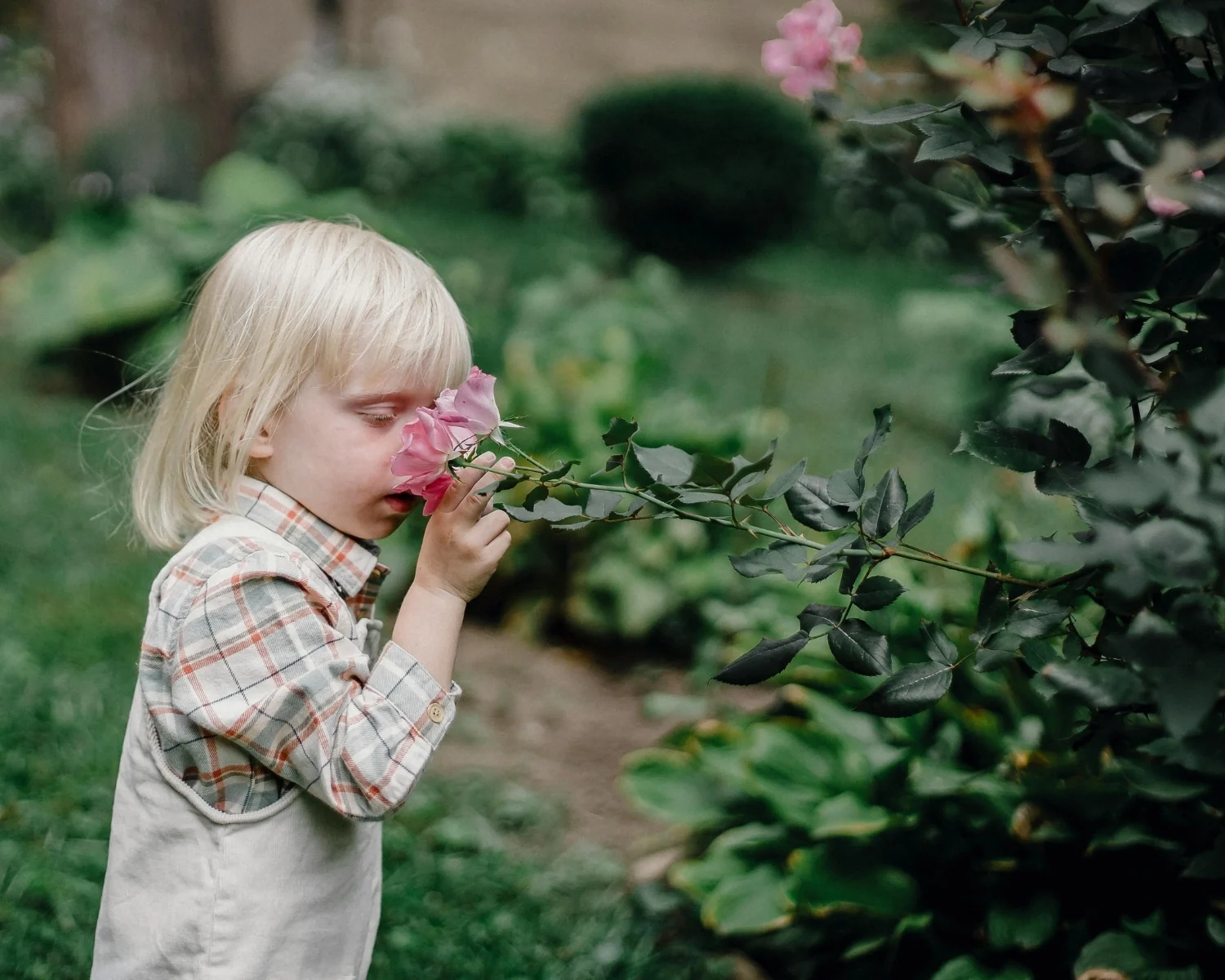
Everything in the “just look” rows is part of the game. A squirrel won’t fit in a bag anyway, and a flower left growing is one you get to visit again next week. For a toddler, pointing at something counts as finding it.
 Save
Nature walk activities for after you get home
Empty the bag onto a tray or a low shelf, say each find’s name again together, and leave the collection out for a few days so your toddler can come back to it on their own.
That tray is the start of a nature table, which I wrote about in my post on toddler outdoor play through the seasons. After a hunt, keep it simple. Line the finds up and use the same words you used outside: leaf, stick, the big pine cone. Your toddler will rearrange everything within a minute, and that rearranging is the activity.
If your toddler likes crayons, try a nature journal: a sheet of paper with one leaf taped on and some scribbles around it. Write the date in the corner. A few weeks of those pages show your street changing, one walk at a time. And on a rainy afternoon, the same picture card works from the window.
 Save
You don’t need a trail, a free Saturday or a finished card for any of this. One loop around the block, at your toddler’s speed, with five pictures in a small hand, is a whole nature scavenger hunt.
Frequently Asked Questions
Can you do an A to Z nature scavenger hunt with a toddler?
An A to Z nature scavenger hunt is built around letters, so it suits kids who already know them, like an older brother or sister. For a toddler who can’t read yet, a picture card works better. If siblings walk together, give the big kid the A to Z list and let your toddler hunt with pictures right beside them.
Conclusion
If you’re running on empty this week, the smallest version still counts. Draw five pictures on the back of an envelope: a leaf, a stick, a rock, a bird, whatever grows on your street. Tomorrow, walk toward the corner and let your toddler decide when you get there. Maybe that takes five minutes. Maybe you never make it past the neighbor’s lawn, and the hunt still did its job.
Give yourself permission to be slow on your next walk. Your toddler is already doing the hard part, which is noticing everything.
Miri
Fewer toys, deeper play.
Further Reading & Resources
See all 5 sources
- Plants and mushrooms: Poisonous and non-poisonous plants: An illustrated list (Poison Control)
- Sun and ticks: Summer Sun, Heat & Air Quality: Tips to Keep Kids Safe (American Academy of Pediatrics, HealthyChildren.org) · Preventing Tick Bites (Centers for Disease Control and Prevention)
- Choking: Choking Prevention for Babies & Children: What Every Parent Needs to Know (American Academy of Pediatrics, HealthyChildren.org)
- Montessori background: Montessori Great Ideas (Association Montessori Internationale archives)