
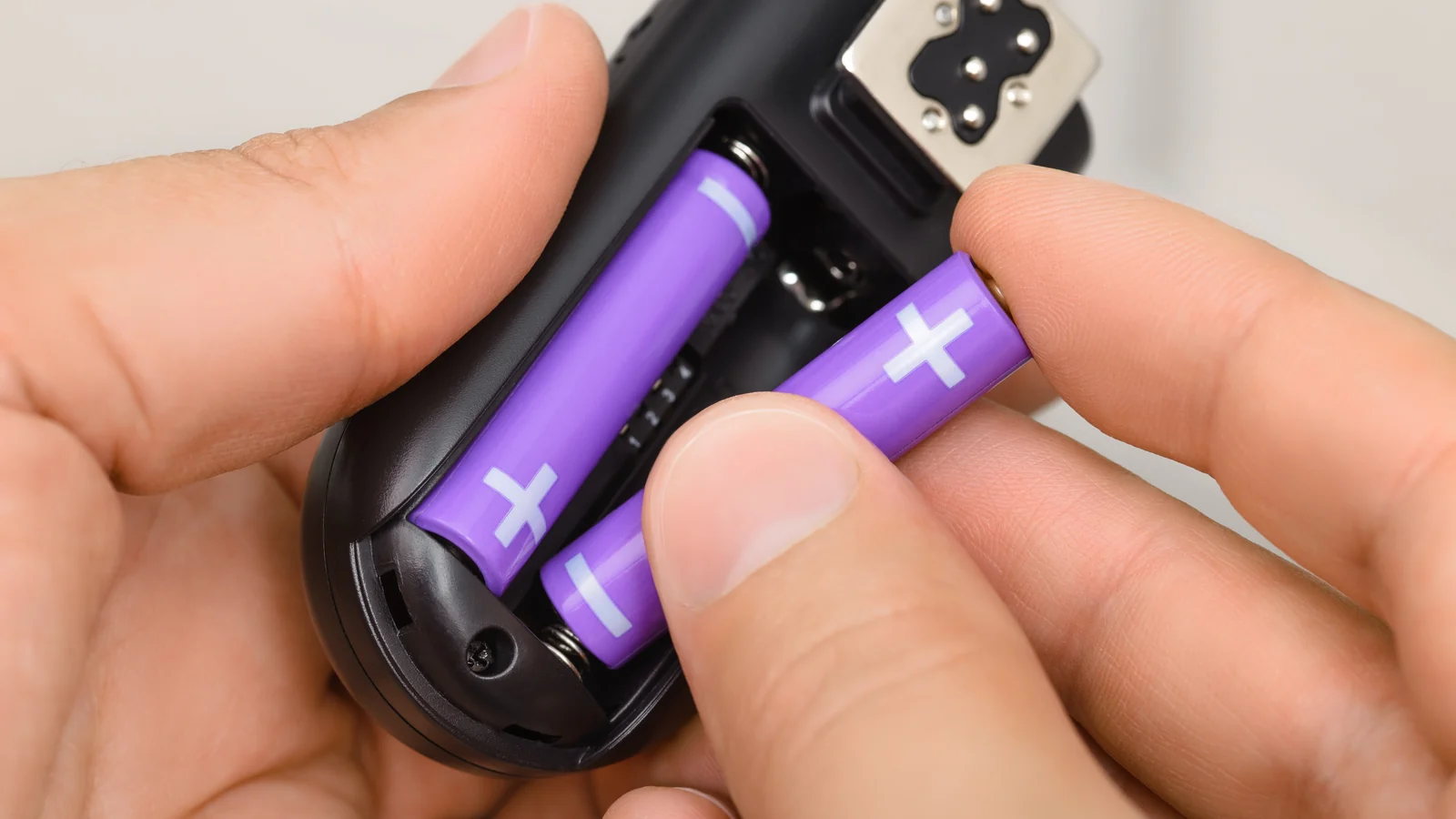
You pop the back off a small remote, set the two old coin batteries on the coffee table, and go dig through the junk drawer for fresh ones. Back at the table, you count one, and your toddler was sitting right there on the rug a minute ago. The National Capital Poison Center (Poison Control) is clear about this exact moment: call the National Battery Ingestion Hotline at 1-800-498-8666 or a poison center at 1-800-222-1222 immediately, and don’t wait for symptoms.
Maybe the battery rolled under the couch. Maybe it’s in your pocket. You don’t need to be sure before you call. The U.S. Consumer Product Safety Commission (CPSC) tells parents to call if they so much as suspect a child swallowed one.
Button batteries hide in more corners of a busy house than you’d guess, which is why they get their own spot when you’re babyproofing your home. What follows: what to do first, why the clock matters, where these batteries live and how to keep them out of small hands, with magnets at the end.
What should you do right now if your child swallowed a button battery?
Call 1-800-498-8666 or 1-800-222-1222, then go to the ER even if your child seems fine. Don’t make them throw up, and give nothing to eat or drink except honey, which fits only under Poison Control’s strict conditions.
Four steps, in this order:
- Call right away, without waiting for symptoms. The National Battery Ingestion Hotline is 1-800-498-8666; Poison Help is 1-800-222-1222. Poison Control’s button battery tips also list its online tool, webPOISONCONTROL.
- Go to the ER now, even if your child seems fine. The CPSC says to seek medical attention immediately, because a button battery can burn through a child’s throat or esophagus in as little as two hours.
- Don’t make them throw up. Poison Control’s guidance starts with “Do not induce vomiting.” Other than honey, nothing to eat or drink until an X-ray shows the battery is past the esophagus.
- Honey, only if every condition below fits. It rides along and never replaces the drive.
 Save
Step four comes with strict conditions, so here they are in full.
Poison Control’s guidance says to give honey right away, and on the way to the ER, only if all of these are true: a lithium coin battery may have been swallowed (if you don’t know the type, assume it is one unless it’s a hearing aid battery); your child is 12 months or older, because honey isn’t safe under age one; it happened within the last 12 hours; your child can swallow; and you have honey on hand. The dose is 10 mL (2 teaspoons) every 10 minutes, for up to 6 doses.
Honey slows the injury but won’t stop it. Do not delay going to the ER to find, buy or give honey.
If you’re reading this on a calm afternoon with nothing missing, good. That’s the best time to learn it, because the fastest call is the one you don’t have to look up.
Save both numbers in your phone tonight, right under your pediatrician’s.
Why give honey for button battery ingestion?
Honey sounds like something from a grandmother’s kitchen, so it’s fair to wonder why it’s in emergency advice at all. Poison Control’s triage and treatment guideline, written for medical staff, says honey slows the development of battery injury but won’t stop it. The CPSC’s button battery page frames it as a way to reduce injury in the stretch before doctors can take the battery out.
Each condition in that box has a reason. Honey isn’t safe for babies under one. After 12 hours, the guideline says, the risk that the battery has already made a hole in the esophagus goes up. And the guideline is blunt: honey is no substitute for getting a stuck battery out right away.
So if every condition fits and there’s honey in the pantry, bring it to the car. If there isn’t, keep driving.
What happens when a button battery is ingested?
A swallowed button battery becomes an emergency when it gets stuck in the esophagus, the tube from the throat to the stomach. There it can cause burns, and Poison Control says life-threatening complications can follow if it isn’t removed within 2 hours.
That usually happens in small children, according to Poison Control. The hardest part to sit with is that a child with a battery stuck there may have no symptoms at first, and the clinician guideline adds that most serious battery ingestions aren’t witnessed. Nobody saw it, and the child looked fine. So if you’re searching for button battery ingestion symptoms, the honest answer is that there may not be any at first. Don’t wait for them.
Poison Control notes that most button battery ingestions are benign, with the battery passing through the gut without a problem. In a handful of cases, though, children with serious injury to the esophagus were found after the battery had already moved past it. You can’t tell where it is by looking at your child. That’s what the X-ray at the hospital is for.
Some batteries are worse than others. Poison Control calls the 20 mm lithium coin cell one of the most serious problems when swallowed, and you can often spot one by the code stamped on it: CR2032, CR2025 or CR2016. It also tells families to be especially careful with any product that holds a battery as big as a penny or larger, and it reports more than 71 deaths and 280 cases of severe burns to the esophagus or airway.
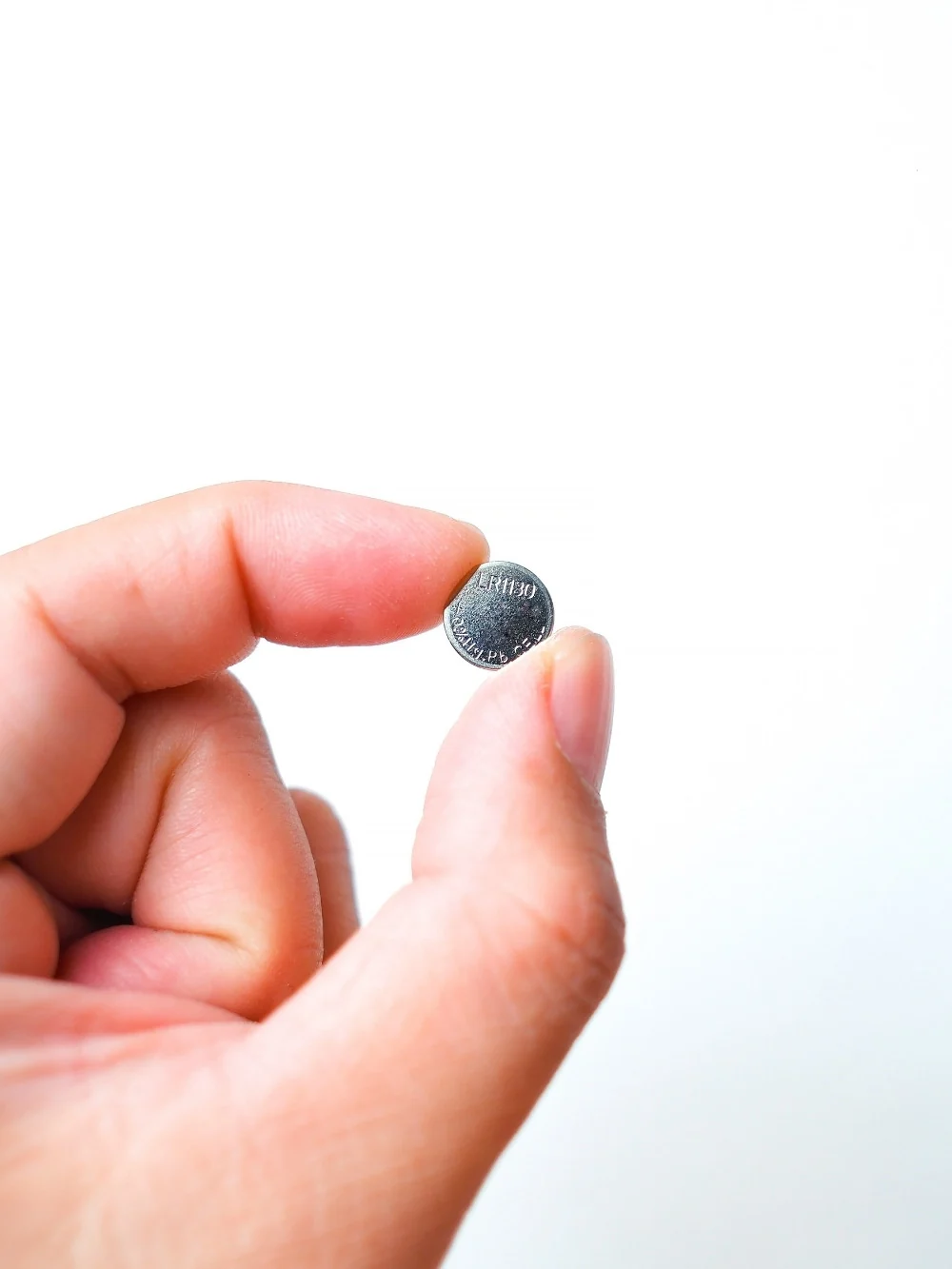
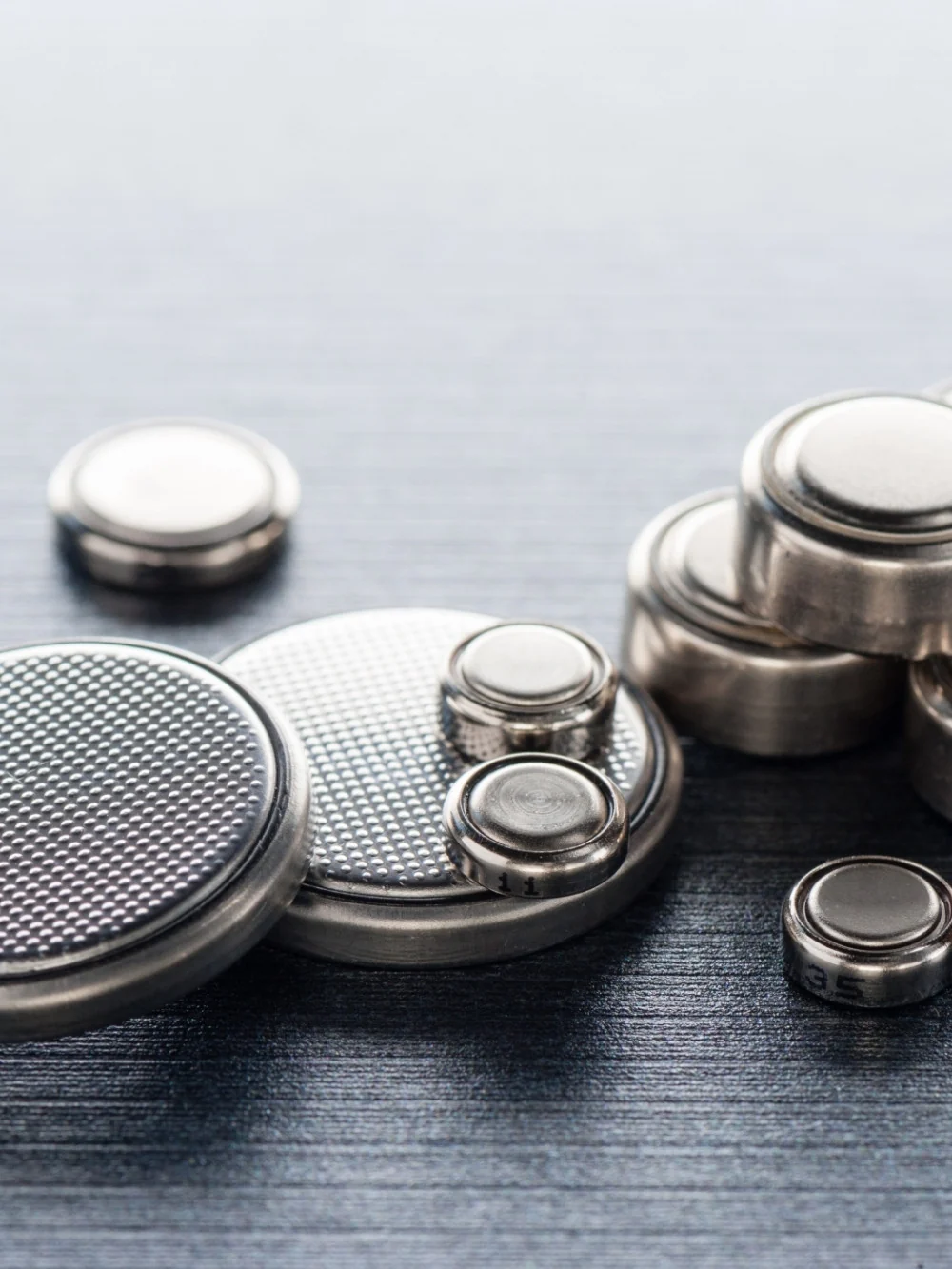
Check the code stamped on the battery. Poison Control says 20 mm lithium cells often carry CR2032, CR2025 or CR2016. · A battery the size of a penny can feel too small to worry about. Poison Control says to be especially cautious with any product that holds a battery that big or bigger.
The CPSC’s own numbers point the same way. From 2011 through 2021, the agency was aware of 27 deaths and an estimated 54,300 emergency room visits linked to button or coin batteries that were swallowed or inserted. The accountant in me did the division: that’s close to 5,000 ER visits a year, or about 14 a day on average, in the CPSC’s count through 2021.
Button battery safety: where they hide at home
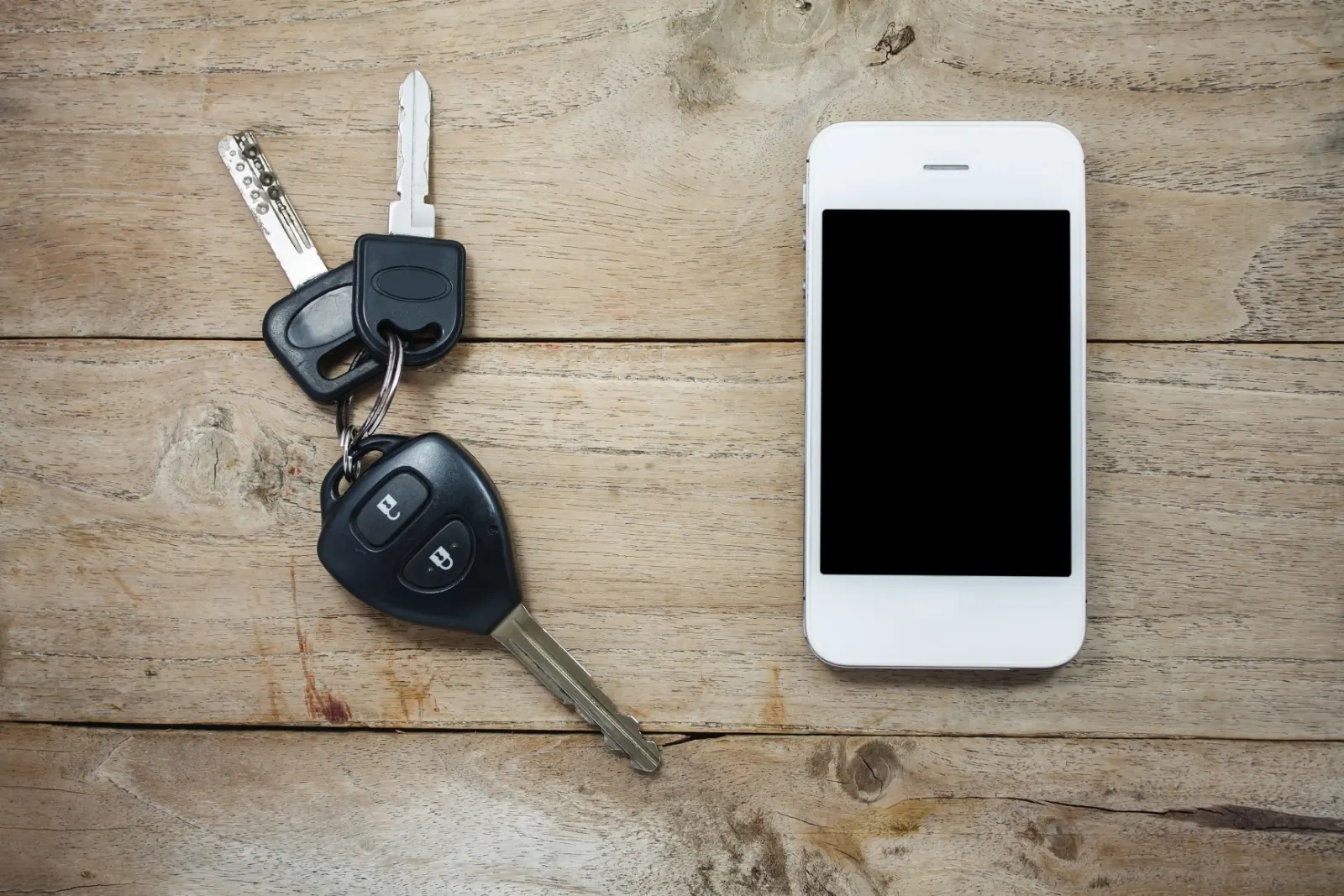
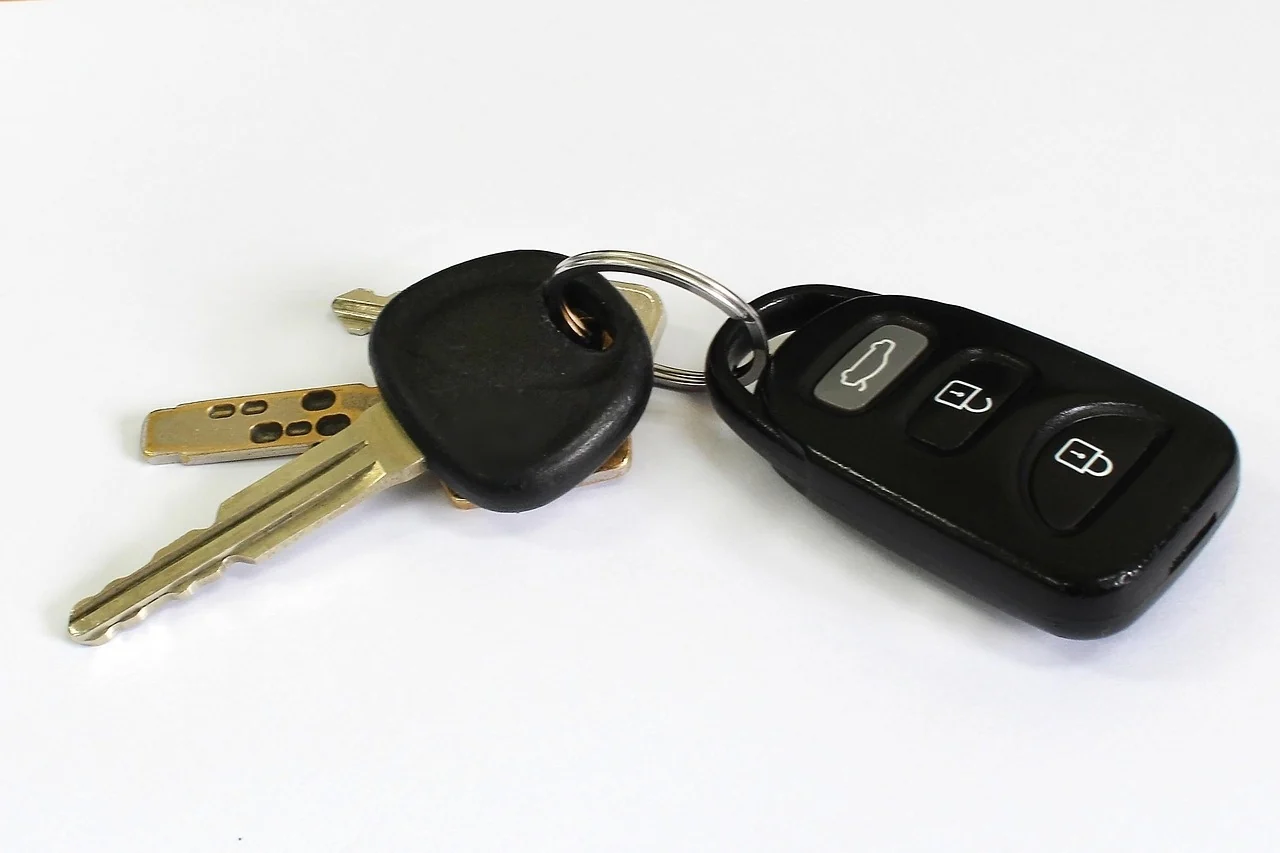
Button batteries are the small, flat batteries inside remotes, flameless candles, car key fobs, scales, thermometers, singing cards and some toys. Good button battery safety starts with knowing every place they live in your house.
Most of us could name two or three. Poison Control’s list is much longer: remote controls, tea lights and flameless candles, garage door openers, keyless entry fobs, bathroom scales, toys, watches, digital thermometers, singing greeting cards, talking books, flashing shoes and lighted jewelry. In our house, they’re in the digital scale, a thermometer, the car key and a few of Will’s books that play music.
 Save
Flip each one over. The table covers the usual suspects.
| Item | Where the battery sits | What to check |
|---|---|---|
| Remote controls | Behind a back cover | Does the cover need a screwdriver? If not, tape it shut or keep the remote out of reach |
| Flameless candles and tea lights | In the base | Can the base pop open? Tape it, or keep the candles up high |
| Car key fobs | Inside the fob case | Keys stay out of reach, and the case should still click firmly shut |
| Bathroom and kitchen scales | Underneath, behind a cover | Is the cover intact? A damaged compartment means repair, replace or retire the item |
| Digital thermometers | Behind a small cap or panel | Does the cap stay on? Put the thermometer away after each use |
| Singing cards and talking books | In a small compartment or pocket | Is the compartment closed and undamaged? Tape it or retire the card |
| Battery-operated toys | Behind a battery door | It should take a screwdriver, coin or tool to open. Loose or broken? Take the toy out of rotation |
Almost everything on that list is something a toddler wants to hold: buttons to press, lights, music, keys that jingle. Poison Control also points out that some compartments can pop open when a device gets dropped, and toddlers drop things all day long.
 Save
How do you prevent button battery ingestion?
Start with every battery door in the house: anything that opens without a screwdriver gets tape or goes up high. Then store spares out of reach, change batteries away from your toddler, and tape used ones before they leave your hand.
None of this takes a weekend. Most of it becomes a habit the next time a battery dies.
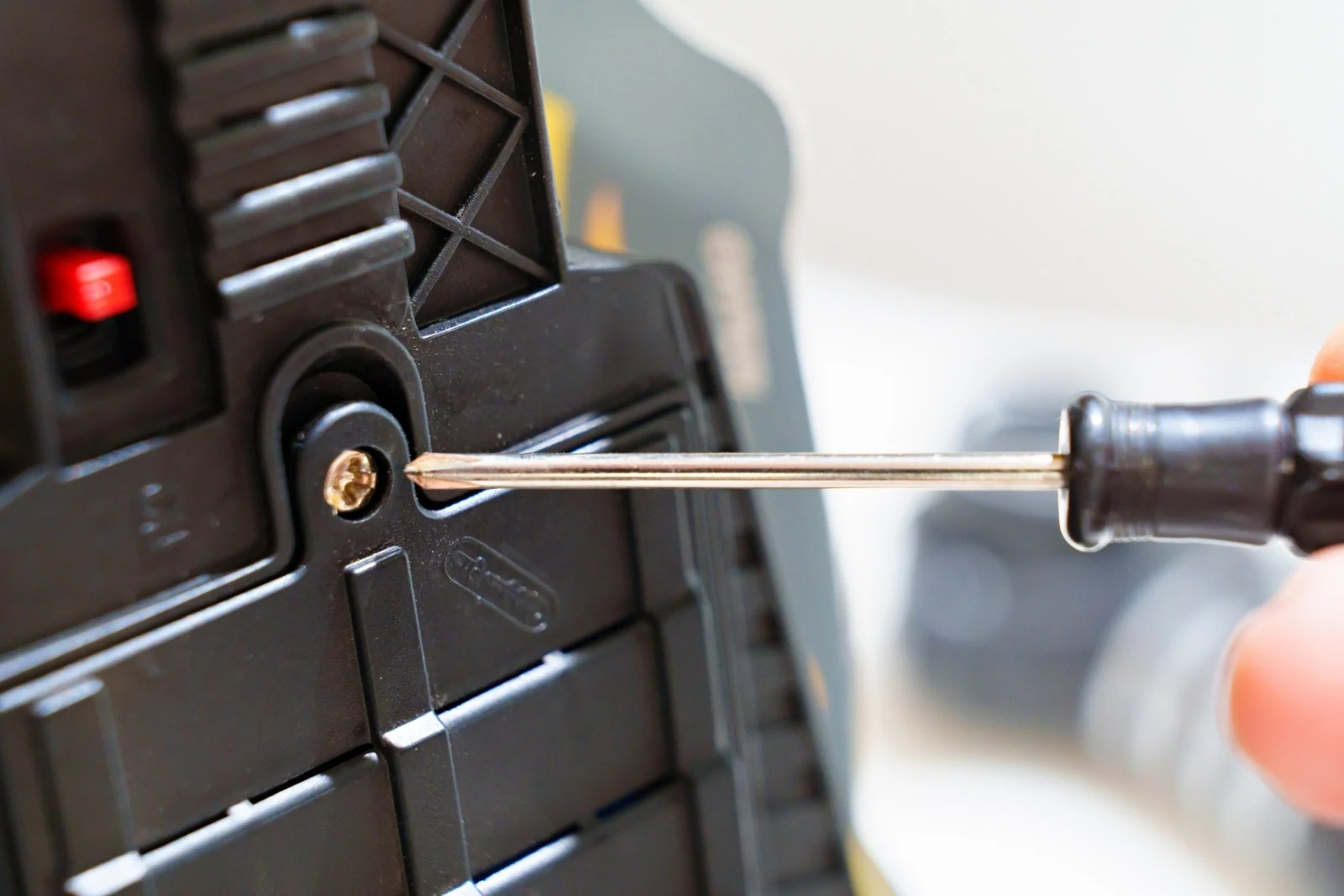
- Check the closure. No screw closure? The CPSC says to keep that product away from children. Damaged? Replace it as soon as possible.
- Tape what opens too easily, or might pop open if dropped, as Poison Control suggests.
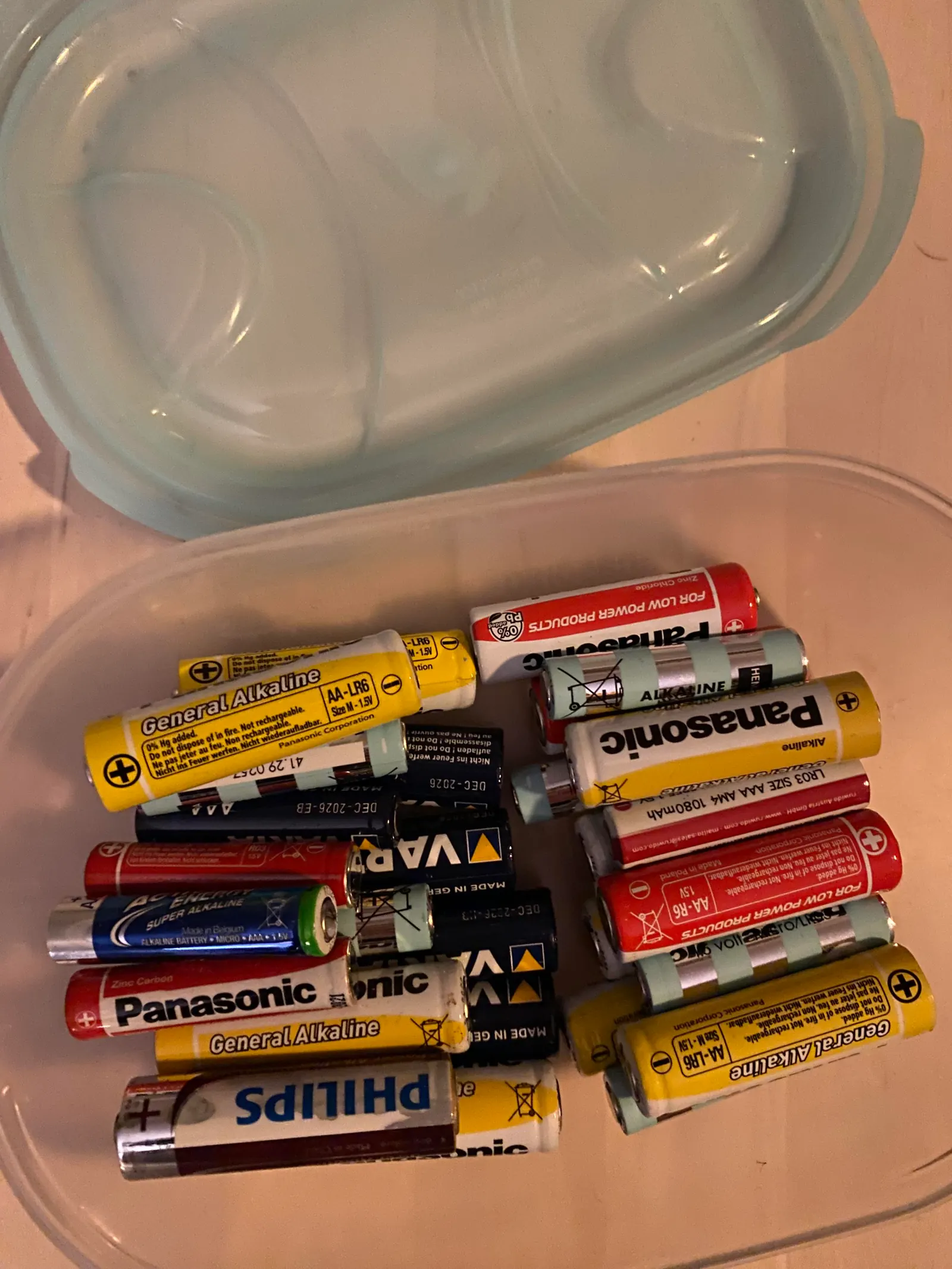
- Give spares a home. Spare batteries and ones waiting for recycling go out of sight and reach, never sitting out.
- Change batteries out of view. Poison Control says not to do it in front of small children, who copy whatever your hands do.
- Tape used batteries right away. The CPSC says to cover the terminals, or the whole battery, with non-conductive tape such as electrical tape, then take it to a battery-collection center.
When you’re shopping, Poison Control’s advice is to choose products that need a screwdriver or tool to open the battery compartment, or that close with a child-resistant lock. Toys already have to meet a version of that: the CPSC says toys with button or coin batteries are required to have a secure closure that takes a screwdriver, coin or tool to open, and it asks parents to check the toys already at home. If you’re comparing musical toys for babies, turn each one over and look at the battery door before it goes on the shelf.
 Save
Spares and dead batteries need a spot that stays the same every time, so nobody has to think about it.
Our spare batteries and the dead ones waiting to be recycled live in a plastic box that latches shut, on the top shelf of the storage closet in our basement. I tape both sides of a used battery as soon as it comes out, and it waits in that box until it goes to recycling.
Miri’s Tip
 Save
Once the battery doors are taped and the spares have a home, most of the work is done. What’s left is keeping up: a new gadget at the holidays, a birthday card that sings, a toy that shows up with batteries already inside.
What Reese’s Law changed
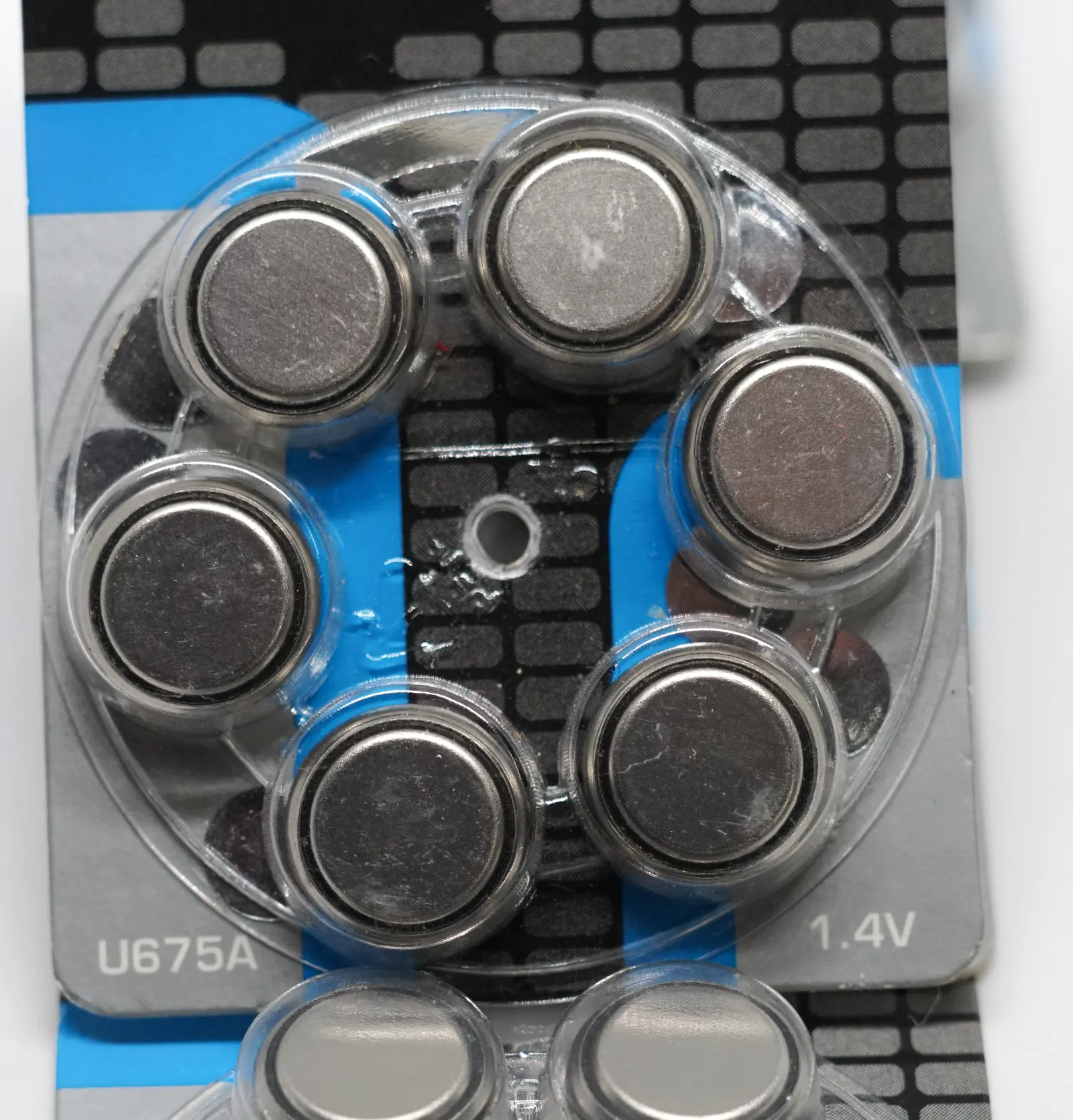
Reese’s Law became law on August 16, 2022. It requires child-resistant packaging for button and coin batteries made or imported after February 12, 2023, and it requires the CPSC to set federal safety rules for these batteries and the products that use them.
The packaging part may be the one you’ve already noticed, if you’ve wrestled a new pack open lately. Under Reese’s Law, any button or coin battery made or imported after February 12, 2023, whether sold on its own or included separately with a product, has to come in child-resistant packaging, according to the CPSC’s 2023 announcement. Batteries made or imported on or before that date aren’t covered, so an older pack in your drawer may still open easily.
For the products themselves, the CPSC’s rule (16 CFR part 1263) says a compartment holding replaceable button or coin batteries has to be secured so that opening it takes a tool or at least two separate hand movements at the same time. The product’s packaging has to carry a warning too. Toys for kids under 14 that meet the battery rules in the federal toy standard, ASTM F963, are exempt, because they already have battery requirements of their own.
 Save
So whatever was already in your home before these rules is still yours to check, and the walk-through above is how you do it. For older toys and baby gear, the other half of the job is checking for toy recalls.
Magnet ingestion: the other small swallow to take seriously
If you think your child swallowed a magnet, get medical attention right away. Two or more swallowed magnets can pull toward each other inside the body, and the CPSC calls high-powered magnets a risk from the toddler years through the teens.
The CPSC’s magnet safety page says injuries from swallowing high-powered magnets are increasing, and that they’re serious and sometimes fatal. So magnet ingestion belongs on the same mental list as batteries, right next to the remote and the key fob.
If you suspect your child has swallowed a magnet, the CPSC’s advice is to seek immediate medical attention. When two or more magnets are swallowed, they can attract each other inside the body.
There’s a federal rule for magnets now, too. The Safety Standard for Magnets (16 CFR part 1262) covers magnet products made after October 21, 2022 and sold for entertainment, jewelry (including children’s jewelry), mental stimulation or stress relief. It limits how strong a loose magnet can be when it’s small enough to swallow. Toys covered by the federal toy standard (16 CFR part 1250, which incorporates ASTM F963) are exempt from this rule.
 Save
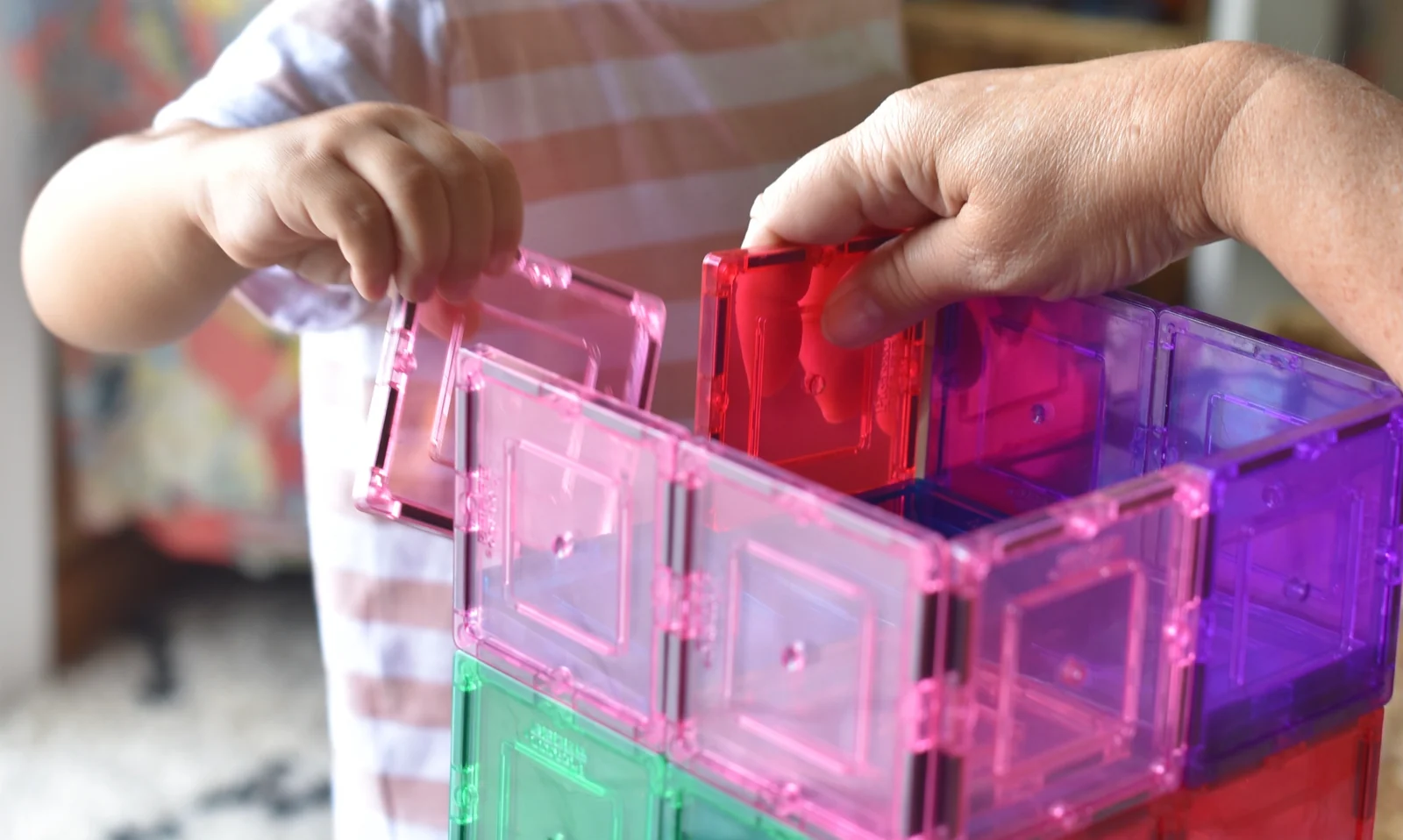
Will builds with magnetic tiles every day, so when we tidy up at night, I run my eyes and fingers over every single tile. Anything cracked or split at the edge goes straight in the trash.
Miri’s Tip
If your village includes a grandparent’s house or a sitter’s, the same two checks travel with you: battery doors and loose magnets. There’s a short safety walk-through for grandparents that’s easy to send ahead of your next visit.
Frequently Asked Questions
What is a button battery ingestion?
A button battery ingestion is when a child swallows one of the small, flat batteries found in remotes, key fobs, scales and some toys. It’s most dangerous when the battery gets stuck in the esophagus, where it can cause burns within 2 hours. Poison Control singles out 20 mm lithium coin cells, often marked CR2032, CR2025 or CR2016.
How does honey help with button battery ingestion?
Honey helps with button battery ingestion by slowing the injury on the way to the ER, according to Poison Control’s guideline, though it won’t stop it. The guidance applies only to children 12 months or older who can swallow, within 12 hours, when a lithium coin cell may be involved: 10 mL every 10 minutes, up to 6 doses. Never delay the ER for it.
What are the signs of button battery ingestion?
The signs of button battery ingestion can be hard to spot, and a child may have no symptoms at first. Poison Control notes that most serious cases aren’t even witnessed. So don’t wait for signs. If you think your child swallowed a button battery, call 1-800-498-8666 or 1-800-222-1222 and go to the ER right away.
Conclusion
You don’t have to babyproof every gadget in the house tonight. Two small things are enough to start: save 1-800-498-8666 and 1-800-222-1222 in your phone, and the next time you’re in the living room, turn the remote over and see whether its battery door needs a screwdriver. The rest can happen one dead battery at a time.
A toddler who gets into everything is doing exactly what toddlers do. Every battery door you check makes that curiosity a little easier to say yes to.
Miri
Fewer toys, deeper play.
Further Reading & Resources
See all 7 sources
- What to do in an emergency: Safety tips for button batteries and Button battery ingestion triage and treatment guideline (National Capital Poison Center)
- Button batteries and Reese’s Law: Button Cell and Coin Batteries · Making Families Safer from Button Cell or Coin Battery Dangers; Reese’s Law Leads to New Federal Mandatory Safety Standard (2023) · Button Cell and Coin Battery Business Guidance (U.S. Consumer Product Safety Commission)
- Magnets: Magnets and Magnets Business Guidance (U.S. Consumer Product Safety Commission)