
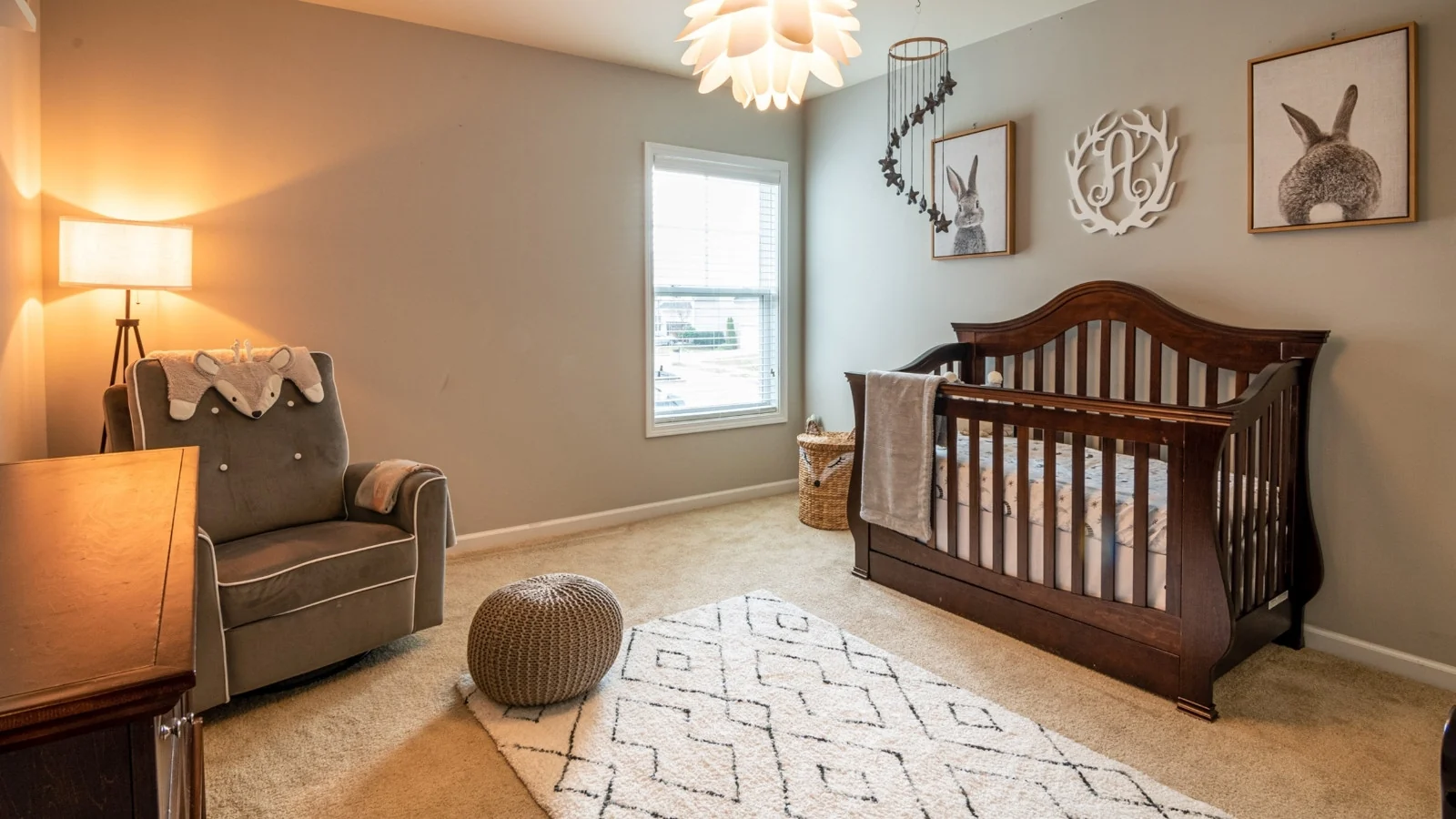
Somewhere along the way, you probably heard that corded blinds were banned. It sounds like something that should have happened by now, and partly it did. In November 2022, the CPSC approved a rule that treats hazardous cords on ready-made blinds as a “substantial product hazard.”
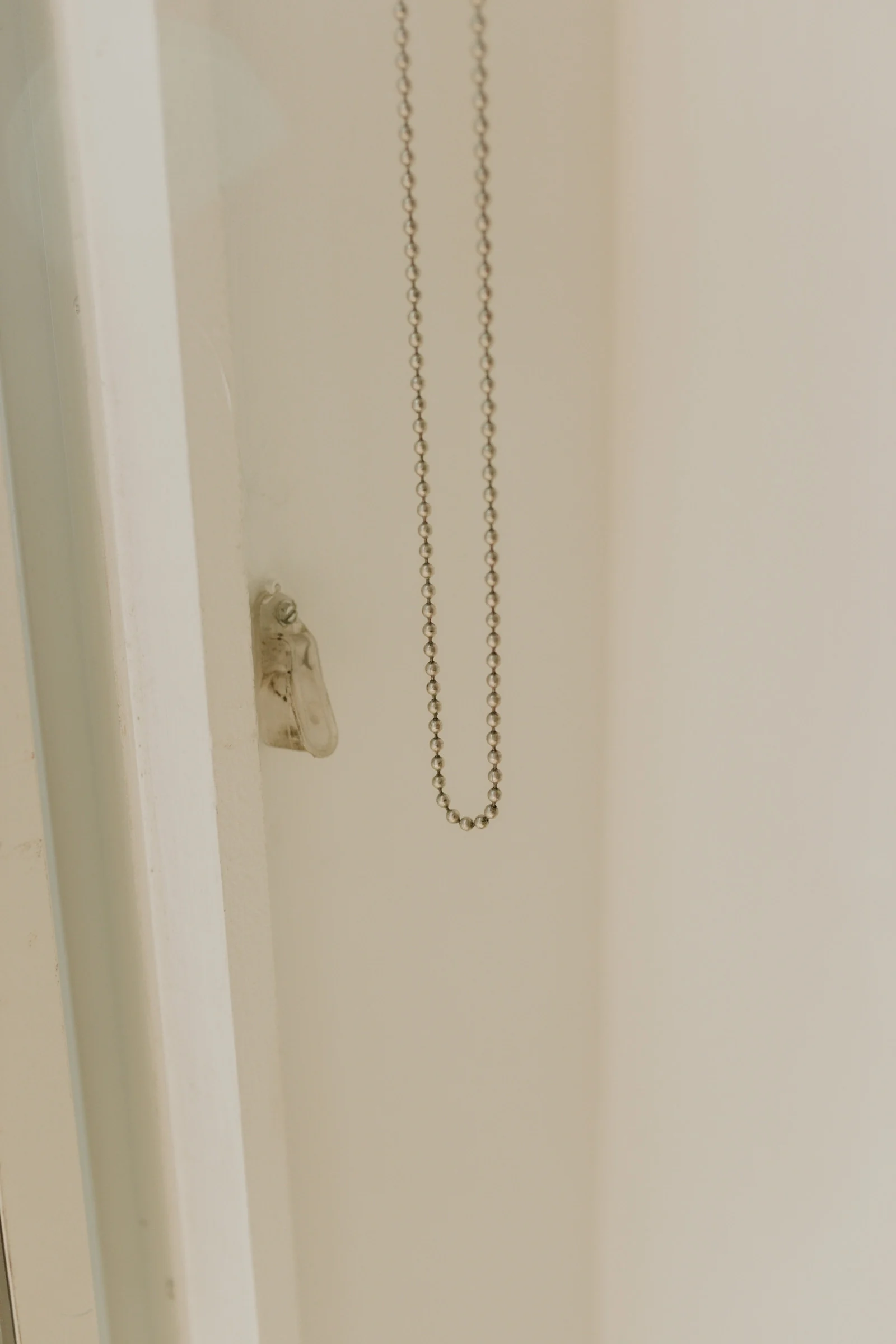
The catch is in the timing. That rule applies to blinds made after it took effect, so the ones that came with your rental, or the ones the last owners left behind, can still have a long pull cord hanging right by your toddler’s bed.
And toddlers find cords. The same kid who can spot a single crumb under the couch from across the room will get to that cord long before it crosses your mind.
I’m writing this with corded shades still hanging in my own son’s room, so you’re hearing it from someone in the same spot. Cords and windows are one corner of babyproofing your home, and they’re easy to overlook because blinds fade into the background of a room. Most of what follows is something you can start on tonight.
Why are window blind cords dangerous for toddlers?
A blind cord is dangerous because a small child can get tangled in it and strangle in moments, and the CPSC says it’s often silent, so an adult nearby may not realize anything is wrong.
According to the CPSC’s window cord safety page, children have strangled on the cords of blinds, shades and drapes, and it can happen in mere moments, even with an adult nearby. That last part is the hardest to sit with. You can be in the same room, answering a text, and hear nothing at all.
As of its 2022 release, the agency put the number at “about nine children under 5” a year who die from strangling on window covering cords. Spread over a whole country, that can sound small, which is part of why cords are so easy to forget until you actually look.
The toddler years add their own twist. Between one and three, kids climb onto beds and couches to see out the window, tug on anything that swings, and wrap things around themselves while they play. That’s ordinary toddler curiosity, so the job of keeping cords out of reach falls to us.
To us, blinds are part of the wall. To a toddler, a swinging cord is the most interesting thing in the room.
The same question, how long is that cord and could it form a loop, is worth asking about toys that clip onto a stroller or car seat as well.
 Save
What the rule covers, and what it doesn’t
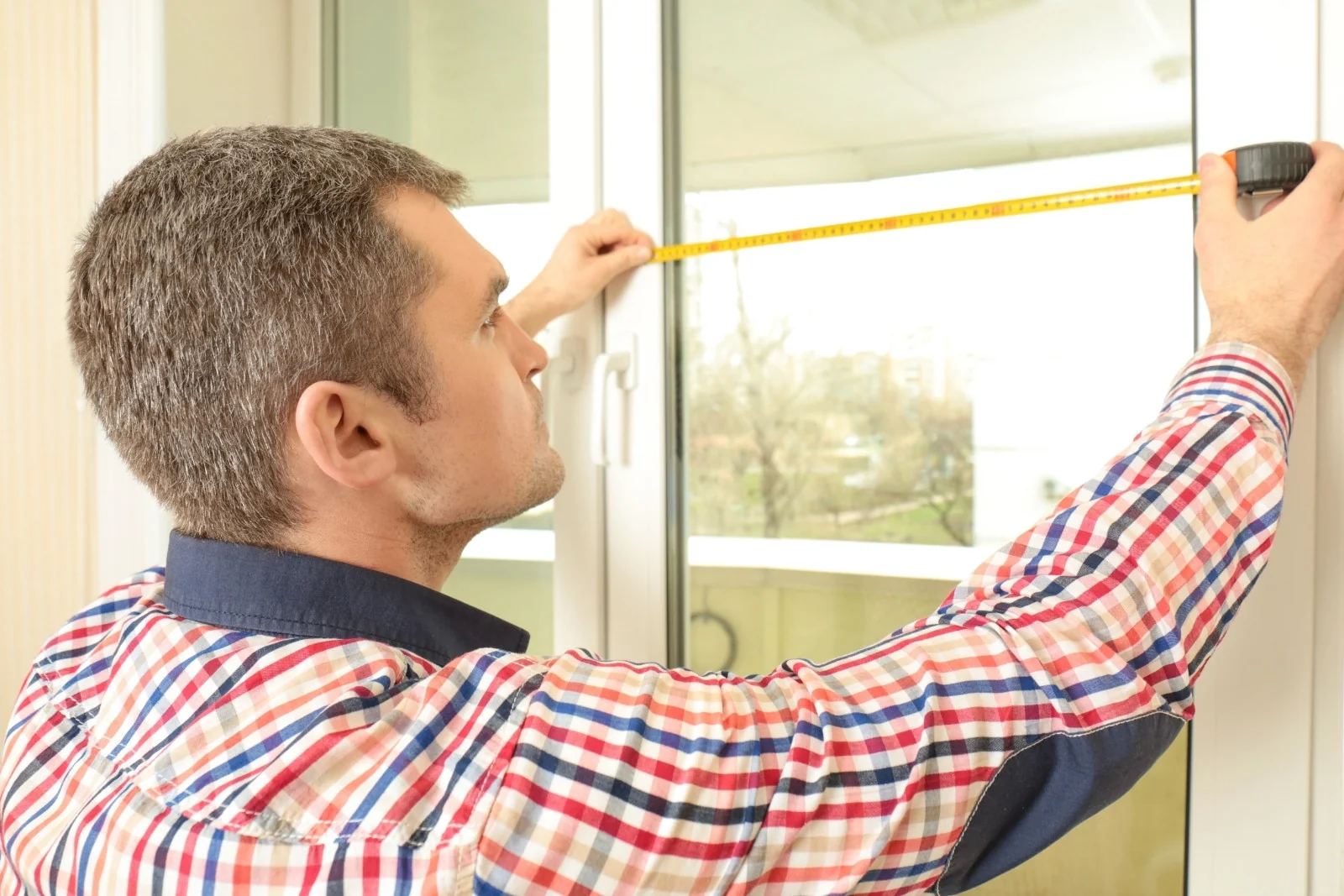
The CPSC’s rule covers new ready-made blinds: ones that don’t meet the cord requirements count as a “substantial product hazard.” Operating cords must be gone, 8 inches or shorter, or out of reach. Blinds made before the rule took effect aren’t covered.
For ready-made (stock) blinds, the CPSC treats any that don’t meet the cord sections of the voluntary standard ANSI/WCMA A100.1-2018 as a “substantial product hazard,” according to its business guidance on window coverings. Under that standard, operating cords have to be cordless (motorized counts), short, meaning 8 inches or less, or inaccessible. The CPSC’s November 2022 release says this applies to products manufactured after the rule’s effective date.
Made-to-order blinds deserve a second look too, and I wouldn’t assume a custom order arrives with safe cords. When you order, ask for cordless first.
 Save
So the rule is about what gets made from here on, and it can’t shorten a cord that’s already hanging in your living room. When someone says corded blinds are banned, the accurate version is narrower: new ready-made blinds have to keep their cords short, out of reach, or gone.
Most window blinds sold before November 2000 have inner cords, the ones inside the blind, that a child can pull out into a loop big enough to catch their neck. The CPSC says to replace that kind of blind right away.
Go cordless: what child safe blinds look like
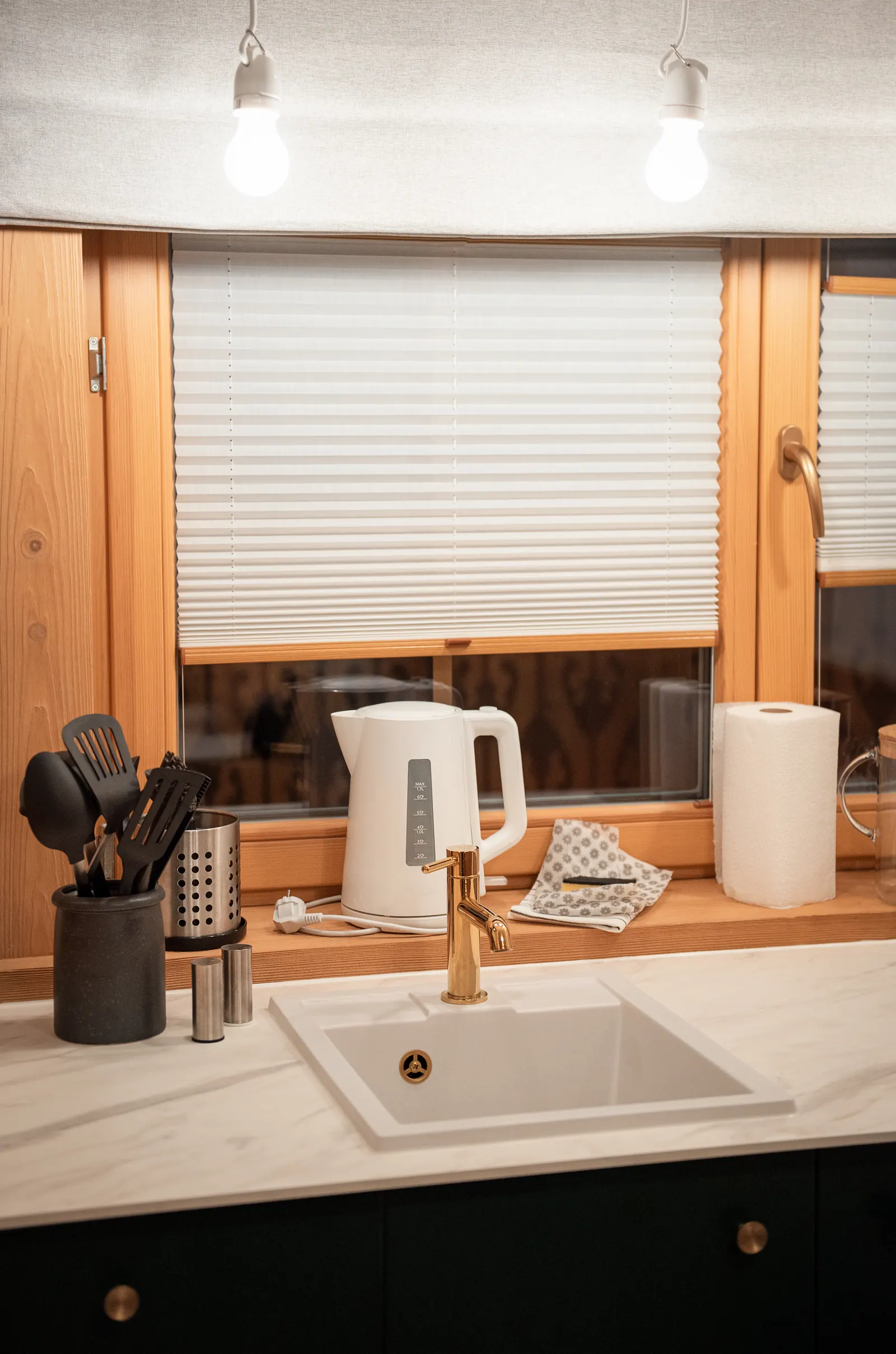
Child safe blinds have no operating cord a child can grab. They lift and lower without one, run on a motor, or keep any cord short or out of reach, and the CPSC calls cordless the safest choice around young children.
The agency’s wording leaves very little wiggle room: when young children are present, the safest option is to go cordless. Every other fix in this guide lowers the risk while you get there.
Cordless blinds have no operating cord to pull. With most manual ones, you move the shade itself, and motorized shades run on a motor instead; the standard the CPSC uses counts both as cordless. If I were picking shades from scratch today, cordless would be my first filter, before fabric, color or anything else.
 Save
What the Best for Kids label means
When you shop for cordless shades, you’ll likely run into a “Best for Kids” label. It’s worth knowing who runs it. According to the Window Covering Safety Council (WCSC) and its Best for Kids page, it’s a certification program from the window covering industry itself, set up through the Window Covering Manufacturers Association, with products tested by a third-party lab.
To qualify, a product has to have no operating cords, and its inner cords have to be out of a child’s reach, unless they can’t form a dangerous loop at all. The program says there are no exceptions to its criteria. Products that rely on breakaway cords, tie-downs or cord cleats don’t qualify. That tells you something useful: the industry’s own child-safety label doesn’t count those add-ons as enough.
Because it’s the industry’s program, think of the label as a quick filter in the store. The reason you’re filtering at all is the CPSC’s advice to go cordless.
Window blind cord safety when you can’t replace them yet
Start by moving the bed, crib and anything climbable away from the window, then shorten pull cords, set cord stops and anchor looped cords tight. The CPSC is clear that these steps lower the risk without removing it.
Maybe you rent and the blinds aren’t yours to swap. Maybe the whole house needs new shades and that’s a someday project. Either way, the corded blinds are staying up for now, and there’s still real work you can do this week.
These are the CPSC’s steps, in the order I’d tackle them:
- Move the furniture. Cribs, beds, furniture and toys go away from windows and window cords, preferably to another wall. If your toddler sleeps on a Montessori floor bed, that mattress moves too.
- Shorten the pull cords. Make them as short as possible so nothing dangles.
- Check the cord stops. The CPSC says cord stops on the pull cords should sit within 1 to 2 inches of the head rail (the box across the top) when the blind is all the way down.
- Anchor continuous loops. A continuous-loop cord on drapes or blinds gets anchored to the floor or the wall, with the right fasteners for that surface, so it’s taut but still works.
The American Academy of Pediatrics (AAP) starts from the same place: avoid window coverings with cords. If yours aren’t cordless, its home safety page, last updated in 2022, says to attach the cords to floor mounts that hold them taut, or wrap them around wall brackets out of reach, and to use safety stop devices.
Where the two pages part ways is looped cords. The AAP says to cut cords with loops and fit them with safety tassels, while the CPSC’s page talks about anchoring continuous loops so they stay taut. The table keeps them separate so you can see whose advice is whose.
If your blinds have no cord stops, or a continuous loop has nothing holding it down, the CPSC says the WCSC offers a free kit, at 800-506-4636 or windowcoverings.org. Worth knowing before you call: the CPSC also says those kits don’t fix the dangling pull cord found on many common blinds.
| Cord you see | What the CPSC says | What the AAP says | Fixes it? |
|---|---|---|---|
| A pull cord dangling below the blind | Make it as short as possible; cord stops within 1 to 2 inches of the head rail. WCSC kits don’t address this cord | Wrap cords around wall brackets out of reach; use safety stop devices | Lowers the risk only |
| A continuous-loop cord | Anchor it to the floor or wall so it’s taut but still works | Attach cords to floor mounts that hold them taut | Lowers the risk only |
| A cord with a loop in it | Not addressed; cordless is the only option that eliminates the strangulation hazard | Cut the loop and fit a safety tassel | Lowers the risk only |
| Inner cords on blinds sold before November 2000 | Replace that kind of blind right away | Avoid window coverings with cords | Yes, by replacing the blind with a cordless one |
| A cord wrapped on a hook or cleat | Not addressed; cordless is the only option that eliminates the strangulation hazard | Wrap cords around wall brackets out of reach | Lowers the risk; products that rely on cleats can’t earn Best for Kids |
The CPSC says it plainly: these steps “will not eliminate the hazard; they will only reduce it.” Cordless coverings are the only option that removes it.
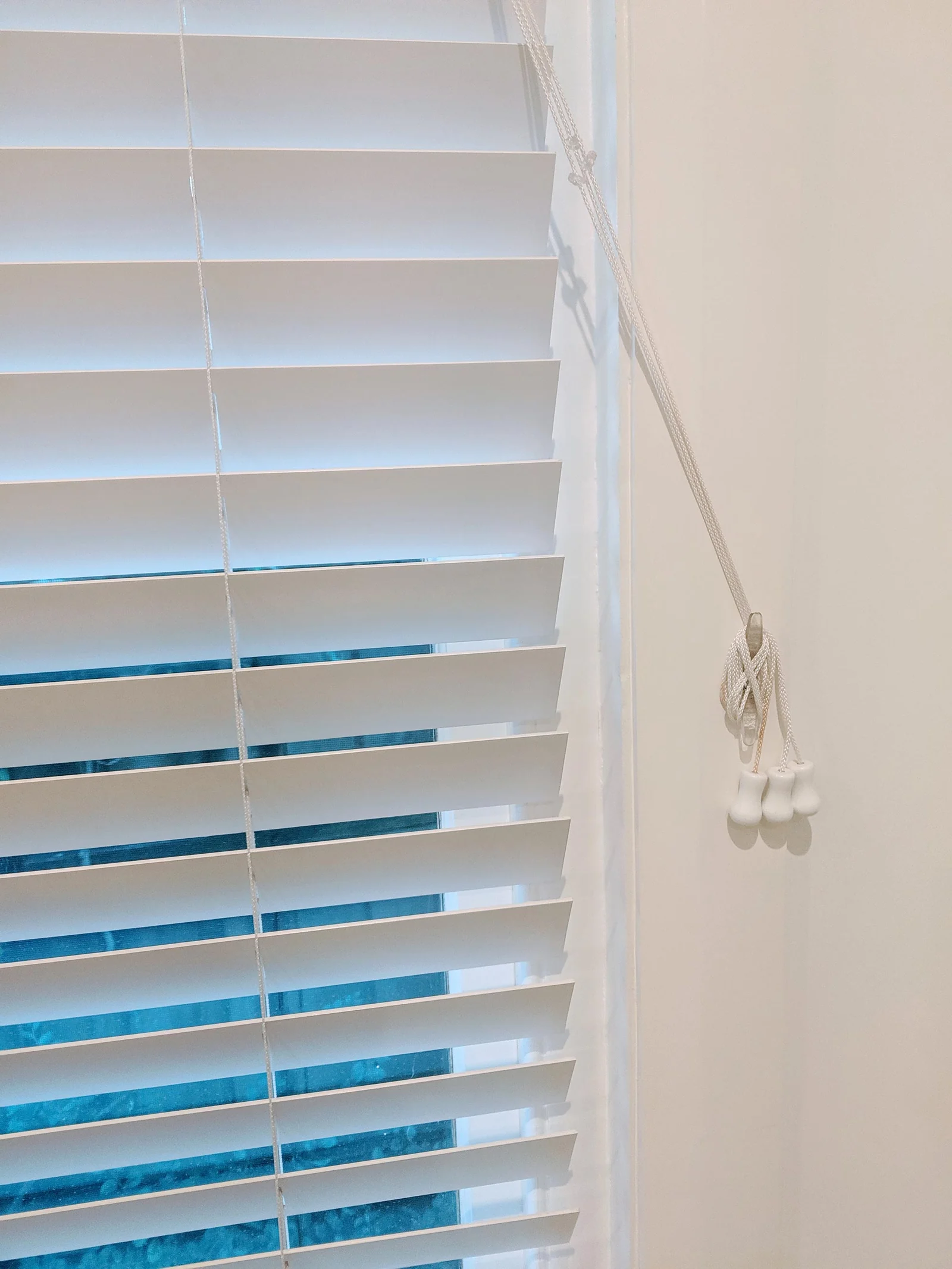
The cellular shades in Will’s room and our living room still have the traditional pull cords, so my husband, Dom, put plastic hooks up high beside the window frames and wraps all the cord around them, out of Will’s reach. It lowers the risk, and that’s all it does, so if you try it, mount the hook where your toddler can’t reach it from the floor or from anything they can climb onto.
Miri’s Tip
 Save
So think of the fixes as the bridge and cordless shades as the other side. When you’re able to replace them, start with the rooms where your toddler sleeps and plays, and keep the fixes in place everywhere else until then.
Window safety for babies and toddlers
Open windows from the top whenever you can. If one has to open from the bottom, the AAP says to fit a window guard that only an adult or older child can open from inside, because a screen won’t stop a fall.
Cords are only half of the window. The other half is the window itself, and it starts to matter right around the time your child discovers that every ledge is a step up.
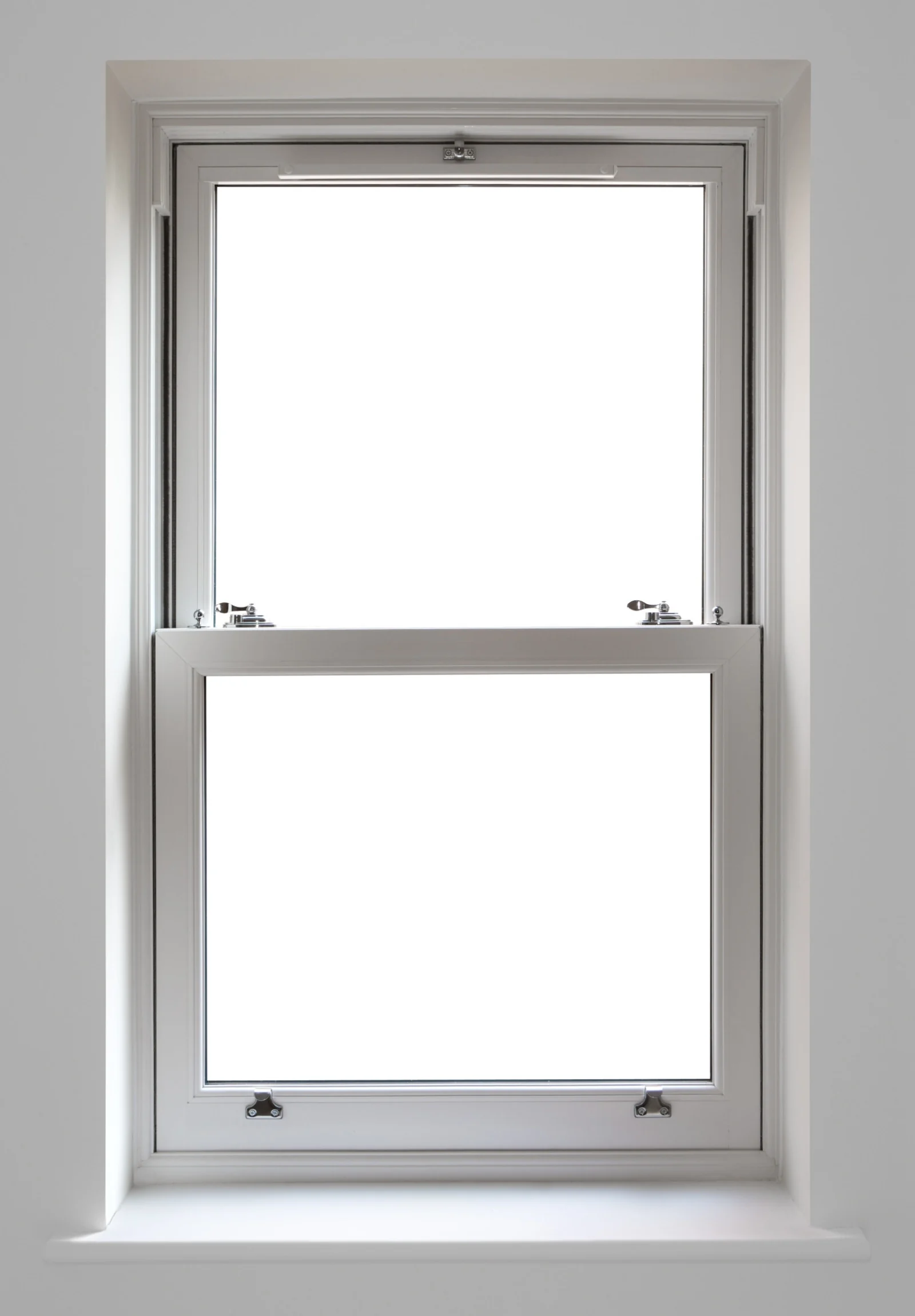
The AAP’s advice on window falls comes in four parts. Open windows from the top if possible. If you must open them from the bottom, install operable window guards that only an adult or older child can open from the inside. Don’t count on the screen, because it isn’t strong enough to prevent a fall. And never put chairs, sofas, low tables or anything else a child might climb on in front of a window.
 Save
A 2021 study in Academic Pediatrics looked at national emergency-room surveillance data from January 2007 to August 2017 and found 38,840 ER visits for window falls among kids and teens ages 0 to 17. The accountant in me divided that out: it comes to roughly ten visits a day, every day, for more than ten years.
A trauma-registry study from Portland, Oregon, published in 2025, looked at 399 children hurt in window falls between 2005 and 2016. Their median age was 3, and 72% were admitted to the hospital. It’s one registry, so it can’t speak for the whole country. That median age is the detail worth holding onto.
Window guards and window stops
A window guard is a set of bars or a grille across the open part of the window, and the kind the AAP describes can be opened from the inside by an adult or older child. If you live in New York City, the city’s housing department requires property owners to provide and properly install approved window guards on all windows in apartments where a child 10 or younger lives, including first-floor bathrooms and windows that lead onto a balcony or terrace (windows that open onto a fire escape are exempt). Tenants can also ask for guards in writing, even without a young child at home, and the landlord has to install them. That rule is New York City’s own.
Window stops are the other piece you’ll see: a small stop that keeps a window from opening past a certain point. Will’s window has one. He’s three, he loves to climb, and he often climbs onto the windowsill in his room to stand and watch squirrels run by or snow coming down. So for us, the stop was a must. It lets the window open about 4 inches (about 10 cm), enough for a breeze.
Please don’t treat our 4 inches as a rule. It’s simply how our window is set. The AAP advice above is about opening from the top, guards and keeping climbable things away, and it doesn’t give a measurement for window stops. A stop lowers one risk on one window, and the rest of that advice still applies.
 Save
The cord and window checklist
Walk each room your toddler uses and check six things in order: how old the blinds are, whether a cord is in reach, what’s near the window, the cord fixes, how the window opens, and what you’ll buy next time.
At Moje Montessori, we put these checks in this order because an early answer can change everything after it. Blinds from before November 2000 jump to the front of the replace list, and a cordless shade makes the cord fixes unnecessary.
 Save
- Are these blinds from before November 2000? Most have inner cords; the CPSC says replace that kind right away.
- Can your child reach a cord? Check from the floor and the bed. Hold old blinds to the new-blind test: short, out of reach or gone.
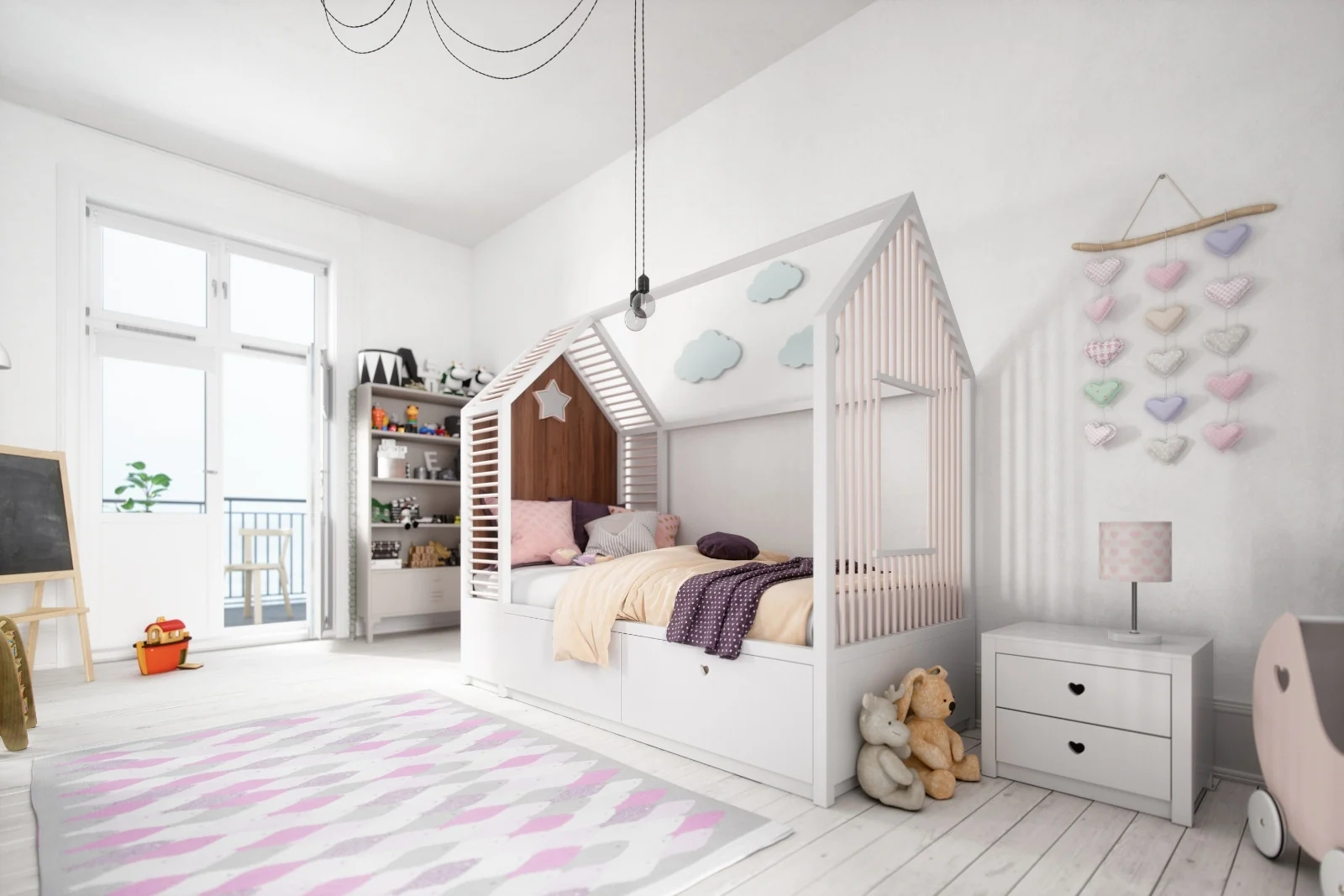
- What’s near the window? Beds, cribs, sofas, chairs and toys go on another wall.
- Are the cord fixes done? Short pull cords, cord stops 1 to 2 inches from the head rail, looped cords anchored taut.
- How does the window open? From the top; from the bottom only with a guard an adult opens from inside.
- What will you buy next time? Cordless, or Best for Kids.
Three easy mistakes to watch for:
Believing corded blinds are banned. The rule covers blinds made after it took effect, so the blinds in an older home or a rental can still have long cords.
Wrapping the cord and calling it done. A wrapped cord beats a dangling one, and it’s still a corded blind. The CPSC says these steps only reduce the hazard.
Trusting the screen. A screen keeps bugs out. The AAP says it isn’t strong enough to prevent a fall.
Cords and windows are one stop on the walk-through. A full babyproofing checklist for every room covers the rest of the house, from outlets to the cabinet under the sink.
Window cord strangulation can happen in moments, even with an adult nearby, and the CPSC says it’s often silent. Cordless blinds and shades are the only option that removes that hazard.
A screen is not strong enough to stop a fall. Keep chairs, sofas, low tables and anything else your child could climb on away from windows, and open windows from the top when you can.
 Save
You don’t need a free weekend for any of this. Most of the checklist is a slow walk through one room, and the first fix, pulling the bed to another wall, is often the simplest one on the list.
Frequently Asked Questions
How do cordless blinds work?
Cordless blinds work without an operating cord. You raise and lower them by moving the shade itself, or a motor does it for you, and motorized shades count as cordless under the standard the CPSC uses for stock blinds. With nothing to pull, there’s no dangling cord or loop for a curious toddler to find.
What are cordless blinds?
Cordless blinds are window coverings with no operating cord to pull. For a stricter test, look for the Best for Kids label: certified products have no operating cords, their inner cords are out of reach or can’t form a loop, and products that depend on cleats, tie-downs or breakaway parts don’t qualify.
Cordless or corded blinds: which should you choose?
Choose cordless when a young child lives in or visits your home. The CPSC calls cordless the safest option and the only one that removes the strangulation hazard. Corded blinds you already own can be made less risky with shorter cords, cord stops and furniture moved away, but those steps only reduce the hazard.
Conclusion
Tonight, after bedtime, stand at the window in your toddler’s room for a minute. Where does the cord end, and could a small hand reach it from the floor or the bed? What’s pushed up against the sill? If the answer is the bed, that’s your first job, and you can finish it before you go to sleep. Some of us are working with a rental’s blinds and a toddler who’s halfway up the couch before the coffee is done. We’re all just doing our best, and one window counts.
Start with the window in the room your toddler sleeps in. Every cord you shorten and every bed you move is real progress, even if the shades have to wait.
Miri
Fewer toys, deeper play.
Further Reading & Resources
See all 8 sources
- Blind cords and the rules: Window Covering Cords, Window Coverings 15(j) Rule Business Guidance and CPSC Approves New Federal Safety Standard for Custom Window Coverings (U.S. Consumer Product Safety Commission)
- Pediatric advice: Home Safety: Tips for Families With Young Children (American Academy of Pediatrics, HealthyChildren.org)
- Labels and window guards: Best for Kids (Window Covering Safety Council) · Window Guards (NYC Housing Preservation & Development)
- Window fall research: Unintentional Window Falls in Children and Adolescents (Academic Pediatrics, 2021) · Pediatric Window Falls: Factors Related to Clinical Outcomes Within a State Trauma Registry (Journal of Emergency Medicine, 2025)