
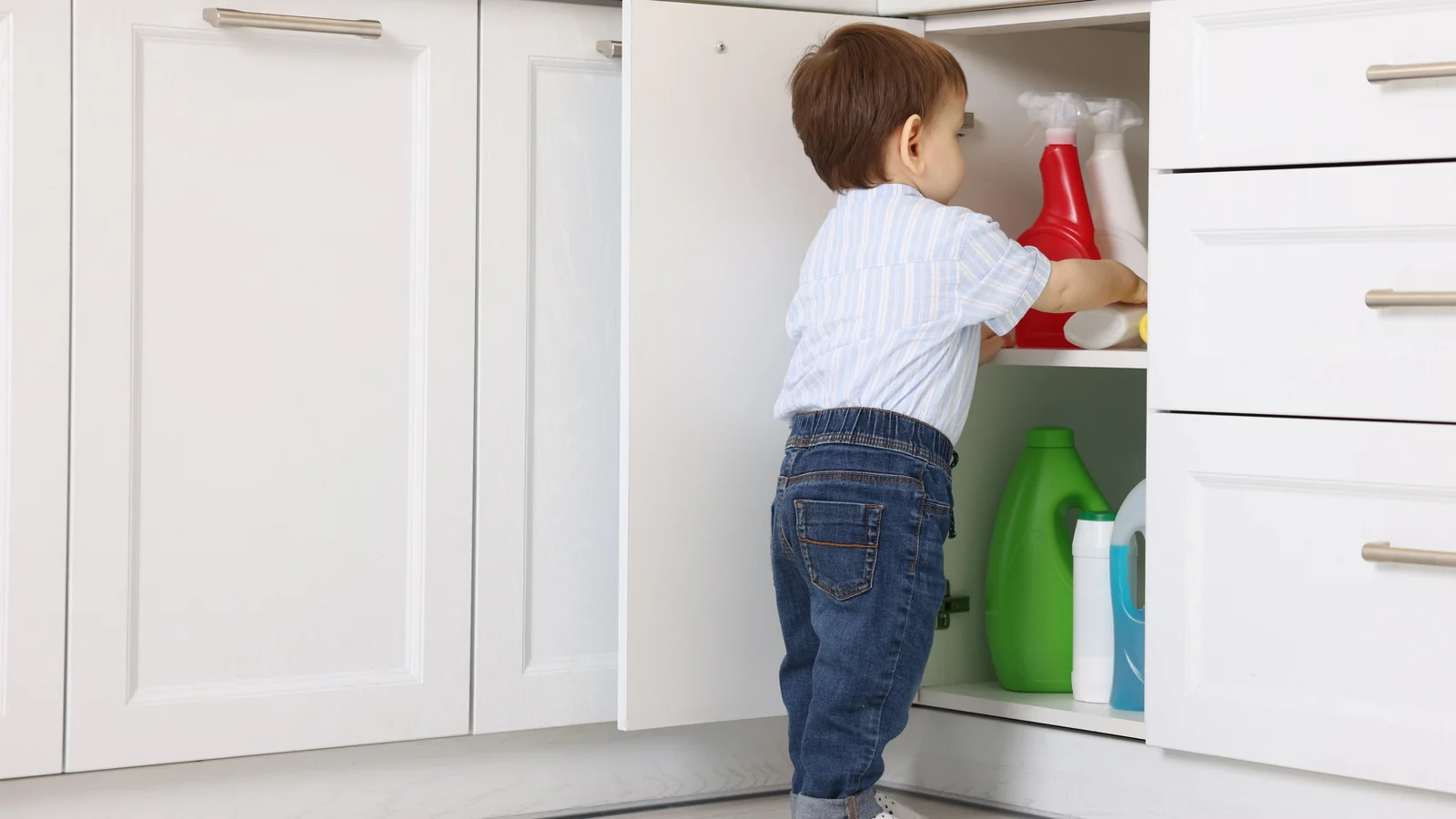
You’re unloading the dishwasher, stacking bowls in the cupboard, back turned for maybe ten seconds. When you turn around, the cabinet under the sink is wide open and your toddler is sitting on the floor with the dish soap in both hands, looking very pleased with themselves. The cap is still on. Your heart is pounding anyway.
So you look up a babyproofing checklist, and the first one runs to fifty items. Outlet covers, corner guards, toilet locks, window guards, door stoppers, a gadget for the oven. All of it sounds important, and none of it tells you what to do tonight. If that sounds like your house, you’re in good company.
This list is shorter on purpose. It goes one room at a time, starting where the stakes are highest, and every room begins the same way: down on the floor, at your toddler’s height. If you’re still deciding when to start babyproofing, that has its own page. This one is the walk-through.
Room by room babyproofing: where to start
Get down to your toddler’s eye level first, then work through the kitchen and bathroom, then the living room and bedroom, and finish with stairs, doors and the rest of the house.
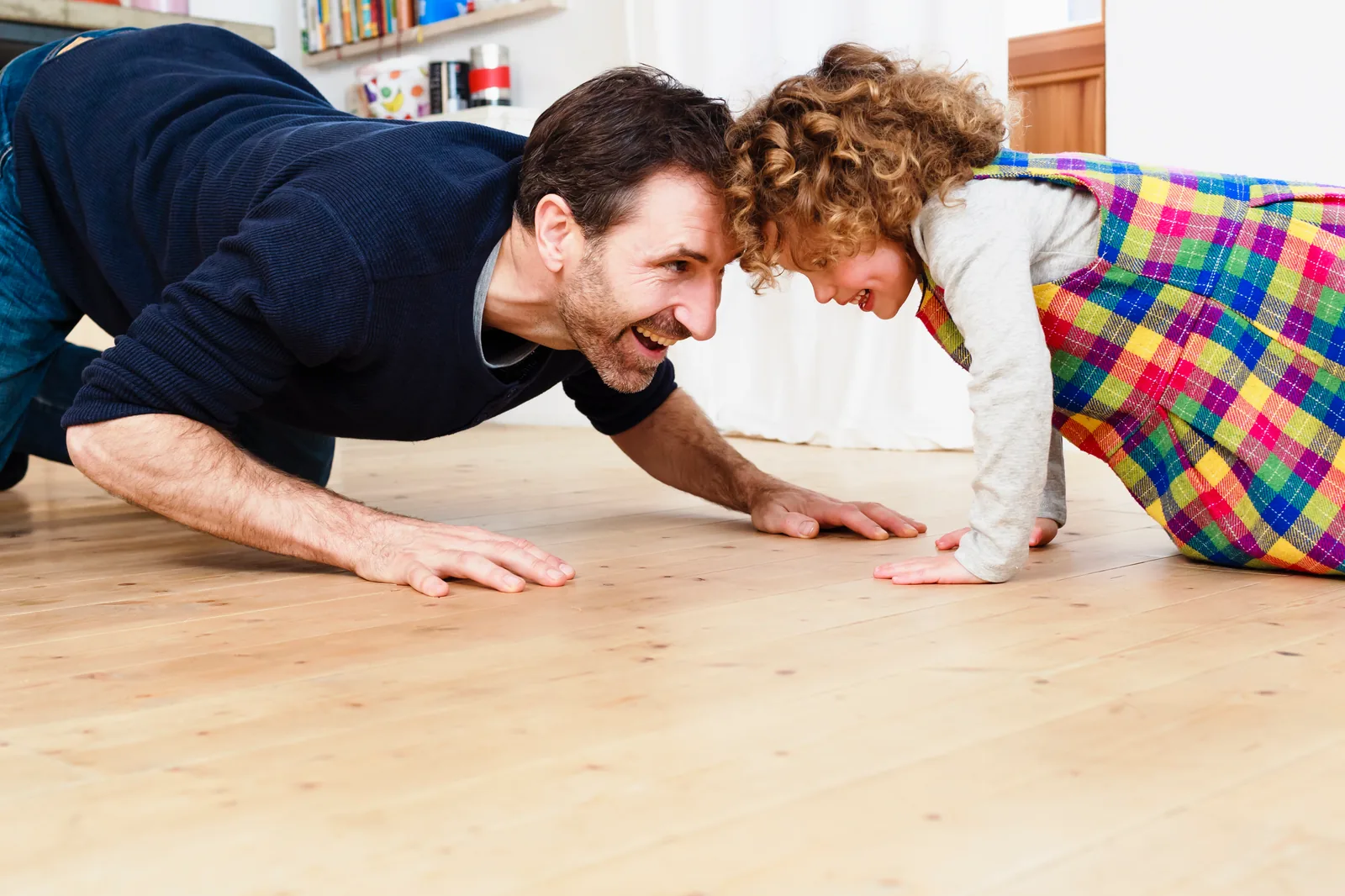
The American Academy of Pediatrics (AAP) tells parents to check floors constantly for small things a child could swallow, like coins, beads, buttons, pins and pills, which can cause choking or poisoning. Its method is refreshingly low-tech: get down at your child’s level and see what’s there. The AAP calls this extra important if older children in the house have small toys, or if someone’s hobby involves small items.
 Save
Do this before you buy a single latch. Kneeling on the kitchen tile, you’ll notice the cabinet pulls at nose height, the cord hanging off the coffee maker, the shiny thing under the radiator. Those are exactly the things your toddler notices. Toys on the floor count too, and if you’re unsure what makes one too small or too fragile, the basics are in how to choose safe toys for a baby.
Five minutes on the kitchen floor will show you more than a fifty-item list.
At Moje Montessori, we start with the kitchen and the bathroom, because that’s where medicines, cleaners and bath water live. The Centers for Disease Control and Prevention (CDC) says about 100 young children are brought to an emergency room every day because they got into medicines. The accountant in me did the math on that: roughly one child every 15 minutes, around the clock. The CDC also reports that more children ages 1 to 4 die from drowning than from any other cause. The AAP’s first bathroom rule fits that: never leave a young child alone in the bath, even for a moment.
Everything after those two rooms is still worth doing. It just comes second.
| Room | Fix first | Then | Go deeper |
|---|---|---|---|
| Kitchen | Cleaners and pods high and locked; no medicine on the counter | Pot handles to the back, knob covers, no dangling cords | Which babyproofing gear is worth buying |
| Bathroom | Never leave your child alone in the tub; toilet lid lock | Door latch at adult height, no-slip strips, tap water no hotter than 120°F | Water and bath safety |
| Anywhere medicine, alcohol or plants live | Up, away and out of sight, purses and guests’ bags included | Poison Help number saved in your phone | Poison Help steps |
| Living room | Outlet plugs, cords out of reach, screens on heat sources | Anchor the TV and shelves; coffee table corners | Anchoring furniture and TVs |
| Nursery or bedroom | Anchor the dresser; no TV on top of it | Blind cords, battery compartments | Floor bed room setup |
| Stairs, doors and windows | Gates at the top and bottom of the stairs | Glass, swinging and folding doors; windows opened from the top | Blinds and windows |
| The rest of the house | No gun, or one stored unloaded and locked, ammunition locked separately | Laundry room, home office, guest room | Setting up a play space |
What’s within reach changes as your toddler learns new tricks, so the table will shift a little as they grow. Start at the top anyway.
Kitchen: cabinet locks and stove knob covers
Kitchen babyproofing starts with the cabinet under the sink: cleaners and detergent pods go high and locked, and anything that has to stay low gets a self-latching lock. The stove, hot drinks and dangling cords come right after.
From the floor, a kitchen is mostly handles: cabinet handles, the oven handle, the pot handle sticking out over the stove, all at a height that practically asks to be pulled. The cabinet under the sink matters most, because that’s where most of us keep the strongest stuff in the house.
Detergent pods get their own warning on the AAP’s kitchen-safety page, because young children may mistake them for candy or gummy treats. The AAP suggests powdered or liquid detergent if at all possible, and the U.S. Consumer Product Safety Commission (CPSC) says it’s working to strengthen the voluntary safety standard for liquid laundry packets.
Cabinets and counters:
- Under the sink: strong cleaners, dishwasher soap and furniture polish move to a high cabinet, locked and out of sight. Whatever has to stay low goes behind an automatically fastening child safety lock.
- Laundry pods: up high and locked, or switch to powder or liquid.
- Containers: never pour a cleaner into a cup, jar or bottle that looks like it holds food.
- The counter: no medicines or vitamins left out, even between doses.
The stove and appliances:
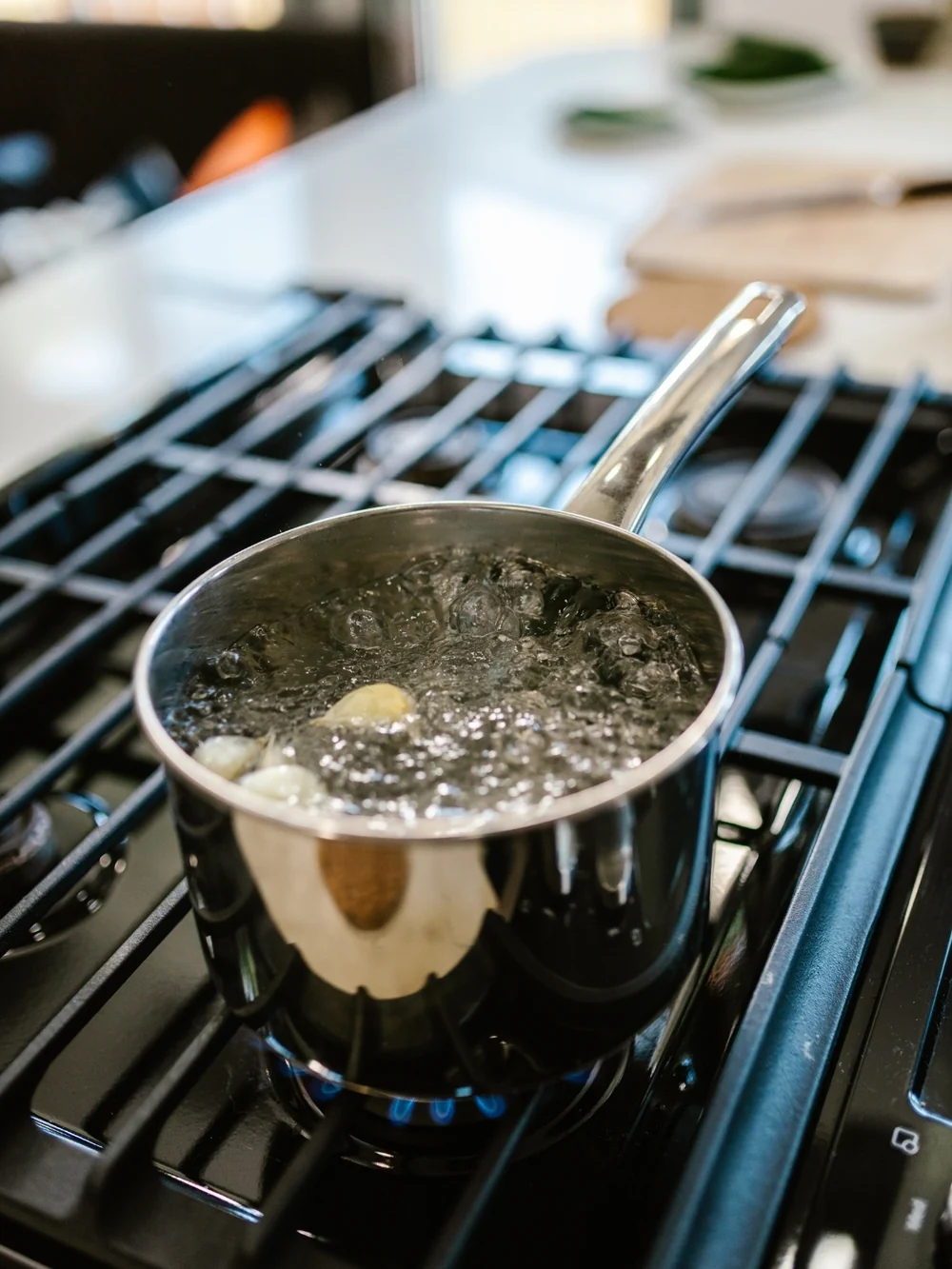
- Pot handles: turned toward the back of the stove.
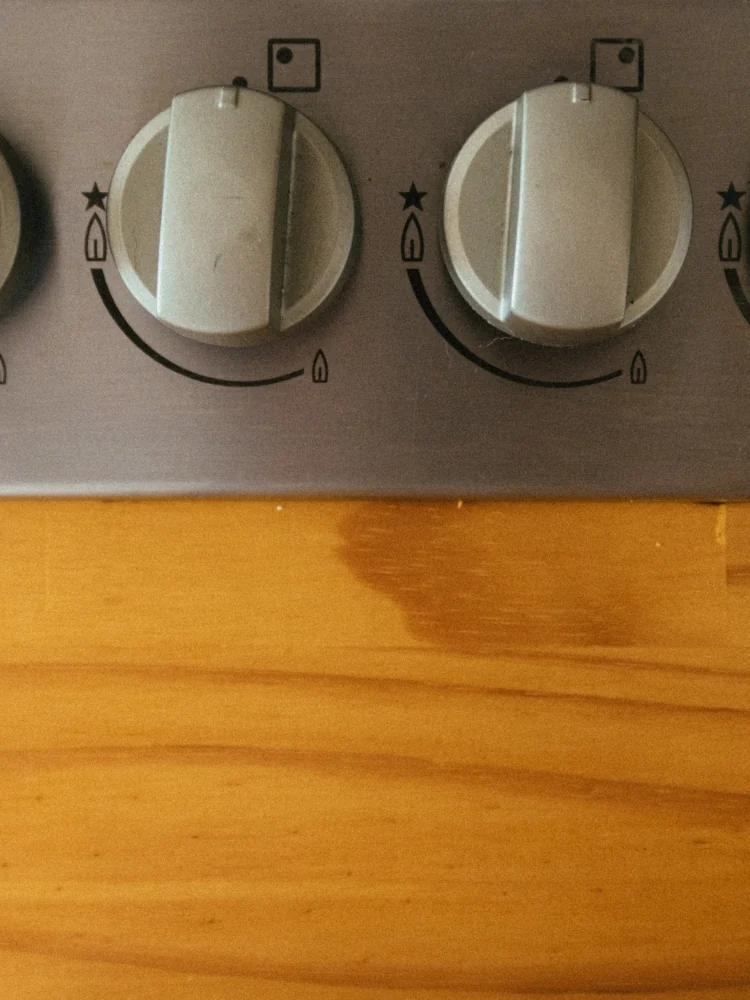
- Knobs: on a gas range, turn the dials firmly to off. Take removable knobs off when you aren’t cooking; if they don’t come off easily, use child-resistant stove knob covers. Block access to the stove as much as you can.
- Hot drinks and pots: know where your toddler is before you walk with anything hot, and don’t try to carry your child at the same time.
- Appliances: oven door closed, appliances unplugged when not in use, and no cords dangling where your child can tug them and pull something heavy down.
Anything beyond that, like how your particular range is installed, is a question for its manual.
Babyproofing bathroom: water, heat and the toilet lock
Supervision comes first in the bathroom: a young child is never left alone in the tub, even for a moment. After that, lock the toilet lid, latch the door up high, add no-slip strips and check how hot your tap water gets.
Sit on the bathroom floor and the toilet is right there, a bowl of water at exactly toddler height. Bath time is splashy, giggly and slippery, and it’s also where a few seconds matter most.
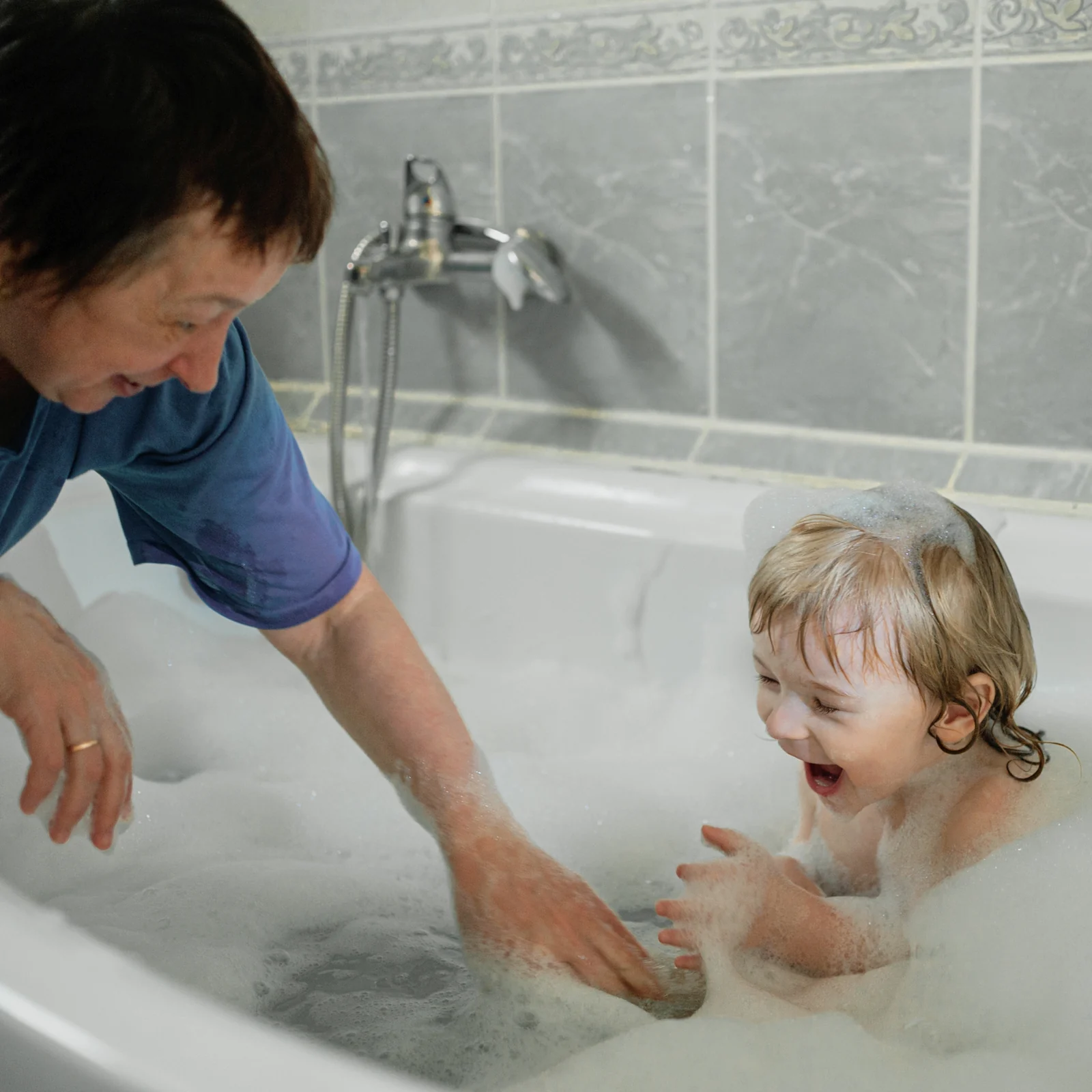
The AAP’s bathroom-safety page (last updated 2017) says children can drown in only a few inches of water. It also points out that bath seats and rings are bathing aids, and they won’t prevent drowning if a child is left unattended. That’s the same toddler-age group the CDC’s drowning numbers are about.
 Save
A few inches of water is enough for a child to drown. Never leave a young child alone in the bath, even for a moment, and don’t count on a bath seat or ring to keep them safe if you step away.
With that rule in place, the rest of the bathroom is a short list.
Your bathroom checklist:
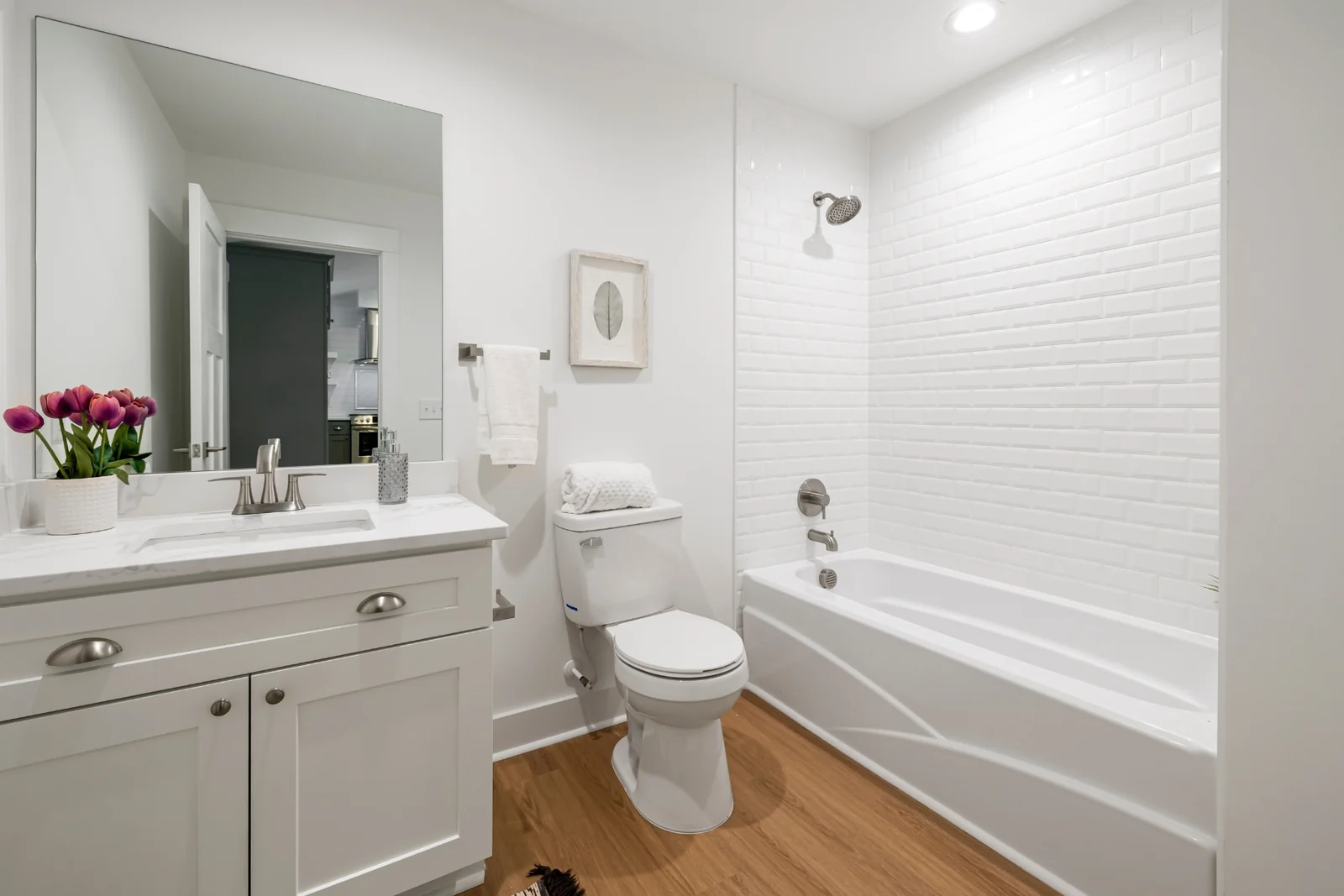
- Toilet: get in the habit of closing the lid, and add a toilet lid lock.
- The door: consider a latch at adult height, so your child can’t get into the bathroom when you aren’t around. Make sure any lock on the door can be opened from the outside, in case your child locks themselves in.
- The tub: stick no-slip strips on the bottom.
- Medicines: in containers with safety caps, stored high in a locked cabinet.
- Water temperature: set your water heater so the hottest water at the faucet is no more than 120°F (48.9°C), and test bath water with your wrist or elbow before your child gets in. It should feel warm, not hot.
 Save
One small habit some parents add on top of all this: keeping the bathroom door closed. Treat it as an extra layer, and keep the toilet lock and the door latch too.
Miri’s Tip
Kitchen and bathroom are the two rooms worth checking twice: once now, and again every time your toddler learns a new trick, like dragging a stool to the sink or working out how a latch opens. The hard part is remembering to do that second round.
Medicine, alcohol and plants, wherever they live
Medicine safety means every pill, vitamin and gummy sits up, away and out of sight, in every room and every bag, because children may be able to open safety caps. Alcohol, vaping liquid, cannabis edibles and some houseplants belong on the same list.
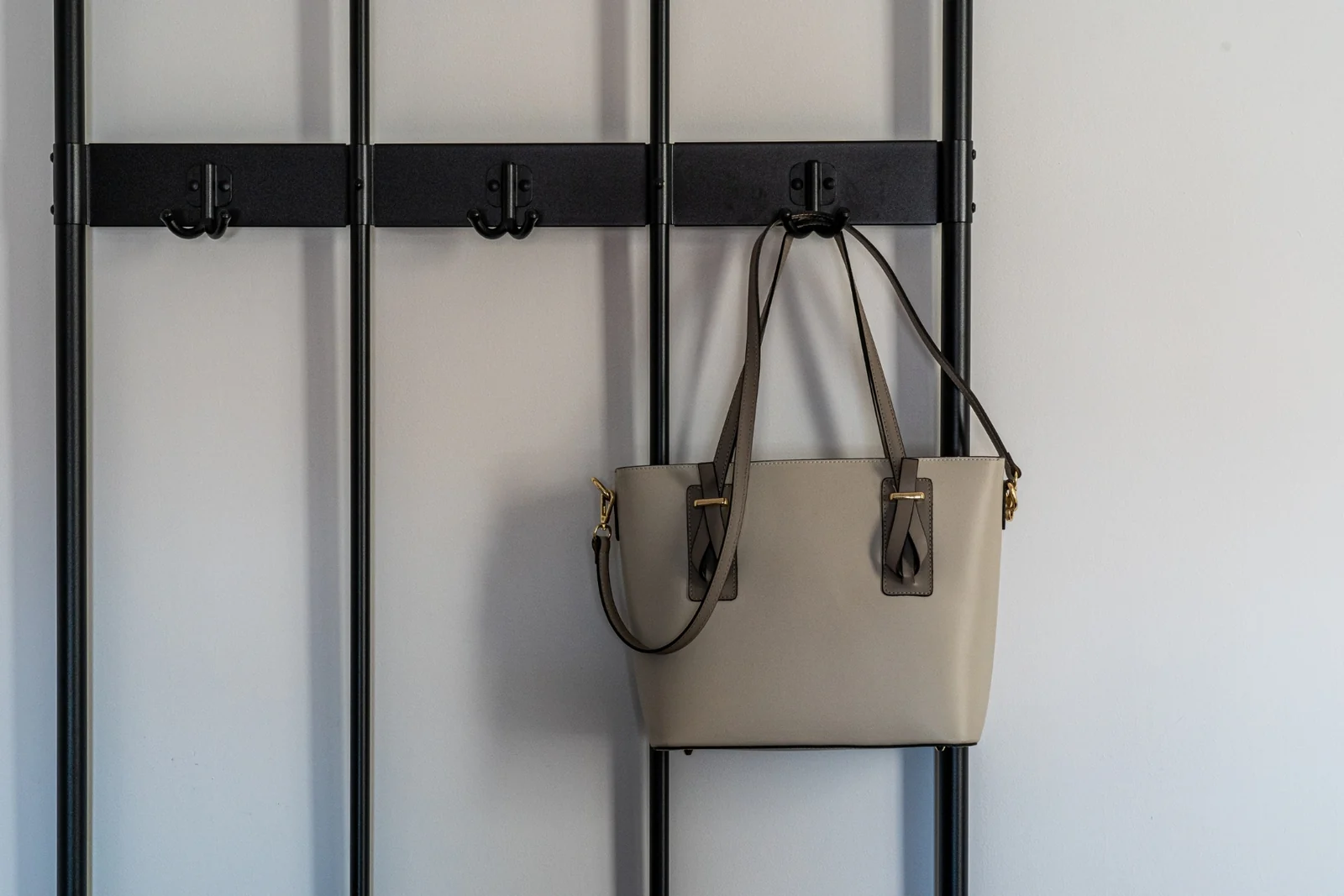
Medicines rarely stay in the medicine cabinet. They ride around in your purse, sit on the nightstand the night your toddler runs a fever, and come through the front door in a visiting grandparent’s coat pocket. The CDC notes that many medicines and supplements, gummies included, look like candy, which makes them hard for a little one to tell apart.
 Save
Medicines and vitamins:
- Up and away: somewhere too high for your child to reach or see, as the CDC’s Up and Away campaign puts it. The AAP says not to depend on child safety caps.
- Between doses: never on the kitchen counter or at a sick child’s bedside, even if the next dose is a few hours away.
- The cap: relock it every time. Twist a turning cap until it won’t twist anymore or you hear the click.
- Bags and coats: your purse counts. Ask babysitters, houseguests and visitors to keep bags and coats with medicine in them up and out of sight.
Alcohol, plants and your phone:
- Alcohol: in a locked cabinet, and empty unfinished drinks right away, because alcohol can be very toxic to a young child. Liquid nicotine for vaping and edible marijuana products stay out of reach too.
- Houseplants: some are harmful. Your regional Poison Help line or the National Capital Poison Center’s plant list can tell you which ones to avoid, and the AAP suggests skipping houseplants for a while or keeping them out of reach.
- Your phone: save the Poison Help number, 1-800-222-1222, and share it with anyone who watches your child.
If you think your child got into a medicine or supplement, call Poison Help at 1-800-222-1222 right away, or use the webPOISONCONTROL online tool. Both are free and confidential.
If your child collapses, has a seizure, has trouble breathing or can’t be woken up, call 911 now.
That phone number is the one item on this whole list that takes thirty seconds. Do it before you scroll any further.
Living room: outlet covers, cords and corners
Go along the walls first: plug unused outlets, get cords out of reach and screen anything that gets hot. After that, anchor the TV and shelves and deal with the coffee table corners in your toddler’s running path.
The living room is where a toddler runs laps, and down at their height it’s full of things grown-ups stopped noticing years ago. The outlet behind the armchair. The charger cable. The corner of the coffee table, right at forehead level.
Along the walls:
- Outlets: a safety plug that isn’t a choking hazard in every unused outlet, so your child can’t push a finger or a toy into the holes. If your toddler won’t leave one outlet alone, the AAP suggests blocking it with furniture, and it says to install ground-fault circuit interrupters (GFCIs) where appropriate.
- Cords and computers: cords out of reach and sight, computers out of reach, so your child can’t pull one down or get tangled in the cords.
- Heat: screens around fireplaces, woodstoves, kerosene heaters and other heat sources so your child can’t get near them.
 Save
If you live somewhere with real winters, like we do in Colorado, the heat deserves a second look. The AAP warns that gas fireplaces with glass doors get extremely hot and can cause severe burns when touched. It also says to check electric baseboard heaters, radiators and even hot-air vents to see how hot they get, because those may need a screen too.
Then, before the weekend:
- Corners: the AAP singles out coffee tables as a particular hazard. If you can, move hard-edged furniture out of the main path while your child is learning to walk, or use cushioned corner and edge protectors.
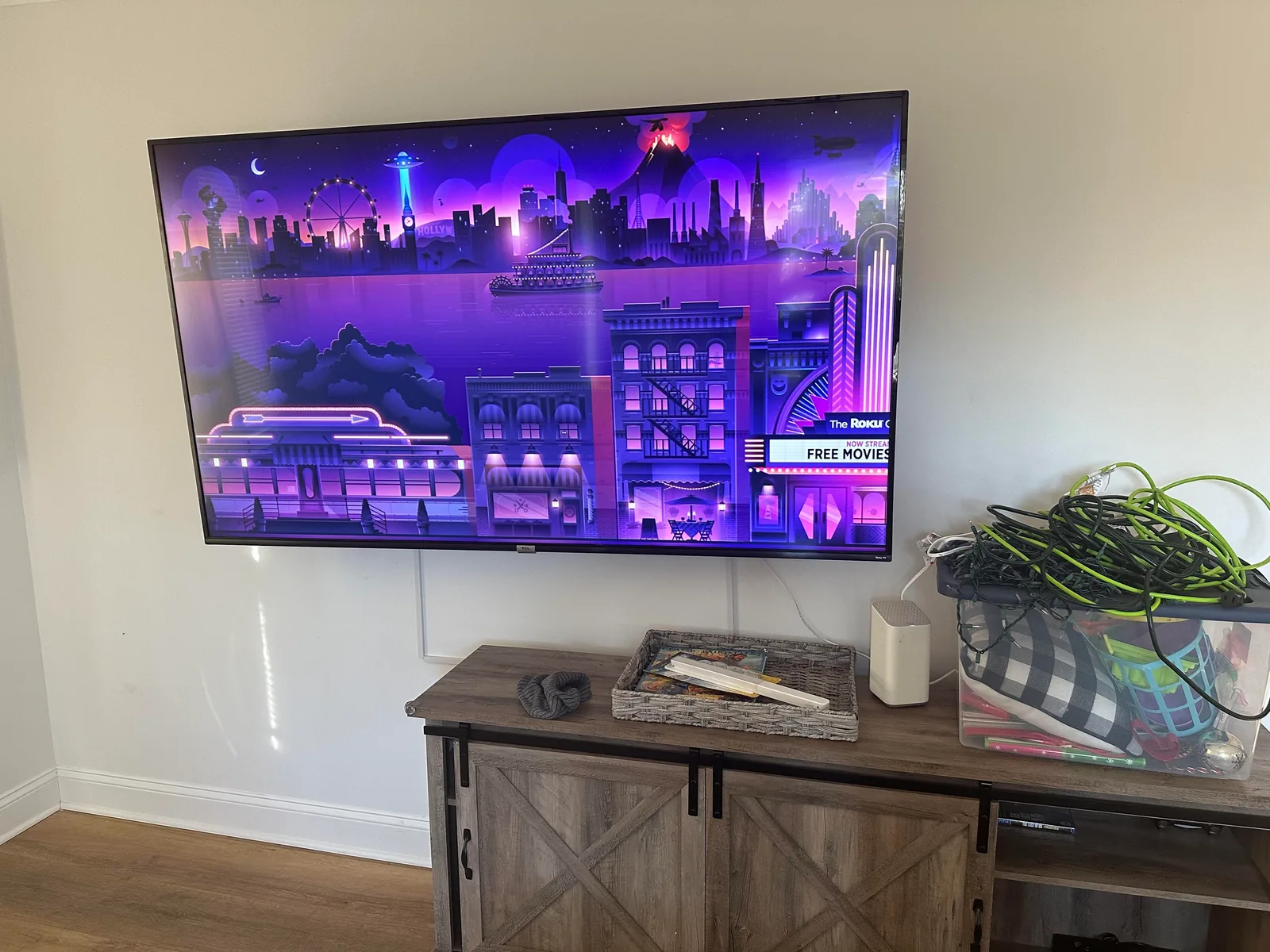
- TV and shelves: the CPSC says anchoring every piece of furniture with drawers, doors or shelves to the wall prevents tip-over injuries and deaths. The AAP’s tip-over page adds that even flat-screen TVs need to be anchored or mounted. The how-to, wall studs and all, is in anchoring furniture and TVs to the wall.
- High places: the same AAP page says to keep toys, electronics and remotes out of high places, since they can tempt kids to climb.
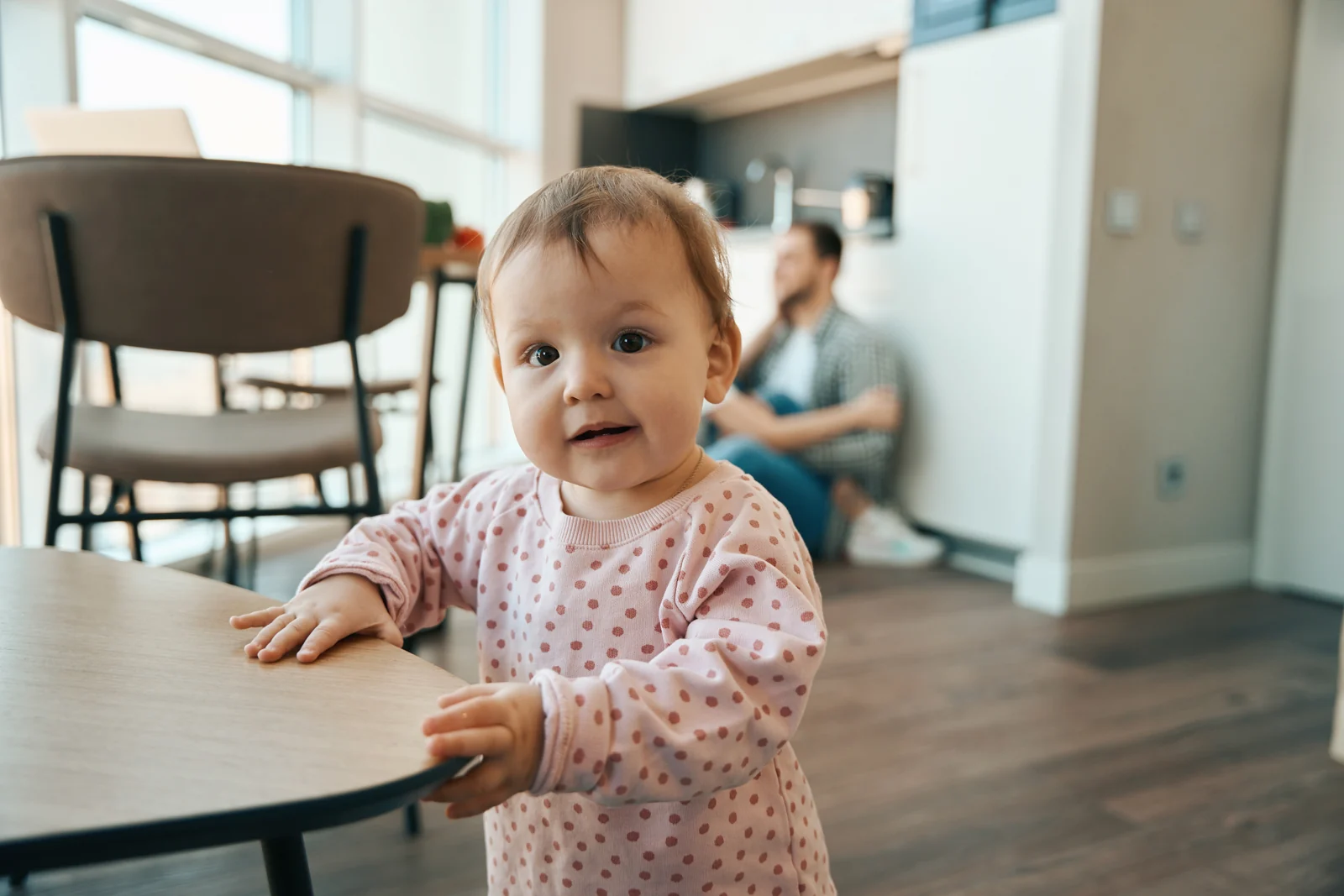 Save
Nursery and bedroom: dresser, floor bed and cords
In your toddler’s room, anchoring comes first: the dresser and any shelves get anchored into a wall stud, and no TV sits on top of the dresser. Blind cords and battery compartments come next.
The bedroom is the room your toddler is in when you’re not, at nap time and first thing in the morning, so the tip-over basics come first here. The AAP says to secure all furniture with anti-tip devices placed in a wall stud, and to consider metal anchors such as L brackets, since plastic can become brittle and break. It also warns that counterfeit anchors are sold on some sites, so stick to a brand you know. Heavier things go in the lowest drawers, and a TV never goes on top of a dresser, especially in a child’s room.
Two more quick checks. The AAP says to avoid window coverings with cords; if yours aren’t cordless, keep the cords taut on floor mounts or wrapped around wall brackets out of reach. And look at anything with a button battery. The CPSC says to keep remotes, electronics and other products with accessible button batteries away from children if the battery compartment doesn’t close with a screw. The National Capital Poison Center’s checklist names talking books and digital thermometers too, and suggests strong tape on any compartment your child can open.
If your toddler sleeps on a floor bed, they can reach every corner of that room whenever they’re awake, so give the whole room the same floor-level look.
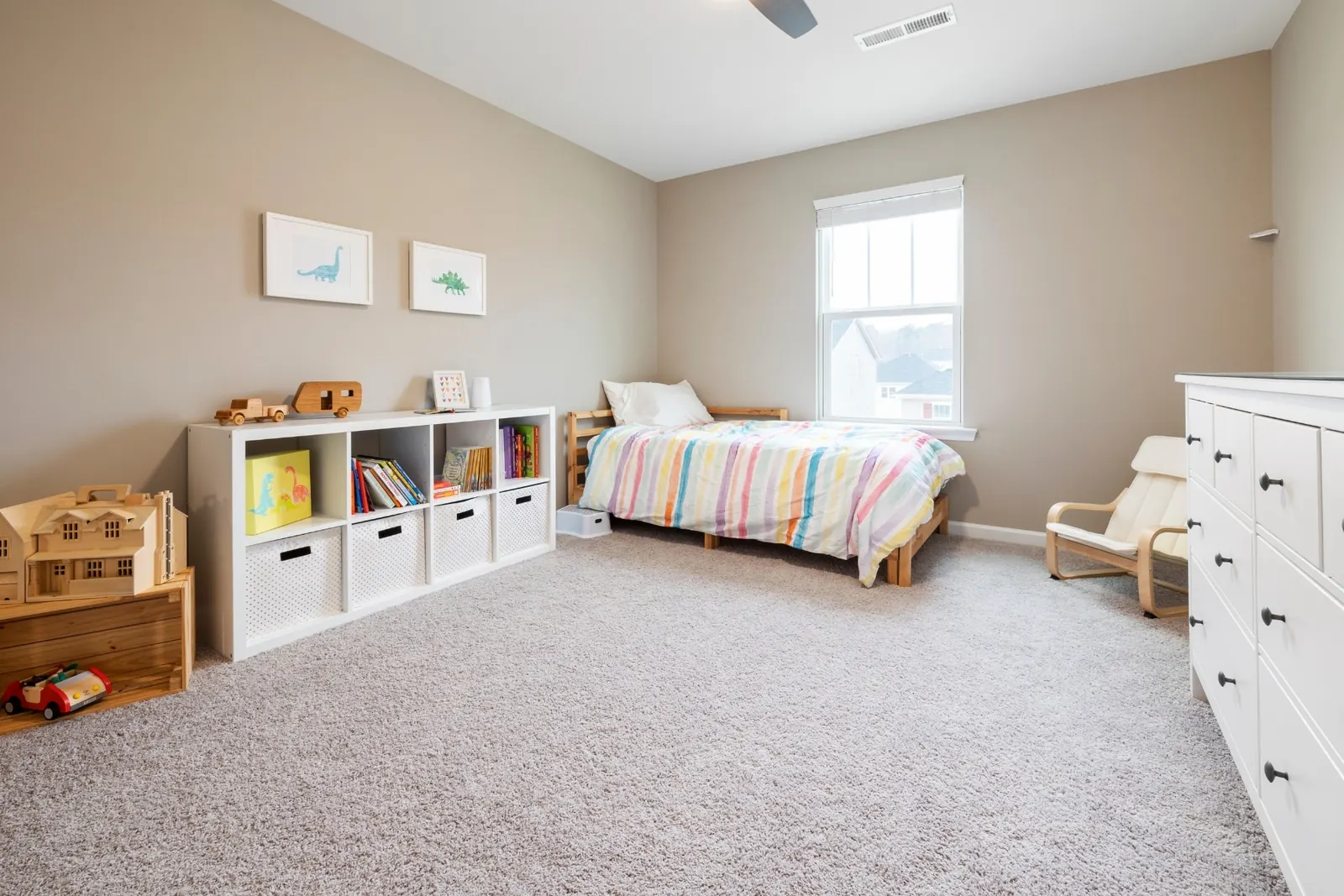 Save
Stairs, doors and windows
Gates go up at the top and bottom of the stairs while your child is learning to crawl and walk. Next come glass, swinging and folding doors, and then windows: open them from the top and keep anything climbable away from them.
Stairs are the obvious one. The AAP says to install safety gates at both the top and bottom of the stairs when your child is learning to crawl and walk, to avoid accordion-style gates, which can trap an arm or a neck, and to use gates firmly mounted to the home’s studs instead.
Doors are easier to forget. The AAP points out that glass doors are particularly dangerous because a child may run into them, so fasten them open if you can. Swinging doors can knock a small child down, and folding doors can pinch little fingers, so consider taking those off until your child is old enough to understand how they work. You’ll also see foam pinch guards in the baby aisle; the AAP’s page sticks to fastening doors open or taking them down.
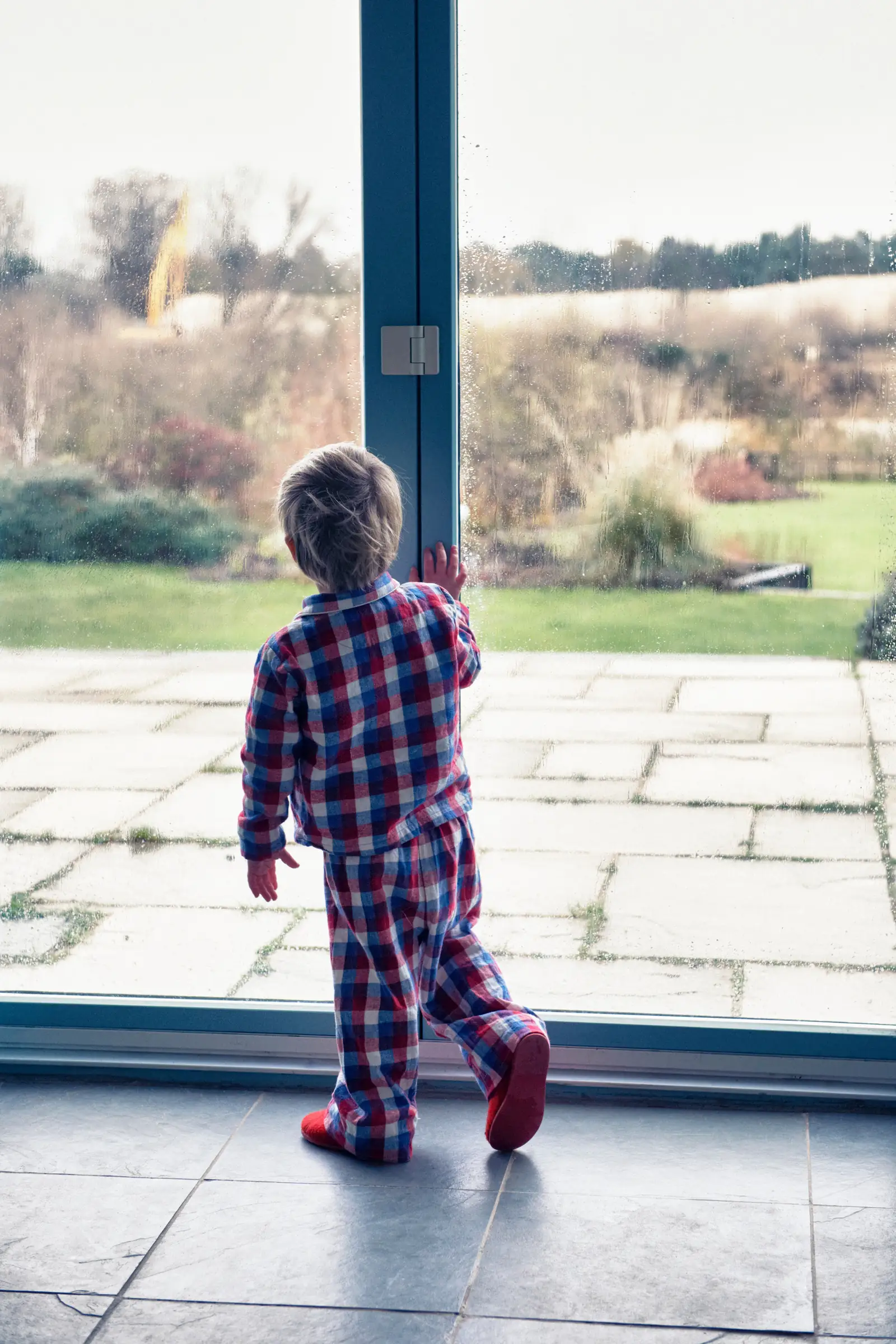 Save
A window screen is not strong enough to keep a child from falling. Open windows from the top when you can, and if you must open them from the bottom, install operable window guards that only an adult or older child can open from the inside.
Never put chairs, sofas, low tables or anything else a child might climb on in front of a window.
Blind cords and window guards each get a full walk-through in making blinds and windows safe for kids.
Guns and the rest of the house
The safest home for a child is one without a gun, the AAP says. If you have one, store it unloaded in a locked case, with the ammunition locked separately, then walk every other room your toddler can reach.
There’s no gentler way to put this one. The AAP calls that storage essential, and the same page notes that in many states, parents are held liable for accidental firearm injuries involving children.
Then think about the rooms that don’t feel like kid rooms. The laundry room, where the pods live. The home office, with its cords and a computer on the desk. The guest room, where a visitor’s bag sits open on the bed. Any babyproof checklist, this one included, is a starting point, and your house will have its own odd corners.
All of this is what lets a toddler explore without you hovering. If you’re working toward a space your child can use on their own, setting up a Montessori playroom picks up where safety leaves off. And when you’re facing a whole wall of latches at the store, the babyproofing essentials worth buying sorts out which ones earn their keep.
Most of this list takes an afternoon. Keeping up with it is harder, because your toddler will keep finding new things to reach.
Frequently Asked Questions
How do you babyproof your home, checklist style?
To babyproof your home with a checklist, go room by room at your toddler’s eye level. Start with the kitchen and bathroom, where medicines, cleaners and water are, then do the living room, bedroom, stairs and doors. Fix the “first” items in each room before buying anything else, and walk through again whenever your child learns a new skill.
What is babyproofing?
Babyproofing is making the parts of your home your child can reach safe for what they can do right now. In practice, that means locking up medicines and cleaners, plugging outlets, anchoring furniture and gating stairs, then adjusting as your toddler starts crawling, climbing and opening things.
When should you start babyproofing?
Start babyproofing by the time your baby starts to crawl. The AAP says to put up stair gates when your child is learning to crawl and walk, and most of the rest follows the same logic: when your child can reach something new, that’s when it needs a fix.
Conclusion
A list like this can feel endless once your toddler has discovered climbing, and nobody expects it all done by Sunday. Tonight, after bedtime, sit down on the kitchen floor right where your toddler sits and open the cabinet under the sink. Whatever you see from there is your first job. Then save the Poison Help number in your phone, and you’ve started in the room that matters most.
You know what your toddler went after this week better than any list does. Fix that one thing first, and give yourself credit for looking.
Miri
Fewer toys, deeper play.
Further Reading & Resources
See all 13 sources
- Home, kitchen and bathroom safety: Home Safety: Tips for Families With Young Children · Kitchen Safety · Bathroom Safety (last updated 2017) · Preventing Furniture and TV Tip-Overs (American Academy of Pediatrics, HealthyChildren.org)
- Medicines and drowning: Up and Away Campaign Resources · About the PROTECT Initiative · Facts About Drowning (Centers for Disease Control and Prevention)
- Poison help: webPOISONCONTROL and Poison Help and Safety tips for button batteries (National Capital Poison Center)
- Furniture, laundry packets and batteries: Anchor It! · Liquid Laundry Packets · Button Cell and Coin Batteries (U.S. Consumer Product Safety Commission)
- Real parents: What Baby Proofing Is Necessary? (The Bump forums)